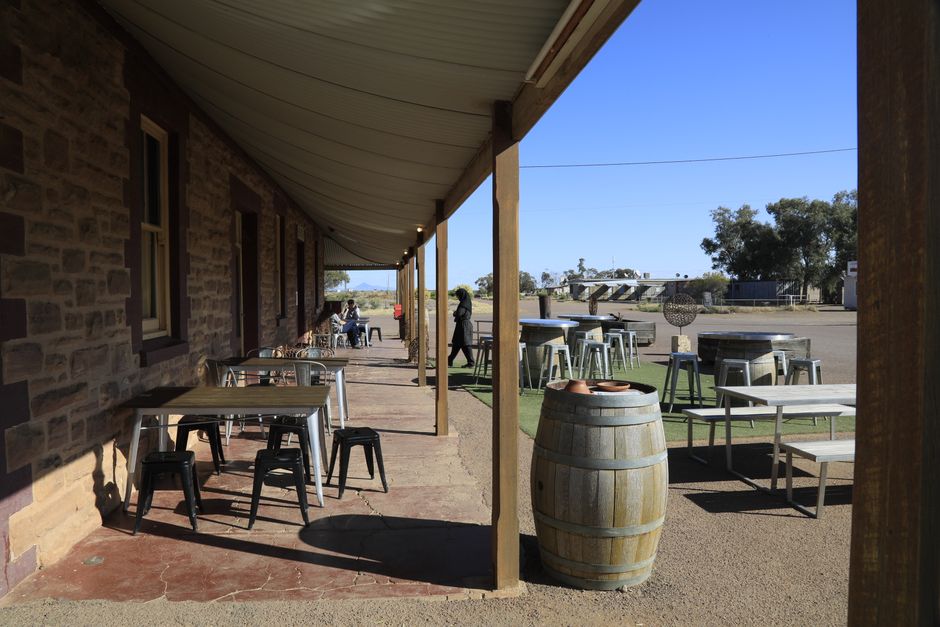
More than half of adults in Western Australia's Pilbara region are drinking at hazardous levels, according to new public health data — a stark figure that underscores how deeply alcohol remains embedded in the culture of rural and remote communities, even as attitudes slowly begin to change.
The data, compiled by the Epidemiology Directorate, shows 51 per cent of Pilbara adults consumed more than 10 standard drinks per week in 2024, compared with 49.2 per cent in the Kimberley region further north and 35.5 per cent across Western Australia as a whole. The Pilbara sits roughly 1,100 kilometres north of Perth.
Isolation, Stress and the Culture of Drinking in Rural WA
Researchers point to a combination of structural and psychological factors that drive higher rates of hazardous drinking in rural and remote areas. According to a professor at the National Drug Research Institute, risk factors include being male, having a lower socio-economic status, and experiencing psychological conditions such as depression.
"But there's also financial stressors, seasonal stressors that come with farming, work-life balance, physical health, and disconnection," the researcher said, adding that alcohol is commonly used as a coping strategy in these communities.
Compounding the problem are significant barriers to mental healthcare — physical remoteness, limited awareness of available treatment options, and a culture of stoicism, particularly among men, that discourages seeking help.
A Station Manager's Honest Account
Mark Bettini, manager of De Grey Station near Port Hedland — approximately 1,700 kilometres north of Perth — has witnessed the drinking culture firsthand. He was 21 when his family took over the property in 1996, and he does not shy away from acknowledging his own involvement.
"I think in the early days, alcohol was quite a big problem in our crew, and I won't pretend that I wasn't taking part in it," Mr Bettini said. He described how long working hours and peer influence created fertile ground for excessive consumption. "When you are working long hours and you come back and you're tired, sometimes a beer becomes a real attraction. I think when you're using alcohol to relax, it's very hard to get out of that habit."
Despite this, Mr Bettini says he has noticed a generational shift, with younger workers appearing to take a healthier approach to drinking than those who came before them.
Sexual Assault, Social Pressure and One Woman's Mission to Change the Culture
For farmer Shanna Whan, the consequences of rural drinking culture were severe and lasting. Ms Whan began her working life as a "baby jillaroo" and described the station environment she entered after boarding school as one where alcohol was central to all social interaction.
"I was not in a safe environment, and alcohol was very prevalent," she said. "By the end of my first year out of boarding school, I'd been sexually assaulted six different times … and alcohol was involved." She described the experience as "horrifying" but said her story was, tragically, far from unique.
Ms Whan said she came to believe the only way to make friends, conduct business, or belong in rural Australia was over a drink — a belief that deepened her own alcohol use. After two years of personal recovery, she founded the charity Sober in the Country, with the goal of normalising sobriety in rural and remote communities.
She says 12 years of advocacy have contributed to meaningful change — a sentiment echoed by Mr Bettini, who sees it reflected in the attitudes of his younger crew members.
Progress Real, But Data Tells a Cautionary Story
The lived experiences of those working to shift rural drinking culture suggest genuine progress is being made. Yet the figures paint a sobering picture. With risky drinking rates in the Pilbara well above the state average, public health advocates argue there is still significant ground to cover before rural WA communities can be considered out of the danger zone.
The intersection of mental health, physical isolation, and entrenched social norms continues to make this one of the more persistent public health challenges in regional Australia — one that statistical improvements alone will not resolve.