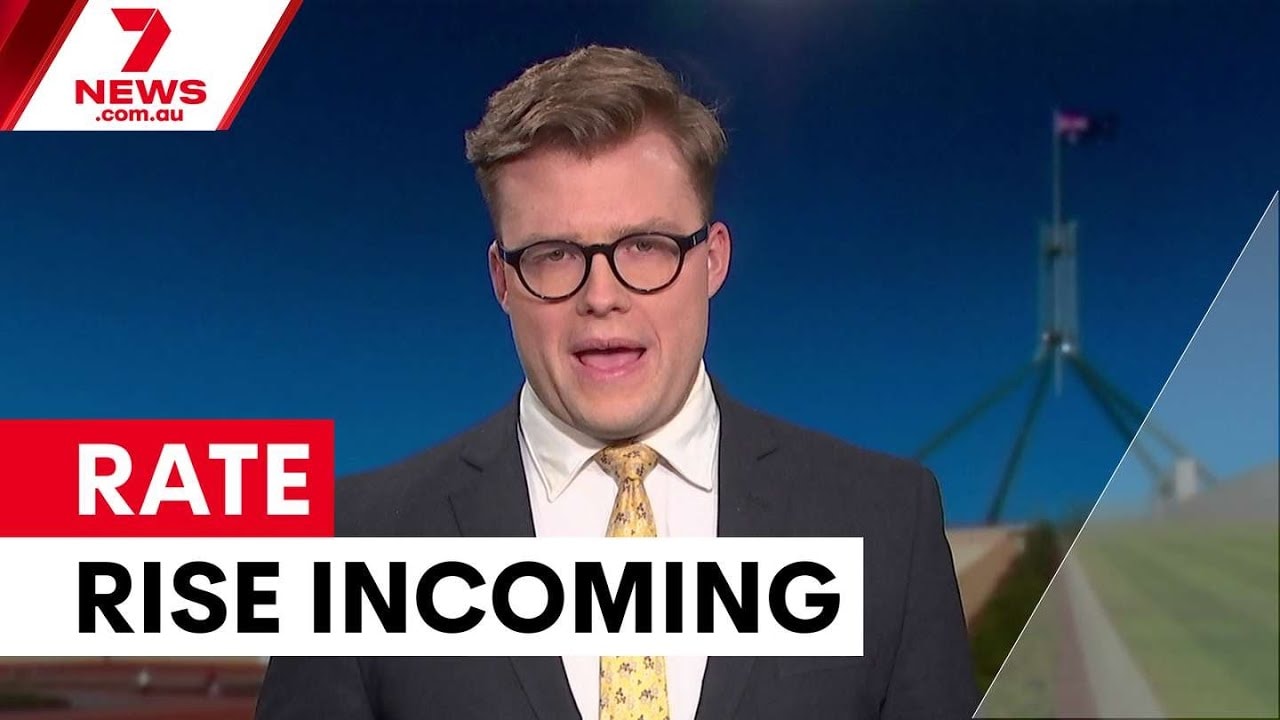
Mortgage holders are set to get a reprieve this week, with economists overwhelmingly forecasting the Reserve Bank of Australia (RBA) to hold the cash rate at 4.35 per cent when Governor Michele Bullock and the board convene for their two-day meeting on Monday and Tuesday.
The widely anticipated pause follows a surprise drop in headline inflation, which fell from 4 per cent to 3.8 per cent in June — the lowest level recorded since the beginning of the Iran war. While the decline is welcome news for households under financial pressure, inflation remains well above the RBA's target band of two to three per cent.
The RBA's preferred measure, trimmed mean inflation, held steady at 3.6 per cent — a figure that continues to sit uncomfortably above target but was marginally lower than some had feared.
Why Economists Say the RBA Will Stay Put
Senior economist at NAB, Taylor Nugent, said the data since the RBA's May meeting had not been strong enough to force the board's hand on further tightening.
"The RBA would need a push to deliver further tightening and the net of data flow since May has not given them that push," Nugent said. "Unemployment is a little above their forecast and underlying inflation marginally lower than feared."
Nugent added that NAB's view is that the next move by the RBA will be a cut, though he cautioned that inflation risks remain elevated. In particular, he flagged the removal of the federal government's fuel excise discount and rising oil prices linked to renewed Middle East volatility as factors the board would be watching closely for their potential impact on inflation.
HSBC chief economist Paul Bloxham echoed the expectation of a hold, saying the central bank was likely to take a wait-and-see approach at this stage.
"That being said, as inflation is still above target, we expect the central bank to continue to express concern that inflation is too high," Bloxham said.
Rate Cuts Not Expected Until 2027 — With Upside Risk Remaining
Despite the general consensus around a hold, economists are not anticipating a swift return to rate cuts. Bloxham indicated HSBC does not expect the RBA to begin cutting its cash rate until the second half of 2027, pointing to a gradual slowdown in growth as the key driver behind any eventual easing.
However, he also warned the door to further rate hikes has not been completely shut. If inflation fails to fall quickly enough, the RBA could still move to lift rates later in 2026.
"With trimmed mean inflation now having been above the mid-point of the RBA's target band for over four years, we see the board's tolerance for upside surprises or a slower-than-currently-projected return of inflation to target, as likely to be low," Bloxham said.
For context on how the bank has navigated similar decisions in the past, see our earlier coverage of when the Reserve Bank held the cash rate amid signs of cooling inflation.
What Else to Watch This Week
The RBA board meeting is not the only event commanding attention this week. On Tuesday, NAB's monthly business confidence survey is due for release, offering a fresh read on sentiment across the corporate sector.
Governor Bullock will also face a parliamentary inquiry on Friday, where the central bank's policies and decisions are expected to come under scrutiny from lawmakers.
Meanwhile, global market sentiment received a boost after the US economy unexpectedly shed jobs, dampening expectations that the Federal Reserve will raise interest rates. That development has contributed to gains on Wall Street, adding a degree of optimism to international financial markets as Australia's own rate decision looms.
With inflation still elevated but edging lower, and unemployment sitting slightly above RBA forecasts, the board appears poised to stay the course — at least for now.