Nick Cave's breathtaking return to Melbourne for his Wild God tour at Alexandra Gardens in 2026 — a spiritual homecoming for one of Australia's most iconic artists — came perilously close to never happening at all, with the show's promoter revealing he faced months of rejections before securing the riverside site.
As dusk settled over the city and bats swept above the glowing skyline of the Yarra River precinct, Cave performed before a surging crowd in what his tour promoter and producer Paul Sloan describes as a quintessentially Melbourne moment — one that almost wasn't.
A 'World of Resistance' for Ambitious Arts Events in Melbourne
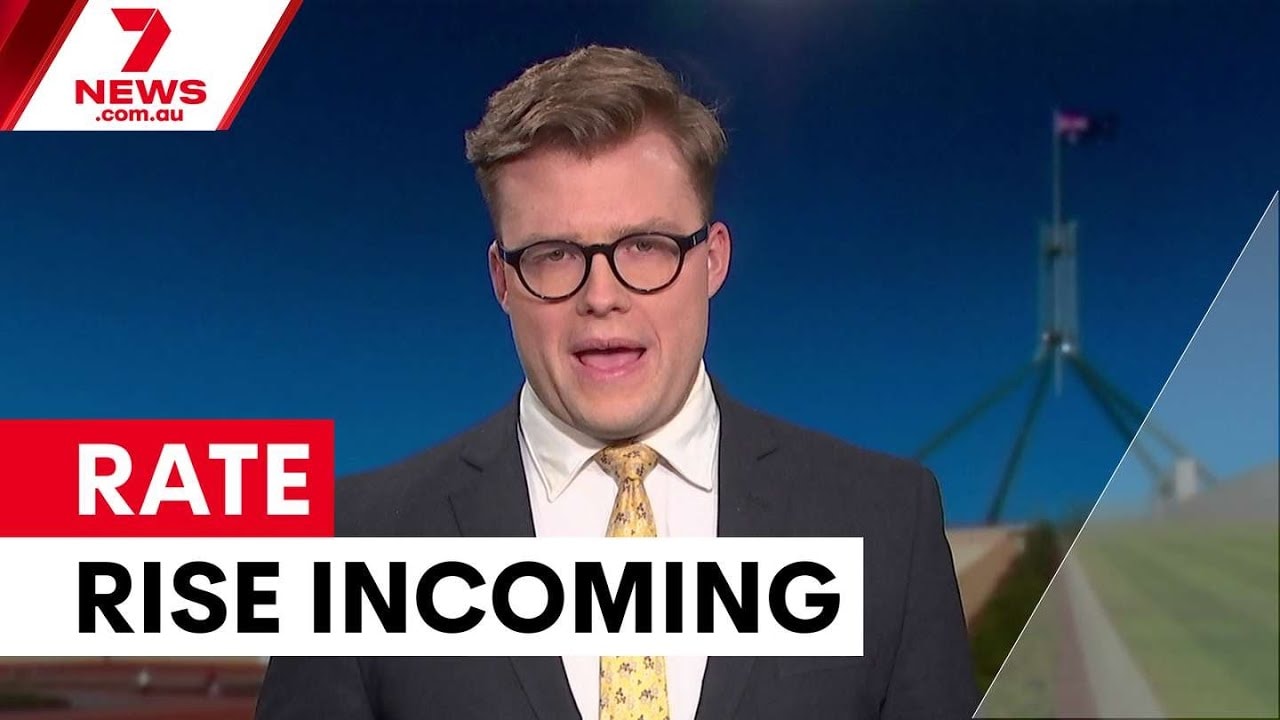
Sloan says Alexandra Gardens repeatedly turned down his requests for months before he was finally able to convince the venue to host the show. Counting off the rejections on his fingers, he described being turned away from sporting ovals guarded for their primary purpose and heritage venues bogged down in bureaucracy.
"I would have tried a dozen places before, because Alexandra Gardens said 'no' to me for months," Sloan said. "I ended up convincing them to let me do it."
He had set out to find a location that would feel genuinely connected to Cave and the city — rejecting more conventional options such as arena-style venues, racecourses or large-scale event grounds as unsuitable for Cave's audience and artistic identity.
"We can't put Nick out on the horse tracks," Sloan said. "His audience won't want to be there, and he won't want to be there."
But in pursuing something ambitious and creative in Melbourne, Sloan says, "you enter a world of resistance" — a frustration that the city's broader arts community is actively working to overcome.
Sloan also argued that government could have played a far smarter role. Had officials been proactive, he said, they could have secured lead announcement rights for the Melbourne show in exchange for approving the site — a move that would have driven interstate and international visitation and amplified the cultural narrative around the city.
"The narrative is stronger then because it means interstate travellers and international travellers are coming into the show because it feels more meaningful," he said.
Melbourne's Arts Funding Gap Leaves Artists Behind
The near-miss over the Cave show sits against a broader concern about whether Melbourne — which positions itself as Australia's arts capital — is truly supporting the ecosystem that sustains its cultural reputation.
Fiona Duncan, chief executive of Music Victoria, welcomed recent Victorian government announcements around live music support, including $2.5 million earmarked to help venues stage gigs and the designation of entertainment precincts in Collingwood, Fitzroy, Geelong and Ballarat. But she says the package contains a glaring omission.
"The question for all of us was, 'This is great — where are the artists?'" Duncan said. "It's great to support the venues. But if the artists who are meant to play in them can't afford to keep making the music and can't afford to perform, you're not covering and supporting the whole story."
Duncan returned from the Reeperbahn Festival Conference in Hamburg, where she observed international counterparts successfully using a ticket levy model to fund artist development. She is now advocating for a similar approach in Victoria — a proposed 1 per cent levy on major concert tickets at stadiums and arenas, which she estimates would pool into a trust of at least $4.4 million a year to help musicians build sustainable careers.
Without such a mechanism, she warns, Melbourne risks a mass exodus of artists who simply cannot afford to stay.
"We have the most arena ticket sales in the country, we have the most industry in this state, but we have the lowest per capita funding for industry out of all the other states," Duncan said.
For a city with global cultural ambitions, the challenge is clear: dismantling the world of resistance that confronted Paul Sloan, and ensuring the artists at the heart of Melbourne's identity have a genuine future here.