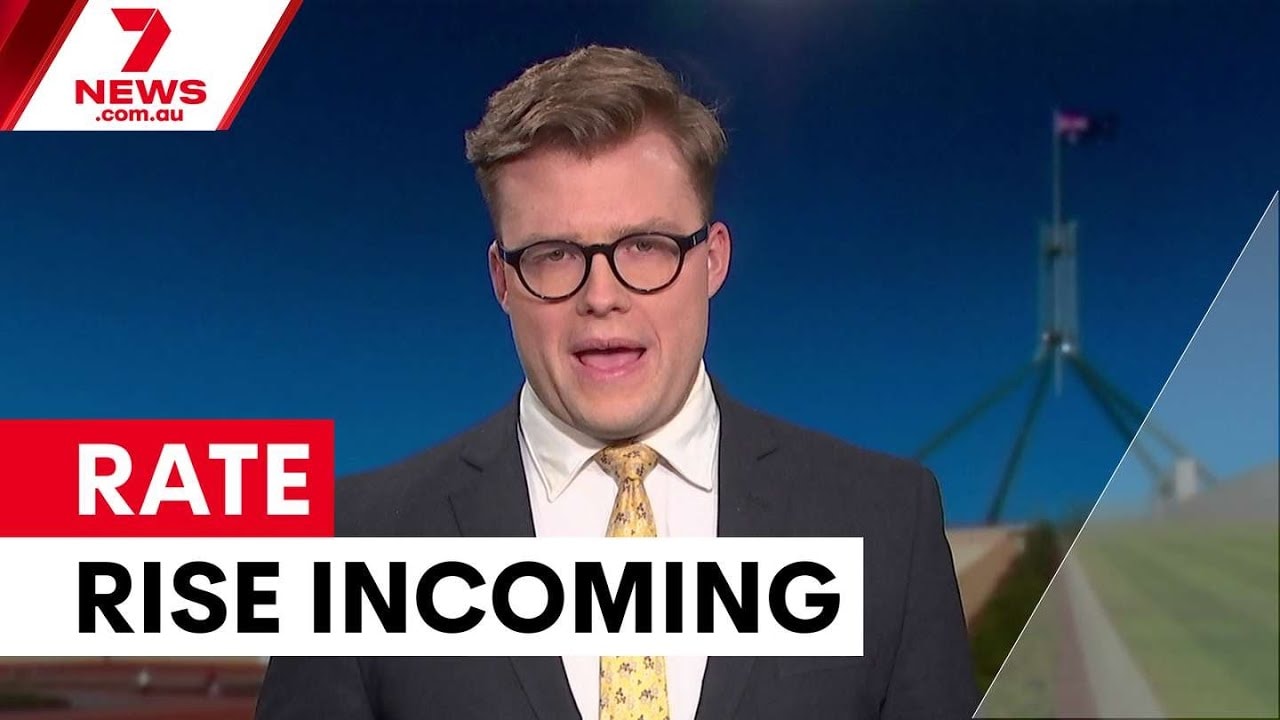
Australia's cash rate has risen to a 15-year high of 4.6 per cent, and economists are warning that this wave of rate hikes will land harder on households than the punishing cycle endured in 2023 — leaving Prime Minister Anthony Albanese with far fewer tools to soften the political blow.
The Reserve Bank of Australia's latest increase was widely anticipated, but the central bank is now signalling further hikes may still be ahead. That prospect is raising alarm among borrowers, analysts and political strategists alike, as the conditions that cushioned many Australians last time around have largely disappeared.
Why This Rate Cycle Hurts More Than the Last One
When rates climbed steeply in 2023, a significant share of Australian mortgage holders were still shielded by fixed-rate loans taken out during the pandemic era. At that point, roughly 40 per cent of mortgages were on fixed rates. That figure has now collapsed to around 5 per cent, meaning the vast majority of borrowers will feel the full force of each increase almost immediately.
The pandemic-era stimulus that helped households tread water through the last tightening cycle has also long since dried up. While household savings buffers remain in reasonable shape, the extra financial padding that once existed is gone.
Australia's current cash rate is the second highest in the advanced world outside Iceland — sitting well above rates in comparable economies such as New Zealand and Canada, where policymakers accepted higher unemployment in exchange for faster inflation control. The RBA instead pursued what independent economist Chris Richardson has described as an experimental approach: keeping rates from going too high in order to preserve as many jobs as possible under its dual mandate of price stability and full employment.
That strategy kept tens of thousands of Australians in work. But it also meant inflation ran hotter for longer. According to the RBA's own forecasts, trimmed-mean inflation will remain above the midpoint of the 2–3 per cent target band until mid-2028 — nearly seven years in total. You can read more about earlier expectations around the rate rise and budget relief measures as the pressure mounted.
Albanese's Spending Playbook Has Its Limits This Time
In his first term, Albanese successfully neutralised the cost-of-living threat from the then-Opposition with a series of high-profile spending commitments — an $8.5 billion Medicare expansion, a $16 billion reduction in student debt, and opening up 5 per cent home deposits to all first-home buyers. That approach helped him see off the challenge from former Coalition leader Peter Dutton.
But replicating that playbook against a resurgent One Nation under Pauline Hanson will be considerably harder. Government spending is already at record levels, and the tax take is among the highest on record outside the resources boom of the early 2000s. Richardson says the government should unequivocally be running a surplus — though he acknowledges the political difficulty of that position, pointing to the backlash suffered internationally by leaders who have pursued fiscal restraint, including the Premiership of Keir Starmer after cuts to a winter fuel subsidy.
High and persistent prices are politically toxic, particularly for working and middle-class voters who feel economic settings are no longer working in their favour — fertile ground for populist movements on the right.
Government and Economists at Odds Over Inflation Blame
Tensions between the government and independent economists have surfaced publicly. UNSW Professor Richard Holden drew a sharp response from Albanese after suggesting the government was deflecting blame for inflation toward geopolitical conflict. The Prime Minister described Holden as a known government critic. Holden pushed back, noting he had praised several Labor policies — including changes to negative gearing — but remained firmly opposed to what he called the "frittering away of a $400 billion fiscal windfall."
The RBA governor confirmed on Tuesday that inflation was already elevated before the conflict in the Middle East, and that the war had subsequently pushed petrol and fertiliser prices higher still.
What Comes Next — and the Political Stakes
Albanese's best-case scenario is to hold on until as close to May 2028 as possible, hoping that rates ease modestly by then and that One Nation's momentum fades. But if the RBA delivers two further rate increases after this week's move, the government faces a summer of mounting political pain — and a rare window of opportunity for its opponents.
Whether this moment is remembered as a routine midterm slump or the beginning of something more serious will depend largely on what the RBA does next.