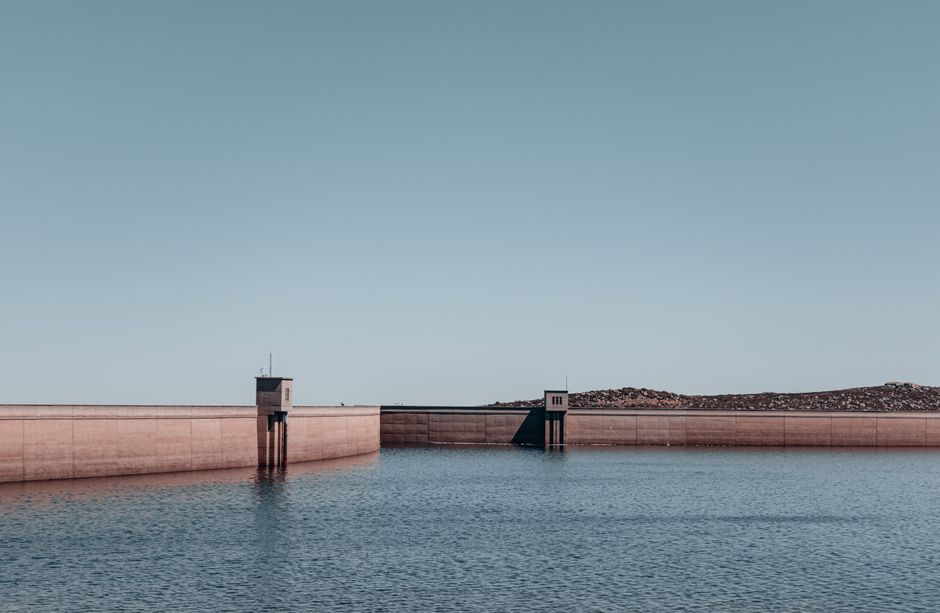
The Queensland Government has committed $60 million to rebuild the wall of Paradise Dam in its current location on the Burnett River near Bundaberg, overriding years of conflicting advice from dam operator Sunwater — including a declaration that the structure could not be repaired.
Premier David Crisafulli made the announcement in Bundaberg, confirming the funding had been allocated in this year's state budget, with the money earmarked predominantly for geotechnical works. The commitment marks a significant turning point for a project that has been mired in controversy, cost blowouts, and contradictory expert recommendations since safety concerns first emerged in 2019.
A Dam Plagued by Problems
Paradise Dam's troubles began in earnest when structural concerns were raised about the ageing wall in 2019. The following year, the wall's height was reduced by 5.8 metres as a safety measure, and the state and federal governments jointly committed $1.2 billion to a full rebuild. That announcement, however, was made before the full scope of the engineering challenges was understood.
By 2024, Sunwater had reversed course entirely, declaring there were too many problems with the existing structure to make repairs viable. The operator instead recommended constructing a new wall downstream at an estimated cost of at least $4.4 billion — more than three times the original commitment.
Then, in a further twist, a leaked letter from Sunwater chairman Jeff Seeney to the government recommended that even the new downstream wall plan be scrapped. Seeney described the previous government's announcement to rebuild Paradise Dam as a "pre-emptive" decision unsupported by essential technical and financial analysis, saying it "lacks any rigour or professional credibility" and that the project was "grossly disproportionate."
Premier Backs Rebuild Despite Conflicting Advice
Despite Sunwater's shifting positions, Premier Crisafulli said the government was firmly committed to rebuilding the dam wall where it stands — not replacing it with a smaller or downstream alternative. He said a Sunwater business case was still to be delivered, and would detail precisely how the rebuild would be carried out.
"This is going to be a rebuild and with that will come generational security for people to be able and have the confidence to invest in the region," Mr Crisafulli said. He described the project as a long-term solution rather than a "short-term patch-up job."
For those in the regional communities that depend on large-scale infrastructure investment, the announcement carries significant economic weight.
Water Security at Stake for a $10 Billion Economy
Local irrigators and agricultural stakeholders welcomed the news, though many are calling for greater clarity and urgency. The Bundaberg Regional Irrigators group spokesperson Dale Hollis noted the enormous economic stakes for the region.
"Our economy is around about $10 billion a year, and about $2.5 billion of that comes from intensive irrigated agriculture and add-on businesses," Mr Hollis said, adding that irrigators were pleased the government had stood by the rebuild commitment.
Sugarcane grower and irrigator Judy Plath said the announcement was reassuring but called for detailed documentation specifying what the rebuild would actually involve. She urged the Premier to bring the same pace to the dam project that has been applied to other major state infrastructure programs.
"This region will be waiting eagerly for some kind of document to specify what a rebuild means," Ms Plath said, warning that any prolonged review period risked placing the district under further strain.
What Comes Next
The $60 million committed in the current budget is understood to cover the initial geotechnical works required before construction planning can begin in earnest. The Sunwater business case — which will outline the full methodology for rebuilding the wall — has not yet been delivered to the government, meaning key technical details remain outstanding.
For the Wide Bay Burnett region, where water security underpins billions of dollars in agricultural output, the pace at which those details emerge will be closely watched.