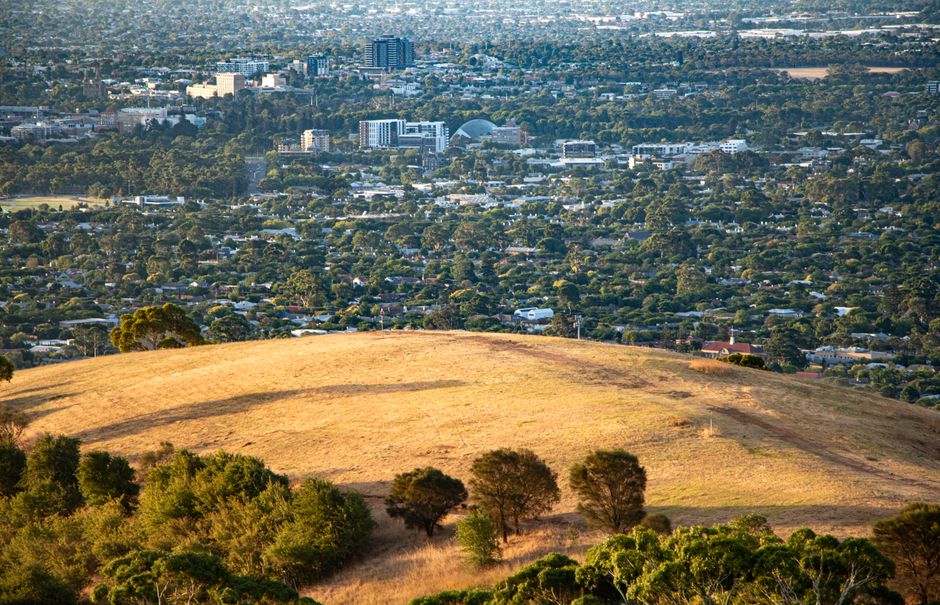
A planned community information session on a proposed multibillion-dollar data centre in South Australia's Adelaide Hills has been cancelled after developer Quantum DC received what it described as a "credible" bomb threat, deepening a controversy that has already sparked public rallies and crossbench political opposition.
The company had scheduled a drop-in session at the Tungkillo Soldiers Memorial Hall on Thursday to discuss its plans for a 1,200-megawatt hyperscale data centre on Collins Road in Tungkillo, roughly 41 kilometres east of the Adelaide CBD. The threat was reported to SA Police, and Quantum DC said it had no option but to call the event off.
"We are extremely disappointed that we were forced to postpone this afternoon's community drop-in session after a credible bomb threat was received," chief executive Alby Tomassi said. "Public safety must always take priority, and we had no choice but to make this decision."
A Project Drawing Fierce Local Opposition
The proposed Tungkillo facility would sit on a 220-hectare site, placing it among the largest data centre developments anywhere on the planet. Plans include data centre buildings, electricity substations and gas-fired generators to provide backup power. Construction alone is projected to require between 150 million and 250 million litres of water, with ongoing annual demand of around 20 million litres once the facility is operational.
Quantum DC says roughly 80 per cent of the project's electricity needs would be met by two on-site substations connecting to existing power lines, with supply drawn from solar and wind energy contracts. Mr Tomassi has stated the facility would not draw water from the River Murray or from existing groundwater reserves, relying instead on captured and recirculated rainwater.
Despite those assurances, many local residents and farmers remain deeply concerned. Several say they only discovered the project existed after it was reported in a local newspaper, and they are now demanding the development face the highest possible level of public scrutiny rather than an expedited planning process.
Quantum DC is seeking assessment through South Australia's Essential Infrastructure pathway, which carries a 15-day public consultation period. Locals argue a project of this scale demands something far more thorough.
"Not a fast-track, no special favours, no shortcuts," farmer Matt Loder said. "It's really, really important to think about the real local values of this community and of this landscape before we make a decision which could destroy it forever."
Resident Magdalene Teghe warned the consequences for local ecosystems could be severe. "The impact on local farmers and livestock, including pollinators and sheep as well as the cows, could be detrimental," she said. Farmer Maurice Collins echoed those concerns, fearing the area's natural soundscape would be lost entirely. "The birds, it's just amazing, the song of the birds. That's all going to disappear," he said.
One farmer captured the irreversibility residents fear most: "You can't cut down a 500-year-old tree and say we're going to put in some tube stock to replace it."
Community Rallies Fill the Void Left by Cancelled Sessions
With Quantum DC's two scheduled consultation sessions both postponed amid safety concerns, residents organised their own gatherings. A local meeting took place in Tungkillo on Thursday, followed by a public rally in the nearby town of Mannum on Saturday, which drew support from the Liberal Party, the Greens and One Nation.
Local organiser Magdalene Lippett said Quantum DC had been invited to attend the Mannum event but declined. She stressed that the community was not opposed to development in principle, pointing to the Tungkillo Battery Energy Storage System under construction at a nearby substation as an example of the kind of project locals could accept.
"There just has to be a point where we slow down a little bit and start to question what trade-offs we're giving up to have this AI data centre there," Ms Lippett said. "We're not going away."
Residents have launched a petition and begun coordinating formal opposition ahead of any consultation process. No development application has yet been lodged with state planning authorities.
Government and Company Responses
South Australian Planning Minister Nick Champion confirmed that any formal application would need to pass through a "rigorous planning system" covering power and water requirements, and that assessment could be handled by the State Commission Assessment Panel or by the minister directly. Government members did not attend Saturday's Mannum rally.
Quantum DC said environmental and heritage assessments are already underway and that significant portions of the property would remain available for grazing. Mr Tomassi reiterated that the company intends to conduct community consultation before lodging anything with the government, with rescheduled sessions now planned for 20 and 21 November.
"We respect the community's views, and that is why our engagement is taking place before anything is lodged, so that we hear and consider those views first," he said.
The controversy sits within a broader national conversation about growing Australian community concern over data centre development and its environmental trade-offs. It also comes as Australia's data centre boom faces increasing financial and regulatory scrutiny from investors and planners alike.
The project's first stage is not expected to begin until 2028, but the fight over whether it proceeds at all is already well underway.

