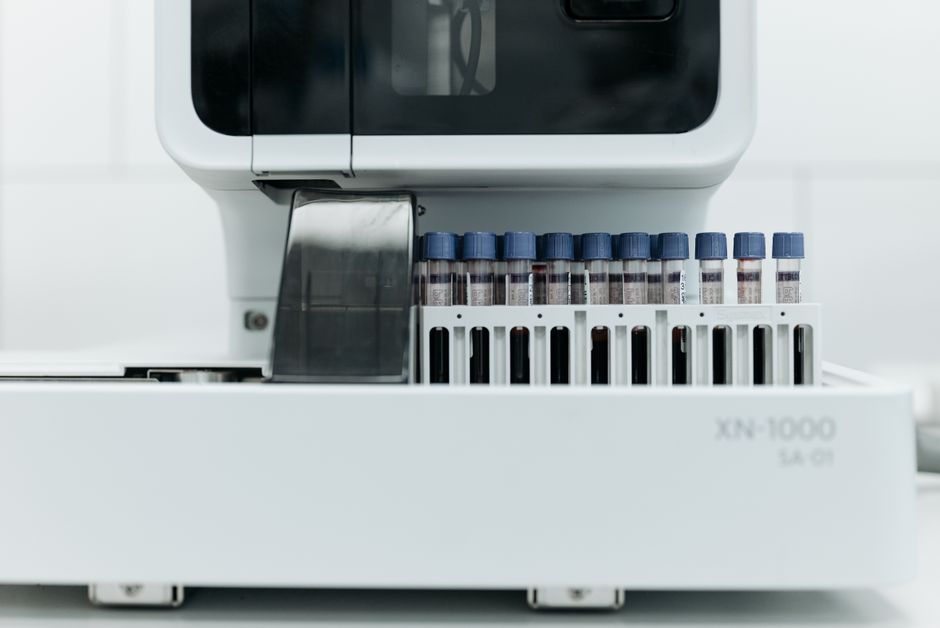
Perth-based biotech Proteomics International Laboratories has secured a United States patent for its PromarkerEndo blood test, marking a significant commercial milestone as the company pushes to establish itself in the world's largest healthcare market. The United States Patent and Trademark Office granted the patent — titled Endometriosis Biomarkers — covering methods of diagnosing the condition through specific protein biomarkers in blood samples, with intellectual property protection running until March 2041.
Why the PromarkerEndo patent matters for endometriosis diagnosis
Endometriosis is a debilitating condition affecting one in nine women, yet it currently takes an average of seven years to diagnose — a delay often compounded by the fact that confirmation typically requires invasive surgery. A simple blood test that can screen for the disease earlier has the potential to dramatically shorten that diagnostic journey for millions of patients.
Proteomics estimates its addressable US market at 360,000 annual tests, making the patent's commercial significance hard to overstate. Beyond market access, the IP protection is expected to strengthen the company's position in future partnership and licensing negotiations, while also smoothing the path toward regulatory reimbursement — the process by which governments and health insurers set a standard payment rate for a test.
Managing director and chief executive officer David Morris described the grant as "a major achievement and an important validation of the novelty and commercial potential of PromarkerEndo."
A broader strategic shift from research to commercial traction
The patent win is one piece of a larger transformation underway at Proteomics. Under Morris, the company has drawn a clear line under its research phase and is now executing a disciplined three-year commercialisation plan aimed at converting its proteomics science platform into a scalable diagnostics business.
Central to that plan is a capital-light distribution model — leaning on external partners rather than building costly in-house sales infrastructure. Management argues this approach enables earlier market adoption, reduces establishment risk, and delivers stronger capital efficiency for a company of its size.
PromarkerEndo sits within a portfolio of four diagnostic tests. Leading the broader commercial push is PromarkerD, a blood test designed to predict diabetes-related chronic kidney disease up to four years before symptoms emerge, with an estimated initial US market of 390,000 annual tests. Also in development is PromarkerEso, which aims to help rule out throat cancer in chronic reflux patients, potentially replacing invasive endoscopies. Rounding out the portfolio is OxiDx, an oxidative stress testing platform with potential applications across specialist medicine, elite sport, and even equine health.
Roadmap: Australian launch first, then the US
Proteomics has set out a staged timeline for bringing its tests to market. By the first half of fiscal 2027, the company plans to appoint an Australian distribution partner and begin controlled market releases for PromarkerEndo domestically. In the second half of that year, the focus shifts to establishing a US distribution network and lodging reimbursement submissions in both countries.
The reimbursement outcomes could prove to be the most consequential milestone of all. In Australia, a listing on the Medicare Benefits Schedule would materially broaden patient access. In the United States, the path tends to run payer by payer — slower to build, but potentially highly lucrative once momentum takes hold.
With a refreshed board, a chief executive with direct commercialisation experience, and a growing portfolio of patented diagnostics, Proteomics International is positioning itself as a serious contender in the global diagnostics space — and the newly granted US patent is a clear signal that its ambitions are advancing beyond the laboratory.