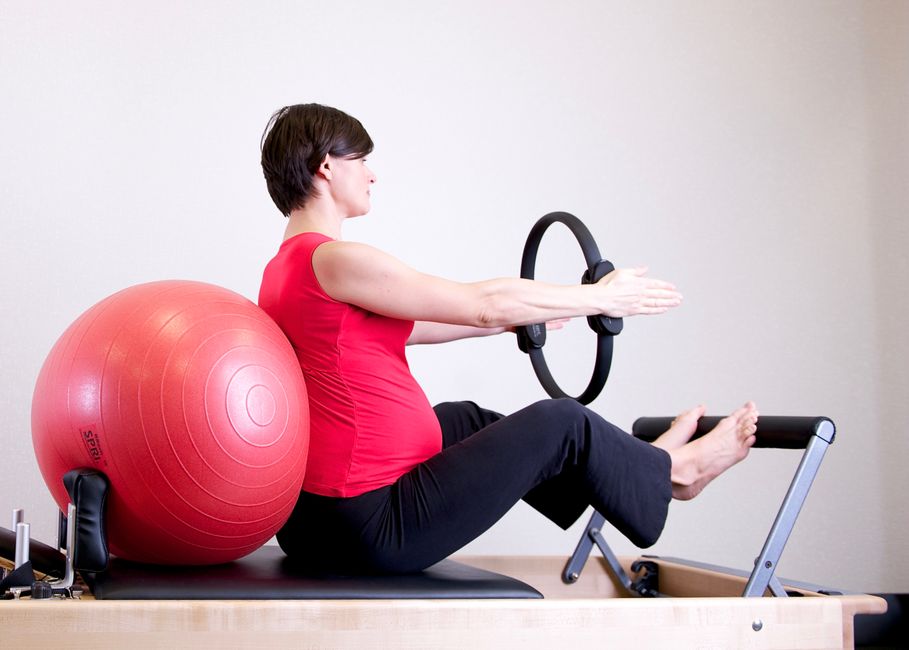
Pregnancy comes loaded with a seemingly endless set of rules — no coffee, no exercise, no hot baths, no flying — but a leading Australian obstetrician says many of these restrictions are far less black-and-white than expectant mothers are often led to believe. The president of the Royal Australian and New Zealand College of Obstetricians and Gynaecologists, Dr Nisha Khot, has weighed in on the most common pregnancy concerns, separating genuine risks from unnecessary worry.
Exercise During Pregnancy: Listen to Your Body, Not the Fear
One of the most persistent pregnancy myths is that exercise should stop the moment a positive test appears. According to Dr Khot, that is simply not the case for most women. What matters is what your body was already used to before pregnancy. Women who were running, lifting weights or doing high-intensity training before conceiving can, in many cases, continue doing so.
However, pregnancy is not the time to dramatically ramp up activity levels if you were previously inactive. Exercise, done appropriately, can deliver meaningful physical and mental health benefits for expectant mothers and may even improve pregnancy outcomes. The key guidance is straightforward: pay attention to how your body feels and ease off when fatigue sets in.
Coffee, Caffeine and the Pregnancy Myths Around Your Morning Cup
Good news for caffeine lovers — tea and coffee do not need to be cut entirely. Dr Khot advises women to think about their total daily caffeine intake rather than fixating on any single drink. That means accounting for coffee, tea, chocolate-based drinks and any other caffeinated products consumed throughout the day.
Around two to three cups of tea or coffee per day is generally considered acceptable, while highly caffeinated and carbonated drinks should be avoided. It is also worth noting that pregnancy can alter how the body processes caffeine — a quantity that was once perfectly tolerable may suddenly cause a racing heart or jitteriness. The advice is simply to notice how you feel and adjust from there.
Food Safety: The Risks Are Real, But There Are Workarounds
When it comes to food, Dr Khot acknowledges that many of the common warnings are well founded. The primary concern is infection — either a severe gastrointestinal illness affecting the mother, or an infection that could pass from mother to baby.
That said, there is some flexibility. Take packaged salads, for example: the contamination risk lies in pre-prepared, commercially packaged products rather than salad itself. Buying whole lettuce, washing it thoroughly and preparing it at home is considered a safe alternative. The principle applies more broadly — understanding why a food is flagged helps women make informed choices rather than avoiding entire food groups unnecessarily.
Hot Baths and Flying: Where the Real Concerns Lie
Pregnant women are often told to avoid baths altogether, but Dr Khot says the issue is not baths per se — it is overheating. Because body temperature is already slightly elevated during pregnancy, very hot water can push it higher, leading to dehydration, dizziness or faintness. A warm bath at home is perfectly safe; it simply should not be scalding hot.
Flying during an uncomplicated pregnancy is also generally considered safe, though there are genuine considerations to keep in mind. Pregnancy already raises the risk of blood clots, and long-haul flights can compound that risk. Later in pregnancy, the practical possibility of going into labour mid-flight is another factor — which is why airlines impose their own cut-off points for pregnant passengers. Dr Khot advises women to check the specific policies of their airline before booking. If you are planning travel during pregnancy, it is also worth reviewing what cruise passengers need to know if a sea voyage is on the itinerary, as similar considerations around medical access and travel timing apply.
The overarching message from Dr Khot is that pregnant women deserve accurate, nuanced information rather than blanket prohibitions. Many of the rules circulating around pregnancy are grounded in real risks — but understanding those risks means women can make genuinely informed decisions rather than spending nine months in unnecessary anxiety.