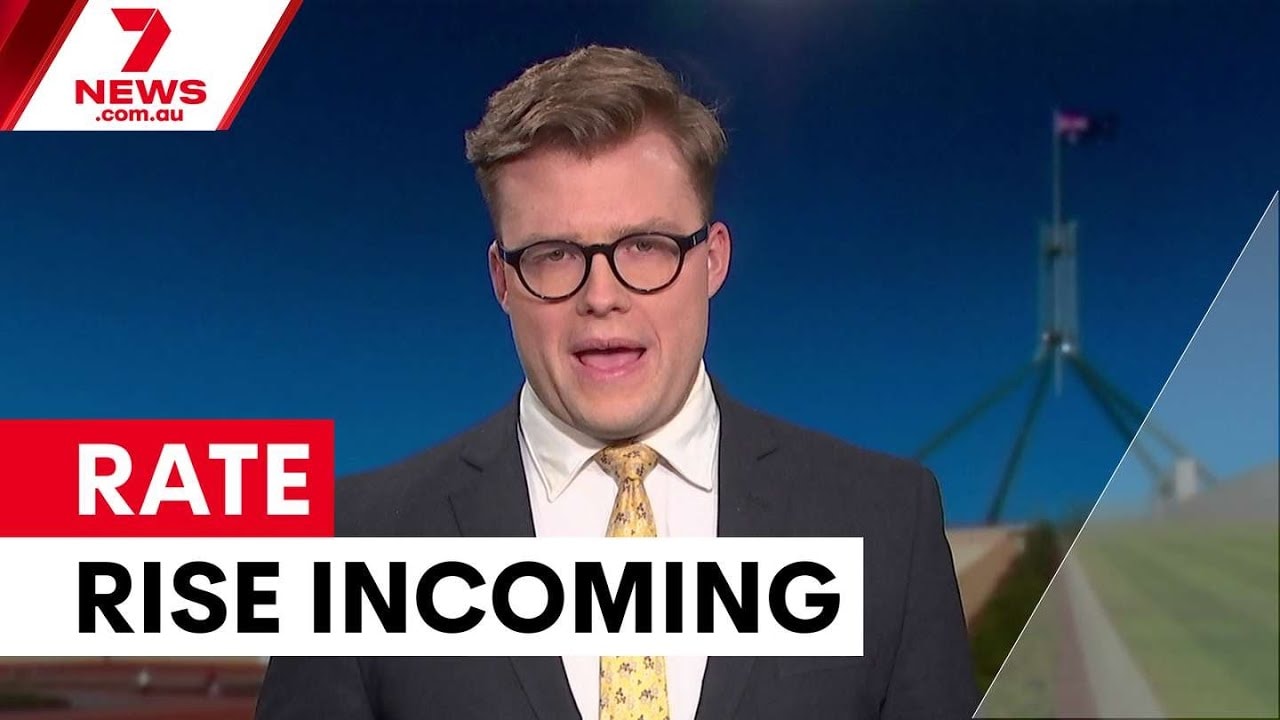
South Australian Police have directly contradicted a federal Liberal senator's claim that an elderly person died after being unable to reach emergency services during Wednesday's major Telstra triple-zero outage, as the telecommunications giant revealed the scope of its network failure was far greater than initially acknowledged.
Senator Kerrynne Liddle posted on Facebook on Wednesday stating her office had received "a report of a tragic death following an apparent failure to connect to triple-0 during a life-or-death emergency amid Telstra's nationwide outage today." She described the death as that of an elderly South Australian and called it "a devastating failure for their family."
South Australia Police swiftly pushed back, issuing a statement saying they were "not aware of any death in South Australia today as a result of the Telstra nationwide outage." Police also responded directly to Liddle's Facebook post to make their position clear. The senator's comments were separately labelled "irresponsible" by some, and questions remain about the source of the report her office received.
What Caused the Telstra Triple-Zero Outage
Telstra's chief financial officer Michael Ackland confirmed the disruption stemmed from a software defect affecting timekeeping across the company's network. The problem originated in servers housed at data centres in Sydney and Melbourne, where time synchronisation in network nodes failed to function correctly.
"Time synchronisation in those nodes wasn't working as it should. We don't know why," Ackland said. The outage began affecting customers from approximately 4:30am on Wednesday, with Telstra declaring its network issues fully resolved by 4pm that afternoon.
The cascading impact extended well beyond mobile calls — the entire regional Victorian train network ground to a halt, some regional and intercity NSW trains faced significant delays, and EFTPOS payment systems were disrupted across the country. Tens of thousands of customers are believed to have been affected, though online reports suggested the number could be considerably higher than Telstra's own estimates.
For background on major national incidents that have shaped Australia's infrastructure policy landscape, see this overview of 2024 in Australia.
The Scale of the Triple-Zero Crisis
Ackland admitted the volume of Australians unable to reach triple-zero was more significant than Telstra had previously understood, prompting a significant welfare check operation. By Wednesday afternoon, Telstra had completed 333 welfare checks on customers who had made an emergency call that either failed or dropped out after connecting.
Those checks were conducted via SMS, phone calls, and physical visits by police — regardless of whether the call had been successfully rerouted through another network. Around 79 people could not be contacted through initial check attempts, requiring police to attend their homes in person.
NSW Police were asked to carry out 13 in-person welfare checks, with four still outstanding at time of reporting, but no "adverse outcomes" had been identified. WA Police confirmed they also conducted at least one welfare check. A number of failed Telstra calls were successfully redirected through the Optus and TPG networks as a fallback measure.
Telstra also disclosed a secondary issue on Wednesday evening that continued to affect some calls to emergency services even after the primary outage was declared resolved. The company advised customers experiencing problems to wait up to 90 seconds for their device to connect to an alternative network, or to use a different phone to make the call.
This outage follows a pattern of emergency call failures that have shaken public confidence in Australia's telecommunications networks. Our earlier coverage details how the Telstra outage triggered the triple-zero crisis and welfare checks as the network failure unfolded, and how Telstra was hit by a second triple-zero fault hours after the major outage was declared fixed.
Government Response and Accountability
Communications Minister Anika Wells confirmed that some Telstra customers were unable to contact triple-zero, but sought to contextualise the incident. "This is not a triple-zero outage," she said. "This is a Telstra retail outage that has affected their customers right across the country." She also noted the disruption to small businesses through EFTPOS failures was "incredibly frustrating."
Emergency Management Minister Kristy McBain reminded the public that Australian phones are legally required to fall back to alternative networks for triple-zero access when their primary network is unavailable — a safeguard that, in some cases during Wednesday's outage, appeared to function only partially or with delay.
Ackland offered a frank acknowledgment of the company's failure. "We let customers down today in their hour of need. There's nothing that makes that untrue for many of those customers who are in traumatic situations, and we apologise for that deeply," he said, conceding the event would damage customer trust.
Investigations into the precise cause of the software defect were ongoing. "The fact that it occurred means that there is something in our process that we need to fix and to change," Ackland said. Meanwhile, one South Australian family reported that an elderly woman with dementia was left "frightened" after suffering a fall during the outage, highlighting the very real human consequences of the network failure — even as the senator's more serious claim of a fatality remained firmly disputed by police.