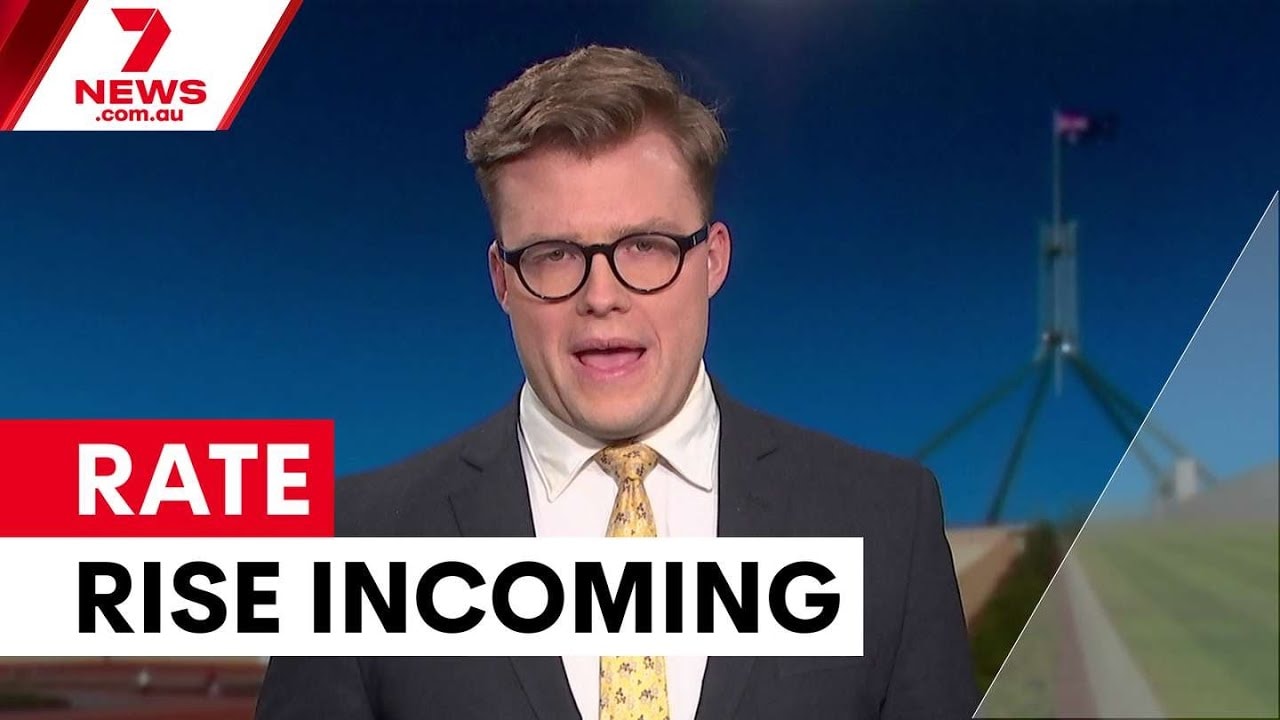
Prime Minister Anthony Albanese has been warned to keep politics out of Australians' retirement savings after describing the country's $4.5 trillion superannuation pool as a "national asset" that could be doing more for the broader economy. The comments, made at an annual superannuation lending roundtable on Tuesday, have drawn both support and sharp pushback from leaders across Australia's banking and superannuation sectors.
Albanese Frames Super as a National Economic Tool
Speaking at the roundtable, Albanese said he believed Australia's retirement savings held significant untapped potential beyond their role in funding individual retirements. "There is a real potential to see these funds as a national asset that can be used more appropriately and get better returns as well, not just for individuals and for retirees, but for the nation," he said.
Former Victorian premier Daniel Andrews backed the sentiment, arguing that a portion of the national savings pool could be directed toward what he called "productivity challenges" — areas including housing, infrastructure, the energy transition, water security and pandemic preparedness. Andrews described such investments as "wholly efficient and good repurposing" of the pool.
Industry Body Highlights the 'Double Dividend'
The Association of Superannuation Funds of Australia (ASFA) offered a measured response, noting that super funds are legally required to act in members' best financial interests — but arguing that investments generating strong returns can simultaneously benefit the wider economy.
ASFA chief executive Mary Delahunty said funds already invest substantially within Australia, including in local businesses and infrastructure, sometimes alongside government. She pointed to ASFA research estimating that super funds' investment in local businesses delivers an economic boost equivalent to around $2,500 in pre-tax wages per Australian each year.
"Super funds will pursue investments if they deliver real investment returns to members. Often those investments deliver benefits to the nation, too. So it's a double dividend," Delahunty said.
Westpac Draws a Hard Line: 'Don't Touch the Super Complex'
The strongest rebuke came from Westpac chief executive Anthony Miller, who cautioned firmly against any government interference in how superannuation funds are invested. His warning was direct: "Don't touch the super complex, don't direct it, don't tell it where to go."
Miller argued the priority should be ensuring funds remain focused on their obligations to members — particularly as those members move from the accumulation phase into retirement — rather than being steered toward broader economic objectives set by politicians.
He also raised concerns about governance, calling for greater scrutiny of how funds manage their responsibilities. "Let's make sure these funds understand the responsibility they have, and that the governance is there," Miller said. He flagged liquidity as an emerging risk consideration, noting that super funds have historically operated in an environment of continuous inflows and have not previously needed to manage liquidity as a risk category.
A Debate With Broader Political Stakes
The exchange reflects a growing tension in Australian politics over the future role of superannuation — whether it should remain a purely member-focused vehicle or be harnessed as an instrument of national economic policy. With the super pool continuing to grow, the stakes of that debate are only rising.
For now, the Prime Minister's framing has put the question firmly on the table — and the industry's response suggests any move to redirect retirement savings toward government priorities will face significant resistance from within the sector itself.