While governments around the world have spent recent years scrambling to secure supplies of lithium, rare earths, antimony and tungsten, a far more fundamental commodity has been quietly ascending the geopolitical ladder: phosphate, the essential fertiliser ingredient that underpins global food production. A confluence of supply chain shocks, export restrictions and surging prices has transformed this agricultural workhorse into one of the most strategically significant commodities on the planet — and ASX-listed Aguia Resources is positioning itself to capitalise.
A Perfect Storm for Global Phosphate Supply
The disruption gripping global phosphate markets stems from multiple directions simultaneously. Maritime chokepoints, particularly in the Strait of Hormuz region, have exposed the fragility of fertiliser supply chains, with the Middle East accounting for close to 30 per cent of global fertiliser exports. As disruptions rippled through the region, sulphur prices — a key input for phosphate processing — surged, driving up production costs worldwide.
The more seismic shock, however, has come from China. Beijing has effectively directed its major phosphate producers to suspend exports indefinitely. Given that China accounts for roughly 40 per cent of global phosphate production, that directive has removed a significant portion of internationally traded supply almost overnight, sending prices soaring from pre-COVID levels of around US$300 per tonne to approximately US$900 per tonne today.
Morocco, which holds a commanding 50 billion metric tonnes of phosphate reserves — more than 68 per cent of the global total — is moving to fill the gap. In North America, major producers Mosaic and Nutrien are expanding operations to meet growing demand across the Americas. But perhaps the most acute pressure point is Brazil, one of the world's largest fertiliser consumers and importers, whose booming agricultural sector has left it deeply exposed to global supply volatility.
Aguia Resources Bets on Brazil's Fertiliser Hunger
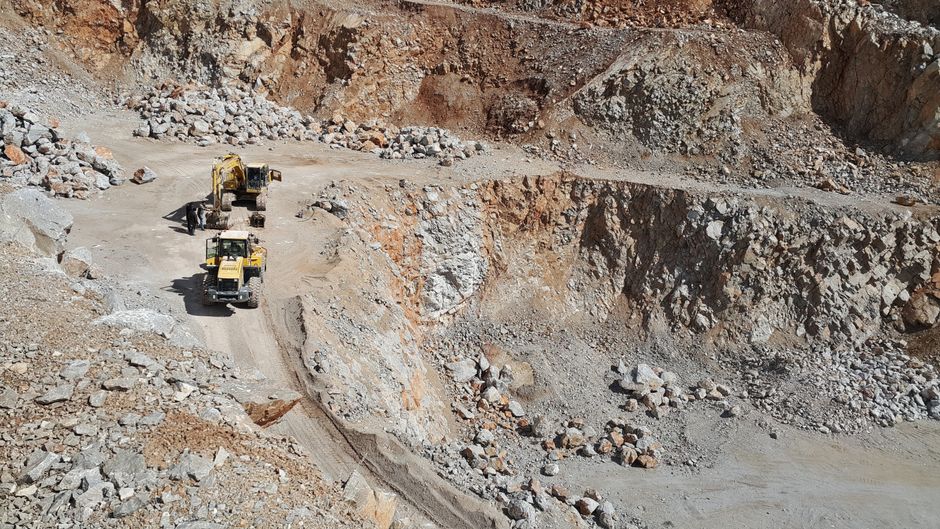
Into this environment steps Aguia Resources, which has just transitioned its flagship Três Estradas phosphate project in southern Brazil to commercial production — a milestone reached after years of permitting hurdles and development work. The project sits at the heart of Brazil's agricultural belt, where farmers contend with acidic soils and a heavy dependence on fertiliser imports.
The company produces a premium product branded "Pampafos" — a natural organic phosphate fertiliser made by selectively mining phosphate ore, blending it to target around 12 per cent phosphorus pentoxide content, then drying and grinding it into a market-ready form.
The early production results have been striking. Within just six weeks of commissioning, Aguia says it has already locked in $2.3 million in Pampafos sales — an unusually strong start for a new mining operation. The processing plant has a nameplate capacity of more than 200,000 tonnes per annum, providing considerable headroom for revenue growth as output ramps up.
Sales Agreements and Policy Tailwinds
Aguia reports it has secured non-binding Memorandums of Understanding covering an initial sales volume of 40,000 to 44,000 tonnes, with a longer-term ramp-up trajectory targeting 100,000 tonnes per annum and beyond. The appetite for locally sourced fertiliser in Brazil appears robust, with the country's agricultural sector highly motivated to reduce its exposure to volatile international supply chains.
Policy settings are also beginning to align in the company's favour. Brazil's federal Senate has moved to support domestic fertiliser production — a development that adds a further layer of structural support to Aguia's commercial case.
The broader lesson of the phosphate story mirrors concerns that have emerged in other areas of critical infrastructure supply. Just as infrastructure vulnerabilities can emerge with little warning, so too can the food security risks embedded in concentrated, fragile commodity supply chains — risks that the global phosphate crunch has now made impossible to ignore.
For investors and policymakers alike, phosphate's transformation from a mundane agricultural input into a strategically critical commodity is a reminder that the next supply shock rarely comes from the direction everyone is already watching.