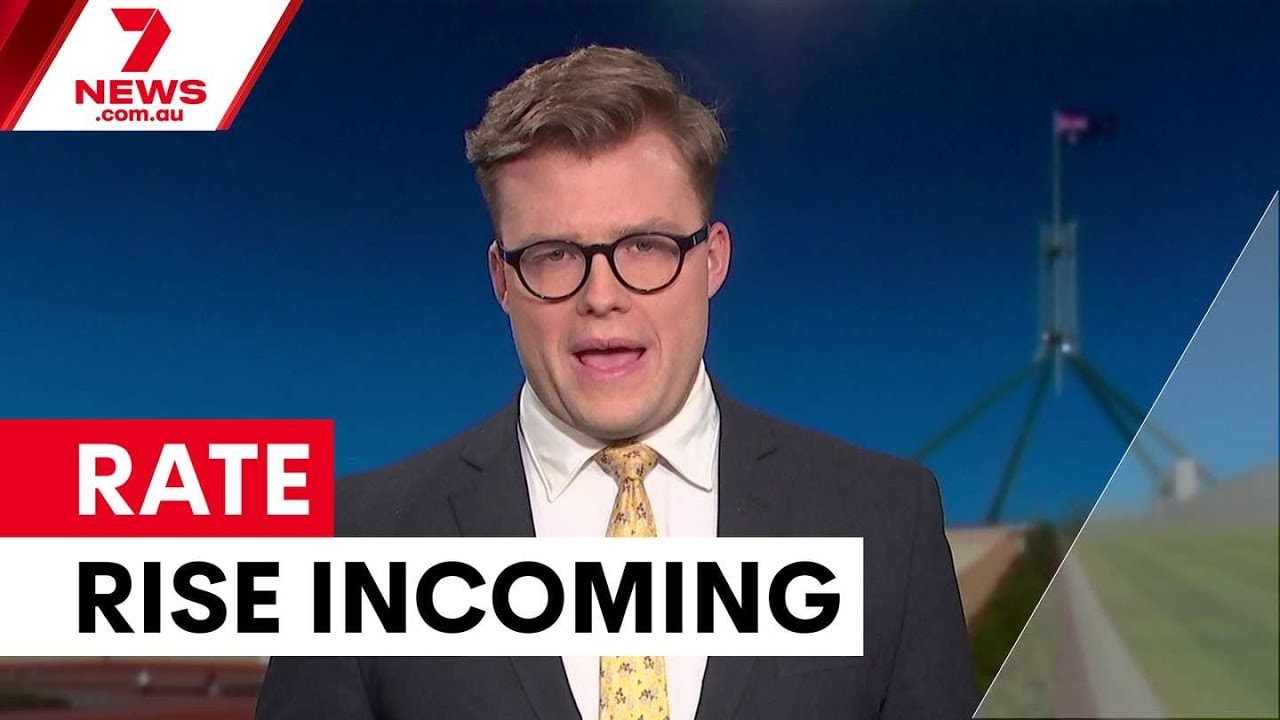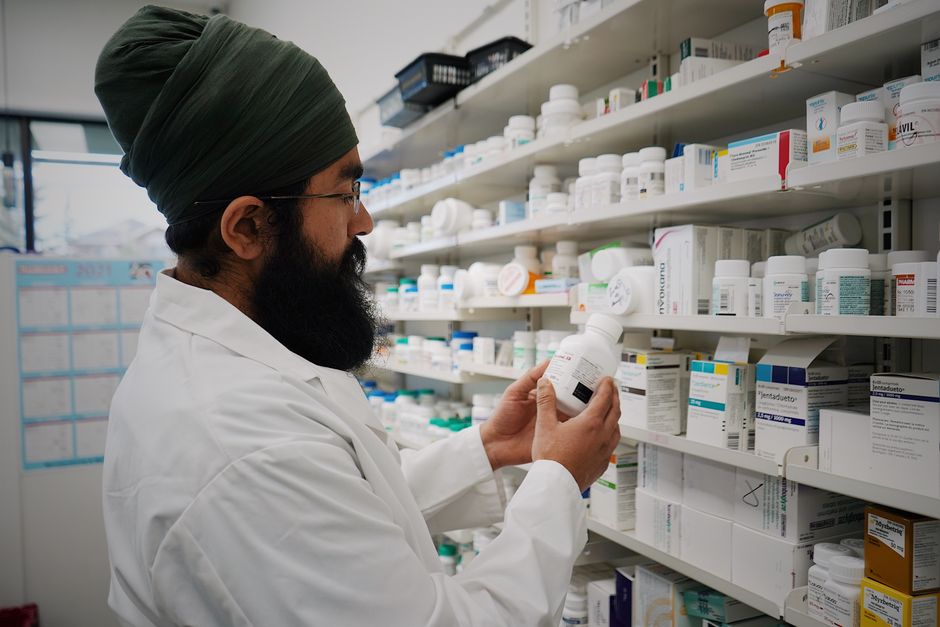
The federal government will freeze the maximum price of most Pharmaceutical Benefits Scheme medicines at $25 until the end of the decade, as it moves to shield millions of Australians from future prescription price rises. Prime Minister Anthony Albanese announced the measure on Monday, though he cautioned it represented only "limited" cost-of-living relief that households could expect from the government in the near term.
What the PBS price freeze means for patients
The freeze will lock the PBS co-payment for general patients at $25 until 2030, preventing the annual inflation-linked increases that would otherwise push the price higher over time. The move brings general patients closer in line with concession card holders, whose PBS prescription costs of $7.70 are already frozen until 2030.
The government will move quickly to legislate the change, which is expected to cost the federal budget an additional $242 million over three years. More than 900 prescription medicines are currently listed on the PBS, a program through which the government subsidises certain medications to make them more affordable for Australians.
Health Minister Mark Butler said the government recognised that Australians without concession cards were also feeling the financial squeeze. "We have been determined to ensure that every Australian can access the basic health care that they need, rather than checking their wallet and seeing what they can afford," he said.
Context: a gradual reduction in PBS costs
Cheaper PBS medicines have been a central plank of Labor's cost-of-living pitch across two successive federal elections. Ahead of the 2022 election, the party announced a plan to cut most PBS medicines from $42.50 to $30. In 2025, the government went further, promising to reduce the co-payment to $25, at a cost of $690 million over four years.
The latest announcement does not lower the price further but instead freezes it at the current $25 level, preventing any upward creep tied to inflation indexation. Mr Albanese has previously argued that keeping people healthy reduces long-term pressure on the budget and that cheaper medicines represent cost-of-living relief without stoking inflation.
Treasurer Jim Chalmers had flagged last week that the government was looking at cheaper medicines and expanded bulk billing as among its options for "responsible cost of living relief" while also working to reduce overall spending.
Industry and consumer groups welcome the move
National President of the Pharmacy Guild of Australia, Professor Trent Twomey, backed the freeze, saying it would help millions of Australians who were being forced to choose between essential medications and other household expenses. "People can delay a holiday or a new television, but they should never have to delay treatment for diabetes, asthma or high blood pressure because the family budget does not stretch far enough," he said.
The announcement came on the same day as the release of a major consumer health survey of more than 5,000 Australian adults, which painted a stark picture of how cost pressures are driving people away from medical care. The survey, conducted by the Consumers Health Forum of Australia, found that almost half of Australian adults went without at least one form of healthcare in the past 12 months, with lack of affordability cited as the most common reason.
Of those who deferred care, more than two-thirds put off seeing a dentist, close to half did not fill a prescription, and a third did not see a doctor. Consumers Health Forum chief executive Elizabeth Deveny said the findings pointed to a health system dividing along financial lines. "We have a health system where there are the haves and the have-nots. The gap between them is where people are getting hurt," she said. "Healthcare decisions are made at the kitchen table and weighed against rent, groceries and everything else due that week. For a lot of people, choices are becoming impossible."
Dental care emerged as a particular pressure point, with close to six in ten respondents saying they had delayed or avoided seeing a dentist, in some cases resulting in pain, difficulty eating or tooth loss. Nine in ten survey participants said dental care should be considered part of Medicare and partially subsidised. Despite the access and equity concerns, 81 per cent of those who had received healthcare in the past year said they were satisfied with the care they received.
The survey findings also highlighted that healthcare experiences were shaped not only by financial resources but by whether services were accessible and culturally appropriate for different communities.
What comes next
The government has committed to moving swiftly on legislation to cement the $25 freeze before existing arrangements lapse. Mr Albanese was direct in tempering expectations, warning that the PBS measure was among a narrow range of cost-of-living interventions households could anticipate, as the government balances relief measures against the need for fiscal restraint. With pressure on household health budgets continuing to mount, advocates are expected to keep pushing for broader reforms, including dental coverage under Medicare, in the months ahead.