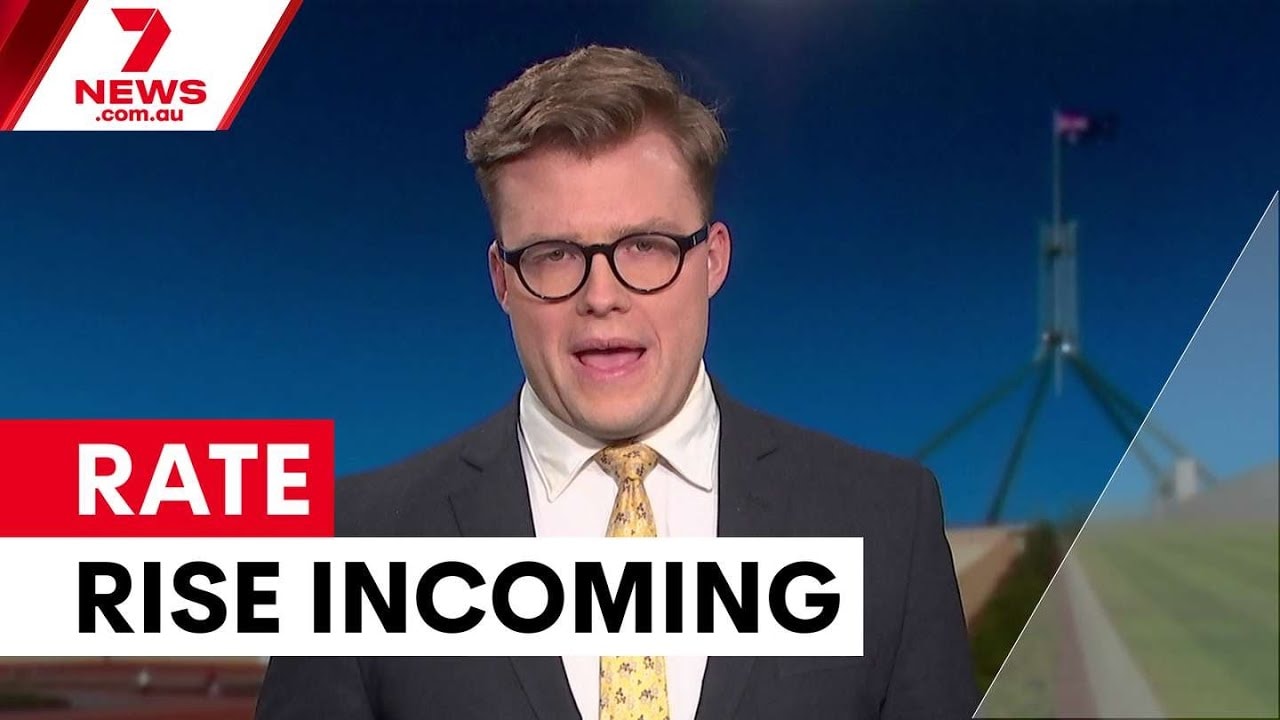
Pauline Hanson has spent three decades cultivating an image as the plain-spoken outsider who says what others won't — but as she positions herself as a genuine candidate for prime minister, the full breadth of One Nation's policy agenda is now attracting the kind of scrutiny that could prove deeply uncomfortable, even for her most committed supporters.
From Protest Vote to Prime Ministerial Contender
For much of her political career, Hanson operated on the fringes — easy to dismiss, harder to examine. That dynamic has fundamentally shifted. With polling now showing nearly one in three Australians nominating her as their preferred prime minister, the One Nation leader has crossed a threshold that changes the rules entirely.
Until now, a handful of headline-grabbing remarks and eye-catching stunts dominated coverage of Hanson and her party, while the deeper contents of One Nation's policy platform largely escaped public attention. That is no longer sustainable. As an aspirational party of government, everything on the policy shelf is now fair game — and analysts warn that once voters start looking closely, many will be taken aback by what they find.
The concept of the "Overton window" — the range of ideas considered acceptable in mainstream public debate, named after American social theorist Joseph Overton — is useful here. Few figures in recent Australian politics have pushed those boundaries as aggressively as Hanson. Her sustained assault on multiculturalism, a settled bipartisan position for decades, is the clearest example: what was once beyond serious political debate has now moved firmly into the mainstream. As shifts in Australian political sentiment continue to reshape the landscape, the Overton window has, as one analysis puts it, "blown wide open".
The Malcolm Roberts Question
Among the more confronting realities for voters contemplating One Nation in government is the prospect of Senator Malcolm Roberts occupying a senior cabinet position. While every political party carries the occasional eccentric in its ranks, Roberts would not be a backbench curiosity under a Hanson prime ministership — he would be a central figure in government, potentially sitting on the National Security Committee.
Reports have highlighted Roberts' promotion of antisemitic material, his admiration for Russian President Vladimir Putin, and foreign policy positions described as more aggressively anti-American than those found on the far left of the Greens. These are not minor biographical footnotes; in a Hanson government, they would be active ingredients in the nation's decision-making.
For conservatives who have been flirting with One Nation as a protest against the major parties, this presents a serious question: is that the representation they actually want in the room where Australia's most sensitive national security decisions are made?
The Cost of Greater Scrutiny
Hanson's political longevity has rested heavily on image rather than policy detail. She has thrived on the contempt of the political establishment, whose dismissive responses to her unfiltered views only reinforced her outsider credentials. As public trust in that establishment eroded, she became its primary beneficiary — a battlers' champion who seemed to fight on behalf of those left behind by Canberra.
But declaring herself a prime ministerial option has fundamentally altered the standard by which she must be judged. The question her admirers can no longer sidestep is whether someone whose primary demonstrated skill has been as a political agitator genuinely has the capacity to run the country. For those inclined to answer "well, she couldn't be any worse," the emerging evidence suggests that assessment deserves far more careful consideration than it has received.
One Nation's broader policy platform — beyond the attention-grabbing pronouncements — remains largely unexamined by much of the voting public. That is changing rapidly. When supporters take the time to look at the full picture, the findings, it is suggested, could horrify even those who have been among Hanson's most enthusiastic backers.