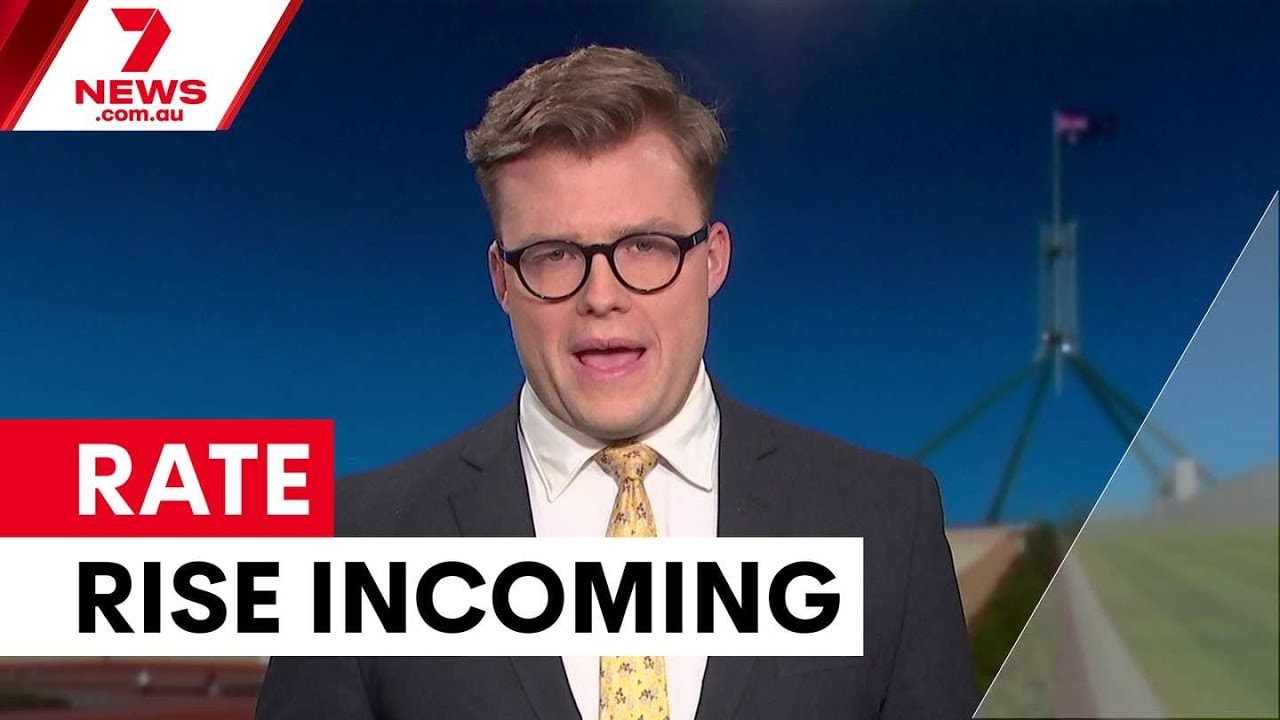
One Nation has defied widespread predictions of irrelevance to emerge as the second most popular political force in Victoria, with the latest polling putting the protest party at 25 per cent support compared to Labor's 20 per cent, as voters prepare to head to the polls on Saturday.
The result, drawn from an average of polls compiled by analyst William Bowe, represents a striking turnaround for a party that experts had widely tipped to fade under the scrutiny of a full state election campaign. Instead, it is the Labor Party whose support has collapsed in the final stretch, leaving Premier Ben Carroll fighting to hold government after three consecutive terms in power.
How One Nation Got Here
One Nation's support has remained broadly consistent throughout most of the year, defying a political and media environment that has been largely hostile to the party's candidacy. The polling average tracked by Bowe now shows One Nation has overtaken Labor in first-preference support, an outcome few political observers anticipated when the campaign began.
Former prime minister Tony Abbott overnight suggested "we've passed peak Pauline," a reference to One Nation founder Pauline Hanson, while a Melbourne political science academic wrote earlier this week that the party's decline "was probably always foreseeable." Those assessments now look premature, with One Nation finishing the campaign in a stronger position than at the start.
The bigger question heading into Saturday is how that primary vote will translate into lower house seats, where government is actually formed. Bowe's modelling gives an extraordinarily wide range: One Nation could win anywhere between two and 17 electorates. That uncertainty reflects what would be the first genuinely competitive three-way contests in roughly 75 years.
For more on how the major parties have been responding to One Nation's rise, see our earlier coverage of Premier Carroll's warnings about One Nation's impact on this election.
The Preferences Problem
The critical variable for One Nation and Labor alike is the flow of preferences. Polling from Resolve suggests the Coalition will capture around 80 per cent of Labor voters' preferences, giving the Liberal-National ticket a significant advantage in seats where it sits behind on primaries.
"The problem for One Nation and Labor is that unless they have a large primary vote lead over the Coalition, preferences from the other side will overtake them," Resolve pollster Jim Reed said on Wednesday.
The Coalition has promised to direct its own preferences toward One Nation in most seats, though that arrangement has already hit a snag. One Nation publicly accused the Coalition of doing a "dirty deal" after it placed the party below the Greens, Socialists and Labor on how-to-vote cards in the seat of Greenvale, one of Melbourne's more religious electorates.
The fallout in Greenvale follows reports that One Nation's local candidate, Chris Moore, had made inflammatory comments about Indian Australians, Muslims, lesbians and former Labor prime minister Julia Gillard on Facebook between 2010 and 2012. Moore, in a social media advertisement, blamed the Coalition for caving to media pressure. "Under the tiniest amount of pressure, they've shown they're just as bad as Labor," he said. "They've got zero fight, zero backbone and they'll happily throw you under the bus."
Carroll's Stumbles and One Nation's Health Policy
With Labor's primary vote in retreat, Premier Carroll has turned increasingly combative in the final days of the campaign, though some of his attacks have not held up to scrutiny. During a tense exchange with a One Nation volunteer in the outer Melbourne suburb of Eltham on Tuesday, Carroll claimed One Nation's policy was to shut down the Department of Health.
One Nation's actual health policy does not propose abolishing the department. It proposes cutting administrative bureaucracy by consolidating state-wide computer, procurement, payroll and corporate services systems into single platforms, an approach common in large private sector organisations. It would also scrap diversity and environmental programs within the health system that do not directly benefit patients or fulfil a legal obligation.
The exchange was emblematic of a campaign in which the governing party, with little momentum left, has struggled to land clean hits on its rivals.
Coalition Policies and One Nation's Clash Over Privatisation
The Coalition, led by Liberal leader Jess Wilson, has also had a turbulent final week, announcing a string of significant policies late in the campaign including a long-term 90-year lease of Melbourne's sewerage network, cuts to planned kindergarten expansions and a further sell-down of the government's share in VicRoads from 19 per cent to 5 per cent, raising an estimated $600 million.
One Nation moved on Wednesday to oppose any privatisation of Melbourne Water assets, putting it on a collision course with the Coalition it has otherwise sought to work alongside. Wilson dismissed the criticism, saying she was "not really interested in taking lectures from One Nation, who haven't costed a single policy."
With all major parties intensifying their final-day campaigning, One Nation concluded its campaign with what the party described as a "farewell tour" bus run on the eve of polling day. Whether the party's remarkable polling performance converts into seats, or dissolves under the weight of a hostile preference flow, will be clear by Saturday night.