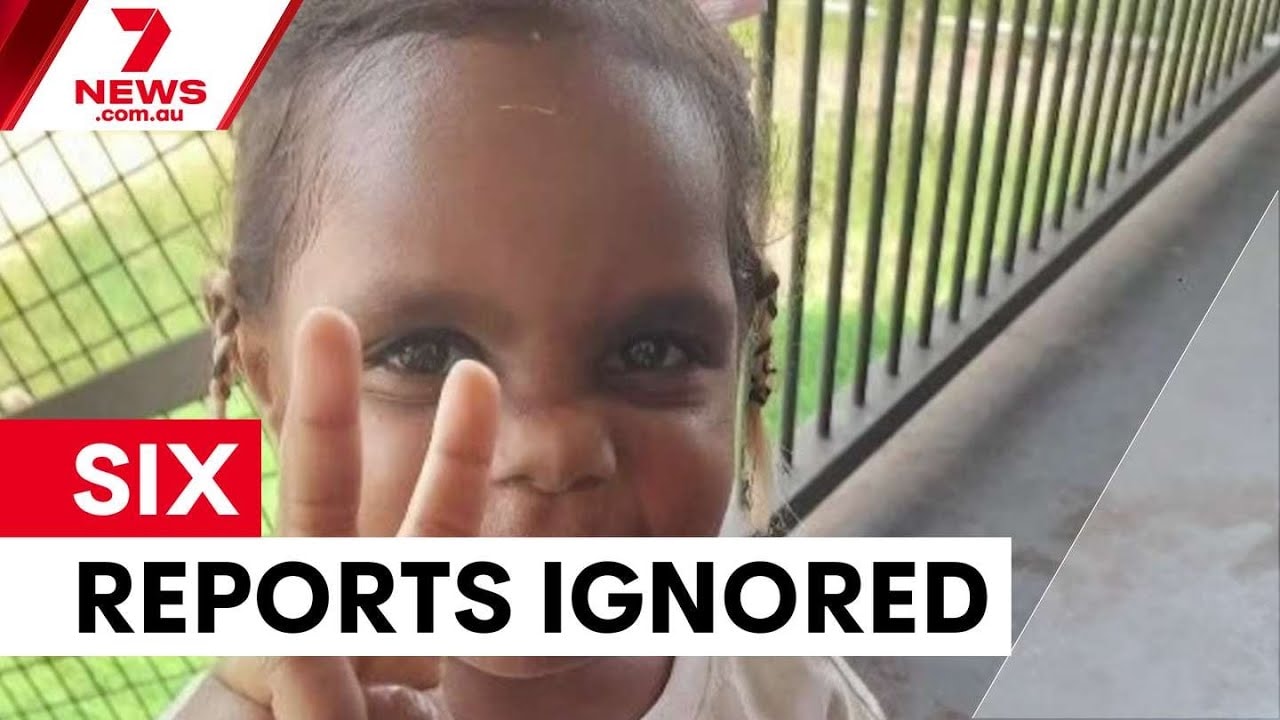
NORTHERN TERRITORY, AUSTRALIA — The alleged murder of five-year-old Kumanjayi Little Baby has intensified scrutiny of the Northern Territory’s child protection system after it was revealed that six child protection reports were filed on her behalf from March onward. The final report was lodged just two days before she was reported missing, raising urgent questions about whether warning signs were missed and whether authorities acted quickly enough to protect a child said to be living in a dangerous environment.
The case has also triggered a wider political response, with former prime ministers John Howard and Tony Abbott backing calls for urgent intervention to address crime, alcohol and drug issues in remote Indigenous communities. At the same time, three child protection workers have been dismissed by the responsible minister.
Six Child Protection Reports Before the Girl Went Missing
Authorities have confirmed that six separate child protection reports were filed in the months before the death of Kumanjayi Little Baby, a five-year-old girl from the Northern Territory.
Those reports spanned the period from March until shortly before she disappeared. Most notably, the final notification was made only two days before she went missing.
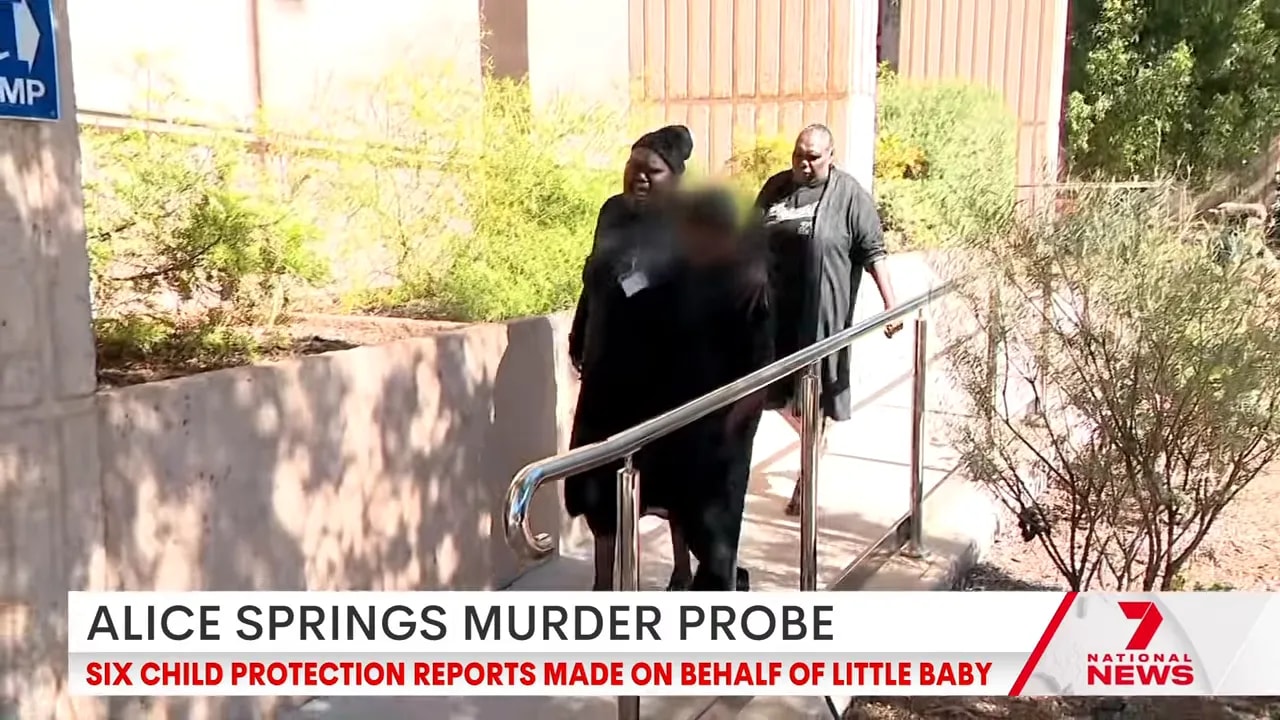
The reports indicated the child was living in what was described as a dangerous environment. That detail is central to the public concern now surrounding the case, because it suggests there had already been repeated alerts about risks to her safety.
While the available information does not set out the full contents of each report, the existence of six separate notifications points to ongoing concern rather than a single isolated incident.
A Case Now at the Centre of Broader Systemic Questions
The death of Kumanjayi Little Baby is not only being treated as an individual tragedy. It has also become a flashpoint in the debate over child welfare responses in remote parts of the Northern Territory.
When multiple reports are made over a relatively short period, attention naturally turns to the systems designed to assess risk, respond to danger and intervene when a child’s circumstances appear unsafe.
In this case, the timing of the final report has sharpened those concerns. A warning submitted just 48 hours before the child went missing is likely to prompt questions about triaging, follow-up processes and whether frontline agencies had the resources and authority to act.
Political Pressure Builds for Urgent Action in Remote Communities
The case has also renewed long-running concerns about conditions in some remote Indigenous communities, particularly around crime, substance abuse and child safety.
Former prime ministers John Howard and Tony Abbott have supported calls for urgent action, adding weight to demands for a stronger government response.
Their intervention reflects a broader national debate over how best to protect vulnerable children while addressing the social conditions that can place families and communities under severe strain.
Issues involving alcohol misuse, drug-related harm and community safety have repeatedly been raised in policy discussions about remote Australia. In the wake of this case, those issues have again moved to the forefront.
For readers seeking broader context on child protection policy in the Northern Territory, the NT Government child protection information page outlines the role of the system and reporting pathways. National context is also available through the Australian Institute of Health and Welfare’s child protection data.
Three Child Protection Workers Dismissed
In a significant development, the minister responsible has dismissed three child protection workers.
The sackings indicate that the government is treating the matter with serious urgency and may believe failures occurred in the handling of the case. However, the limited public information available so far does not detail the precise grounds for each dismissal.
Even so, the move signals that accountability within the child protection system is already under way. It also suggests the government is aware of the intense public concern surrounding how repeated reports about the child were managed.
Why the Timing of the Final Report Matters
Of all the details revealed so far, the timing of the last child protection report is one of the most confronting.
A report made two days before a child goes missing inevitably raises questions about whether the danger was escalating, whether urgent intervention was considered, and whether the system was equipped to respond fast enough.
In child protection matters, timing can be decisive. Reports are intended to identify risk early, allowing agencies to investigate, assess and, where necessary, remove a child from harm or put protections in place.
When several reports are made and the child is still allegedly left in unsafe conditions, the public expectation is that authorities explain what happened, what barriers existed, and what changes will now follow.
The Wider Challenge Facing Remote Child Safety Responses
The developments in this case have underscored how difficult child protection can be in remote settings, where agencies may face logistical, staffing and service-delivery pressures.
Distance, limited local services, workforce shortages and complex community circumstances can all affect how rapidly concerns are investigated and acted upon. None of that lessens the seriousness of the responsibility, but it does help explain why these cases often expose deeper structural issues.
At the same time, repeated reports about a young child in danger strengthen the argument for better coordination between welfare services, police, health providers and community leaders.
Nationally, child protection experts often emphasise that prevention and early intervention are just as important as crisis response. Information from the Australian Institute of Family Studies provides further background on reporting obligations and child safety frameworks in Australia.
What This Means for the Northern Territory Government
The Northern Territory Government now faces pressure on several fronts.
First, it must answer questions about how six warnings were handled. Second, it must demonstrate whether disciplinary action against staff is part of a broader review or only an initial response. Third, it must address the larger policy debate over safety in remote communities.
The political challenge is not simply about one case, but about whether the system can restore public confidence after such a devastating outcome.
That will likely require more than personnel changes. It may also involve a review of reporting thresholds, response times, case escalation procedures and the support available to at-risk children and families.
Key Points
- Six child protection reports were filed on behalf of Kumanjayi Little Baby from March onward.
- The final report was submitted two days before she went missing.
- The reports indicated the five-year-old was living in a dangerous environment.
- Former prime ministers John Howard and Tony Abbott have supported urgent action on crime, alcohol and drugs in remote Indigenous communities.
- Three child protection workers have been dismissed by the responsible minister.
FAQs
How many child protection reports were made before the NT girl’s alleged murder?
Six child protection reports were filed on behalf of Kumanjayi Little Baby between March and the time she went missing.When was the final report lodged?
The last report was submitted just two days before the five-year-old was reported missing.What did the reports indicate?
The reports suggested the child was living in a dangerous environment, which has become a major focus of concern in the aftermath of her death.Who has called for urgent action following the case?
Former prime ministers John Howard and Tony Abbott have backed calls for urgent action to tackle crime, drugs and alcohol in remote Indigenous communities.Were any officials removed from their roles?
Yes. Three child protection workers were dismissed by the minister responsible.Why has this case drawn such intense attention?
The case has drawn strong scrutiny because multiple warnings were reportedly raised before the child’s death, including one made only two days before she went missing. That has led to serious questions about system failures, accountability and child safety responses in remote communities.The information in this article has been adapted from mainstream news sources and video reports published on official channels. Watch the full video here Six reports filed before NT girl’s alleged murder | 7NEWS