NSW Health has issued an apology following an investigation that exposed a disturbing practice at Sydney's Rookwood Cemetery, where people unable to afford funerals have been buried together with strangers in shared, unmarked graves.
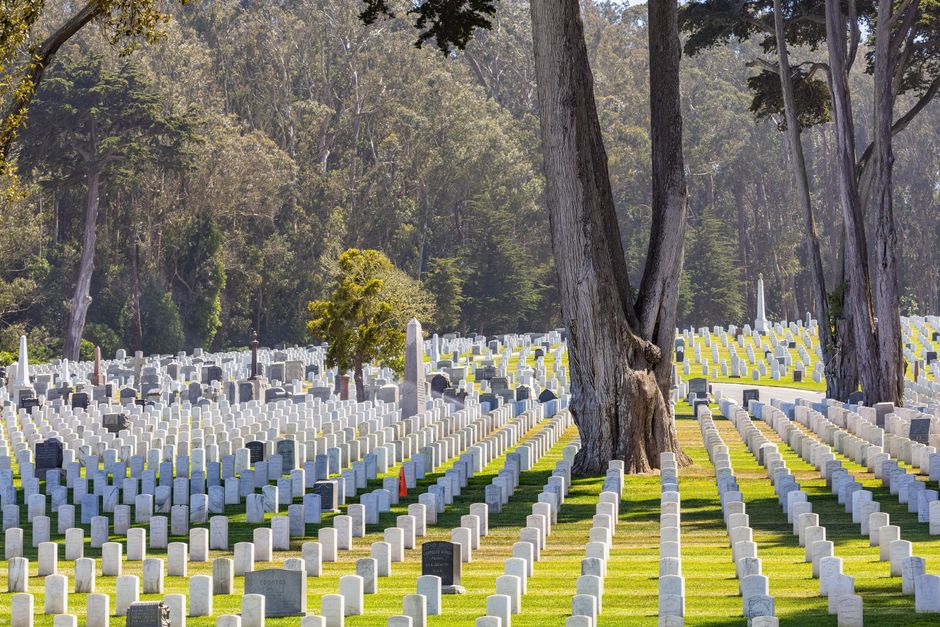
The investigation uncovered multiple cases of people being interred in communal plots, with imagery revealing graves dug between walkways and existing headstones. Among those buried in such conditions are homeless people, veterans and migrants — some of the most vulnerable members of Sydney's community.
Families Denied the Chance to Say a Proper Goodbye
Grieving families say they were never given the opportunity to provide their loved ones with a dignified final resting place. The revelation has prompted widespread concern about the treatment of those who die without the financial means to cover funeral costs.
NSW Health Minister Ryan Park acknowledged the seriousness of the situation, stating that "quite clearly the dignity of those who have passed, as well as for their families, is something that we need to take into consideration and we need to do this better."
Metropolitan Memorial Parks, the organisation responsible for operating Rookwood Cemetery, confirmed that the state government does not currently fund grave markings for people buried without means. However, the organisation noted that family members and friends are able to apply to have a person buried in a public grave memorialised.
Questions Over Funding and Accountability at Rookwood Cemetery
The situation has thrown a spotlight on a systemic gap in how New South Wales handles so-called public or welfare burials — arrangements made for those who die without money or next of kin willing or able to meet funeral expenses.
Critics argue that the absence of individual grave markings compounds the grief of surviving family members and strips the deceased of basic dignity. The practice raises broader questions about government responsibility toward society's most marginalised individuals, even after death.
NSW Health's apology signals an acknowledgement that current arrangements are falling short, though no specific policy changes or funding commitments have yet been announced. Families and advocates are expected to press authorities for a formal review of how public burials are managed across New South Wales.
The case echoes wider concerns about inequality and disadvantage in Sydney's most vulnerable communities, where poverty continues to shape lives — and, it now appears, deaths.