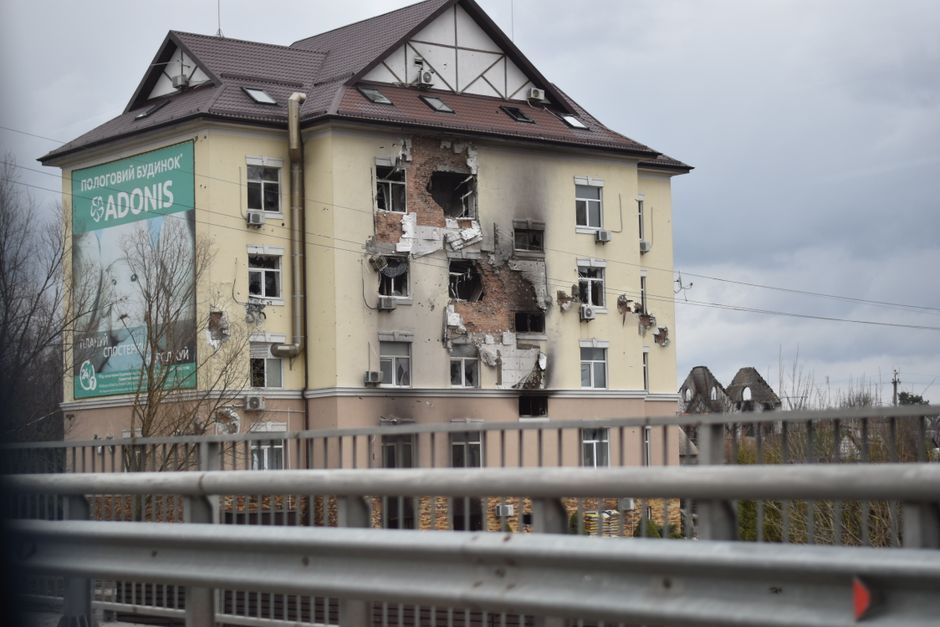
Russia launched a devastating 11-hour missile and drone barrage against Kyiv overnight, killing at least 25 civilians and wounding more than 90 others in one of the most intense attacks on the Ukrainian capital in recent months. Moscow described the assault as retaliation for Ukrainian strikes targeting Russian oil infrastructure, but Ukrainian officials flatly rejected that justification, calling the bombardment an act of aggression against a civilian population.
Scale of Destruction Across Kyiv
Loud explosions reverberated through Kyiv for hours during the night, sending residents rushing to subway stations for shelter after air raid warnings were issued. By dawn on Thursday, emergency crews were still sifting through the rubble of collapsed and burned-out apartment buildings searching for victims.
Damage was recorded at 30 locations across the city, primarily residential buildings and civilian infrastructure, according to the head of the Kyiv City Military Administration. At least 20 residential buildings were damaged, the Interior Minister confirmed. In the Desnianskyi district, residents were reported trapped inside a damaged nine-storey building, while in the Darnytskyi district, six floors of a nine-storey apartment block collapsed entirely.
Ukraine's air force reported that Russia fired 74 missiles — 24 of them ballistic — along with 496 drones of various types during the attack. A fire broke out on the roof of a 16-storey building during the prolonged blitz.
Kyiv Mayor Vitali Klitschko confirmed more than 90 people were injured, while Foreign Minister Andrii Sybiha described the events as a "night of horror" for the capital. In a separate incident in the central Dnipropetrovsk region, a Russian guided bomb strike killed a seven-year-old girl and wounded four other members of the same family, including an 11-year-old girl.
Russia Claims Military Targets; Ukraine Rejects the Justification
The Kremlin's spokesman said Russia's General Staff chief reported the results of the strike directly to President Vladimir Putin, describing the bombardment as a "massive retaliatory strike" carried out exclusively against military or military-linked targets. Russia's defence ministry published a list of claimed targets, asserting the attack used high-precision long-range weapons and drones against drone and missile manufacturing facilities, fuel and energy complexes in Kyiv and surrounding areas, and military airfield infrastructure across four other Ukrainian regions.
Ukrainian Foreign Minister Sybiha rejected the framing entirely. He said Ukraine was exercising its legitimate right to self-defence under Article 51 of the United Nations Charter and called on partner nations not to delay decisions on supplying additional air defence systems and missiles. Russia, he said, remained the aggressor regardless of any attempt to portray the strikes as a proportionate response.
Russia's aerial campaigns have repeatedly struck civilian areas throughout the conflict, drawing international condemnation.
Context: Ukraine's 40-Day Blitz on Russian Energy
The attack comes amid an intensifying Ukrainian campaign — described by President Volodymyr Zelensky as a 40-day blitz — targeting Russian oil refineries and energy infrastructure. Those strikes have caused significant fuel shortages inside Russia and placed considerable pressure on the Kremlin, more than four years after Moscow launched its full-scale invasion of Ukraine.
Ukrainian officials have framed these long-range operations as a strategy to bring Putin to the negotiating table. However, Moscow has so far responded with escalation rather than diplomacy. Broader international efforts to broker a ceasefire, including the most recent initiative by the Trump administration in the United States, have failed to produce any concrete results.
What Comes Next
With both sides signalling intent to press forward militarily, the prospect of a near-term de-escalation appears remote. Ukraine's foreign minister has made clear that the country requires stronger air defences to shield its cities from further mass casualty attacks of this scale. International pressure on allied nations to accelerate weapons deliveries is expected to grow in the wake of Thursday's deadly overnight bombardment.