Reform UK leader Nigel Farage has dramatically resigned his seat in the British parliament, announcing he will immediately contest a by-election in his own constituency — a shock move he framed as a direct appeal to voters to judge him over mounting controversy surrounding a multimillion-pound undeclared financial donation.
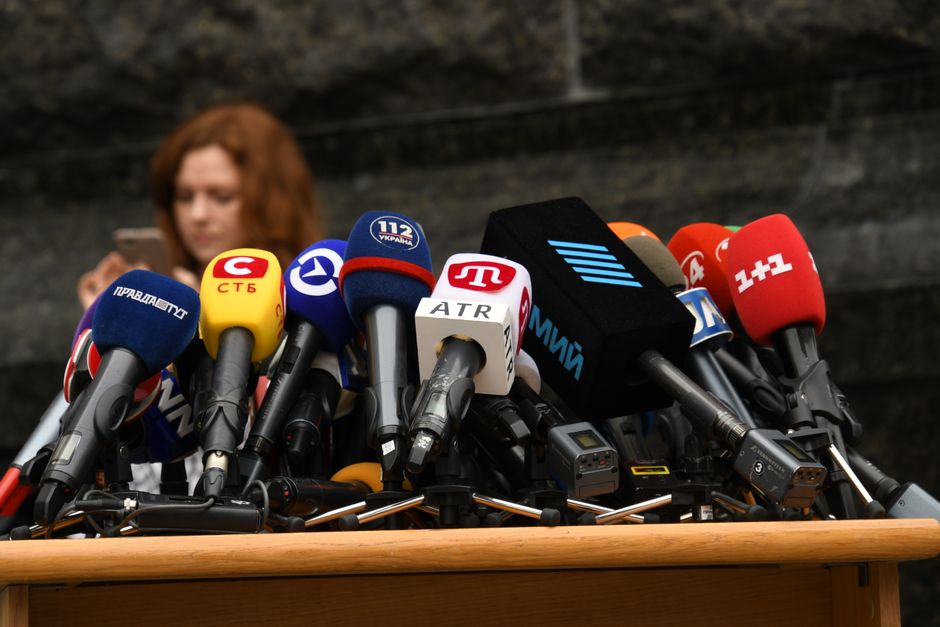
Speaking at a press conference in London on Tuesday, Farage confirmed he would stand down as the member for Clacton-on-Sea, a constituency north-east of London, thereby triggering a fresh vote that he said he intends to win. The announcement came after weeks of intensifying scrutiny over his personal finances, including a £5 million (approximately A$9.6 million) gift from a Thailand-based billionaire cryptocurrency investor that he had not declared publicly.
"I've decided that the people of Clacton should be the judges of my actions," Farage told reporters after speaking for around 14 minutes. "This will be a people versus the establishment by-election. It's a chance to stick two fingers up to the entire establishment, to frankly tell them where to go."
What Farage Said — and Why He Says He Did Nothing Wrong
Farage was emphatic that he had broken no laws and had nothing to answer for. He said parliamentary rules were not designed to govern an MP's private life, and insisted his acceptance of the large donation was entirely legitimate. He explained that he intends to use the funds for personal security for himself and his family, citing what he described as a pattern of physical and verbal attacks against him.
"I am the most physically and verbally attacked public figure or politician of modern times," he said, adding that he had been particularly disturbed by media coverage that included images of his daughter's home being broadcast publicly.
He also pushed back firmly against the idea that the press should have any power over his political fate. "Why should they be the people that decide my fate, when, as I repeat, I've done nothing wrong?" he said, before confirming the resignation that would force the by-election.
Farage said he had spent the past decade building income through writing, lecturing, broadcasting and social media work, and framed the controversy as a politically motivated campaign against him by what he called "the establishment."
The Donation Controversy Driving the Crisis
The political pressure on Farage has escalated over recent weeks following the revelation that he had accepted the £5 million gift without disclosing it. Parliament's standards watchdog is now investigating the donation, and he has also been referred to the regulator over reports of separate financial contributions.
The disclosures prompted widespread scrutiny of his broader finances and property holdings. Reports indicate Farage had appeared increasingly tense in public appearances as the questions mounted, a marked contrast to the confident, combative persona he has cultivated over decades in British politics.
In addition to the crypto investor donation, it is understood questions have also been raised about financial support received from an aristocrat who was convicted of fraud — both forming the backdrop to what Farage characterised as an orchestrated media intrusion into his private affairs.
An Unusual Move in the Westminster Tradition
The decision to resign and force a by-election is highly unconventional within the Westminster parliamentary system. It is standard practice for British MPs — even those facing controversy — to remain in their seats unless compelled to leave, and party defections or changes of status routinely occur without any fresh public mandate being sought.
The cost of staging the Clacton-on-Sea by-election, including the count, is expected to run to several hundred thousand pounds.
Reform UK, the right-wing party Farage leads, has been the dominant force in British national opinion polling for more than a year, consistently placing ahead of both Labour and the Conservatives. The party has also recorded wins in local elections, positioning itself as a genuine threat to the century-long duopoly of the two major parties.
Farage is one of the most prominent figures in modern British political history, having previously led the UK Independence Party and then launched the Brexit Party — later rebranded as Reform UK — after the 2016 Brexit referendum, which he had championed. He had claimed at the time of the referendum result that his political mission was complete, only to return to frontline politics in the years that followed.
What Happens Next
Farage confirmed he will formally nominate himself as the Reform UK candidate for the Clacton-on-Sea by-election, which he said he hoped would be held "in short order" following his resignation taking effect.
"I will fight to win. I will fight to continue the political revolution that Reform has started," he said, casting the contest as a defining moment not just for his own career but for the broader anti-establishment movement he believes his party represents.
The by-election will now serve as an early and high-stakes test of whether voters in his constituency — who elected him at the last general election — are prepared to return him to Westminster despite the cloud hanging over his finances.