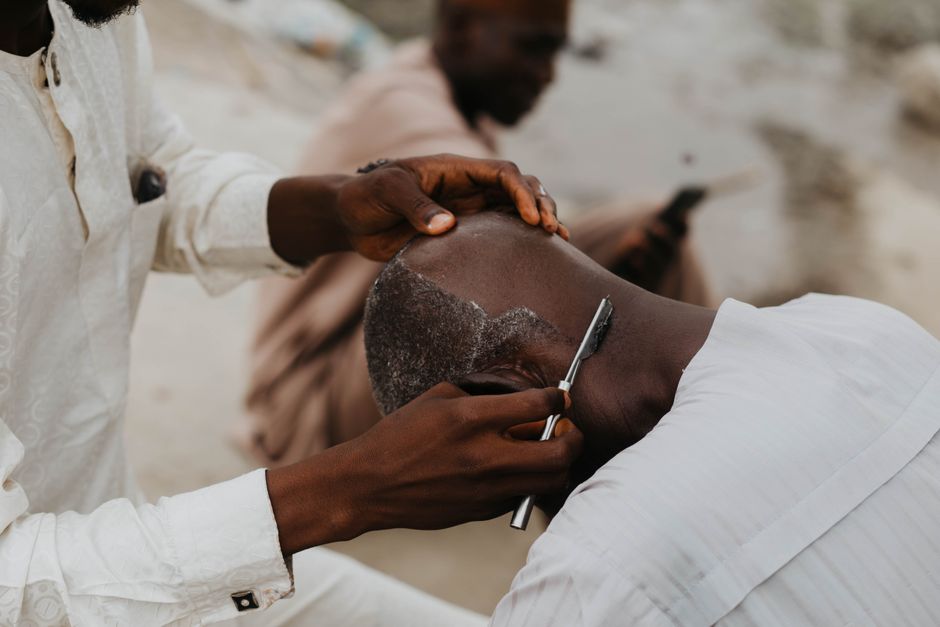
A Mount Isa barber has flown into one of Australia's most remote communities, leaving behind not just fresh haircuts but a lasting set of skills — and 20 professional barber kits — for young people on Mornington Island in the Gulf of Carpentaria.
Jon James, 42, stepped off a small plane carrying a bag of clippers as part of North West Remote Health's (NWRH) Fade Wellbeing Barbering Program, a three-day workshop designed to give young people practical skills and a sense of hope following a difficult period for the island's Aboriginal community.
A Community Ready and Waiting
Mornington Island is a remote Aboriginal community with no permanent hairdresser — a detail that helps explain the reception James received on arrival. Despite the first session not scheduled to begin until 10am, young men and children had already gathered by 9am.
"I couldn't believe how many people already knew who I was through all the social media videos I'd done," James said.
The program was established in the wake of a difficult year for the community, which had been affected by several suicides. NWRH wanted to create a constructive outlet for young people — one that offered both connection and a transferable trade.
James brought more than two decades of experience to the workshops, including the past 12 years running his own barbershop in Mount Isa. Over the preceding six months, he had also volunteered at community haircut events across north-west Queensland, including in Doomadgee and Yallambie.
Teaching the Trade, Not Just the Trim
The philosophy behind the program was straightforward: free haircuts help for a day, but teaching someone to cut hair creates something far more enduring.
"I could've gone over there and done free haircuts all day, but once I leave, that's it," James said. "Teaching them how to barber is definitely the next step. Give someone a fish and they'll eat for a day. Teach them to fish and they'll eat for a lifetime. That's how I feel about barbering."
Students progressed rapidly. Within three days, participants moved from learning foundational techniques to independently performing skin fades — one of the more technical cuts in a barber's repertoire.
"I couldn't believe how quickly they picked up barbering," James said. "They're like, 'Let's go further.' And then they were doing skin fades straight up, and then they were doing them on their own."
NWRH acting wellbeing team leader Sarah Gifford said the program was about far more than haircuts. "We knew Jon brought more than barbering skills," she said. "He has a genuine ability to connect with people of all ages, creating a safe, welcoming space where conversations happen naturally."
Kits Left Behind, Skills That Stay
At the conclusion of the three days, 20 professional barber kits were distributed to students, giving the community the equipment needed to continue practising and offering haircuts to locals well beyond James's visit.
The program also took an unexpected turn midway through the workshops when a local family approached James with a personal request — asking him to cut the hair of a groom and members of a wedding party, folding a moment of community celebration into the broader program.
More Workshops on the Horizon
NWRH has flagged its intention to run further Fade Wellbeing Barbering Program workshops in the future, building on what appears to have been a well-received debut in Mornington Island.
The initiative reflects a growing recognition that practical, community-led programs can play a meaningful role in wellbeing, particularly in remote areas where access to services — whether a barber or a mental health professional — remains limited by geography. Remote and Indigenous community wellbeing has increasingly come into focus as a priority issue across Australia in recent years.
For James, the experience was as rewarding as it was surprising. The crowd that met him at the airstrip, the students who mastered skin fades in days, and the wedding party in need of a trim — all of it, he says, reinforced why teaching matters more than simply showing up.