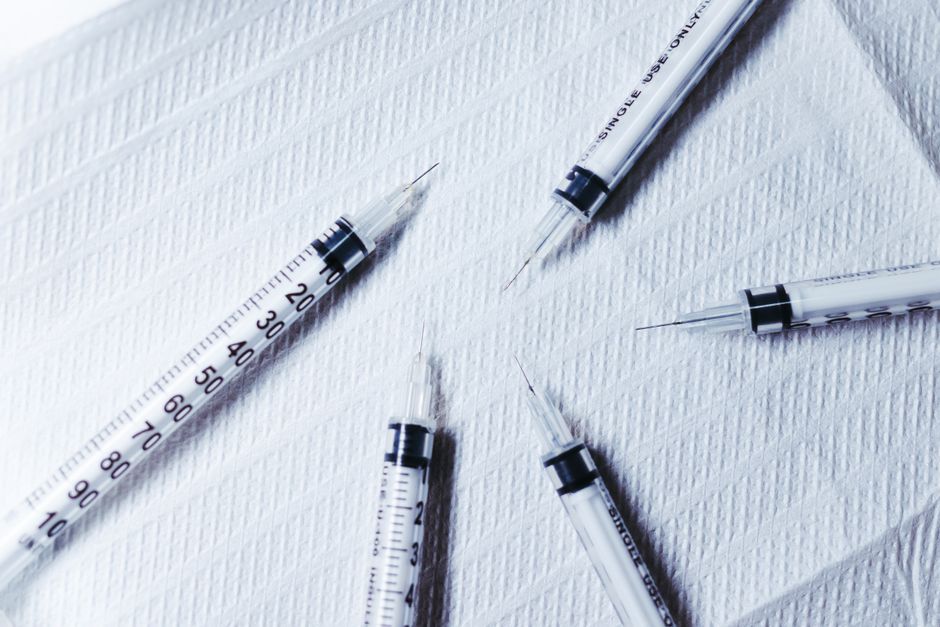
Needle exchange facilities across Australia are under mounting pressure as a sharp rise in peptide use drives unprecedented demand for injecting equipment, leaving services struggling to keep pace and raising fears that at-risk drug users will be left without safe supplies.
A National Trend Taking Hold
The Queensland Injectors Health Network (QuIHN) — an organisation with roots stretching back to 1988, when its predecessor was established to combat the spread of HIV and hepatitis — is among the services sounding the alarm. Chief executive Geoff Davey said the surge in peptide users turning up at needle exchanges had been unmistakable, particularly from late last year.
"November, December, it seemed to spike. It's not just a local issue — it's a trend we're seeing nationally," Davey said.
He described the cohort of peptide users as diverse, with people seeking the substances for weight loss, image enhancement and general wellbeing. The unregulated peptides driving the trend are short chains of amino acids — the building blocks of proteins — that have not been approved for human use by the Therapeutic Goods Administration (TGA), Australia's medicines regulator. Many are imported from overseas and heavily promoted by social media influencers promising dramatic body transformations.
Davey also flagged serious health consequences already emerging, including acute presentations to emergency departments. He pointed specifically to six cases in Victoria linked to the unapproved peptide retratrutide, with liver toxicity cited among the concerning outcomes.
Services Pushed to Breaking Point
In New South Wales, the situation is equally dire. Mary Harrod, chief executive of the Needle Users and AIDS Association (NUAA), said the scale of the problem had caught services off guard.
"It's a giant lab experiment that's happening in real time, with no real response," she said.
Harrod said her organisation had been contracted to distribute 500,000 units of needles and syringes, but demand had ballooned to two million units — four times the funded capacity.
"We can't keep up with that demand," she said, warning that continuing to meet it financially could force the organisation to shed staff. "We would have to let go of two or three employees to keep up with it."
The strain this places on core services is significant. Needle exchange programs were designed primarily to serve people who use illicit drugs, reducing the transmission of blood-borne viruses such as HIV and hepatitis. The influx of peptide users — many of whom are not traditional clients of these services — is diverting limited resources away from those most at risk.
Health Experts Urge Caution Amid Growing Risks
While experts acknowledge there is a silver lining in peptide users making contact with harm reduction organisations — giving services an opportunity to provide credible health information — they remain deeply concerned about the many who are not seeking any guidance at all.
The unregulated nature of the peptides circulating online means users are largely operating without medical supervision, with little certainty about what they are actually injecting. Unlike TGA-approved peptide-based medicines, the products fuelling this trend carry unknown risks and no regulatory oversight for safety or quality.
Harrod's description of a "giant lab experiment" playing out across the community underscores the view held by many in the sector: that the current situation demands a coordinated public health response rather than ad hoc management by already-stretched frontline services.
What Happens Next
With demand showing no sign of easing and funding arrangements failing to account for the new reality, needle exchange services are calling for urgent attention from health authorities. The concern is not only about supply shortfalls, but about a broader public health system that has yet to catch up with a rapidly evolving and largely unregulated trend that is reshaping who walks through the doors of harm reduction facilities nationwide.