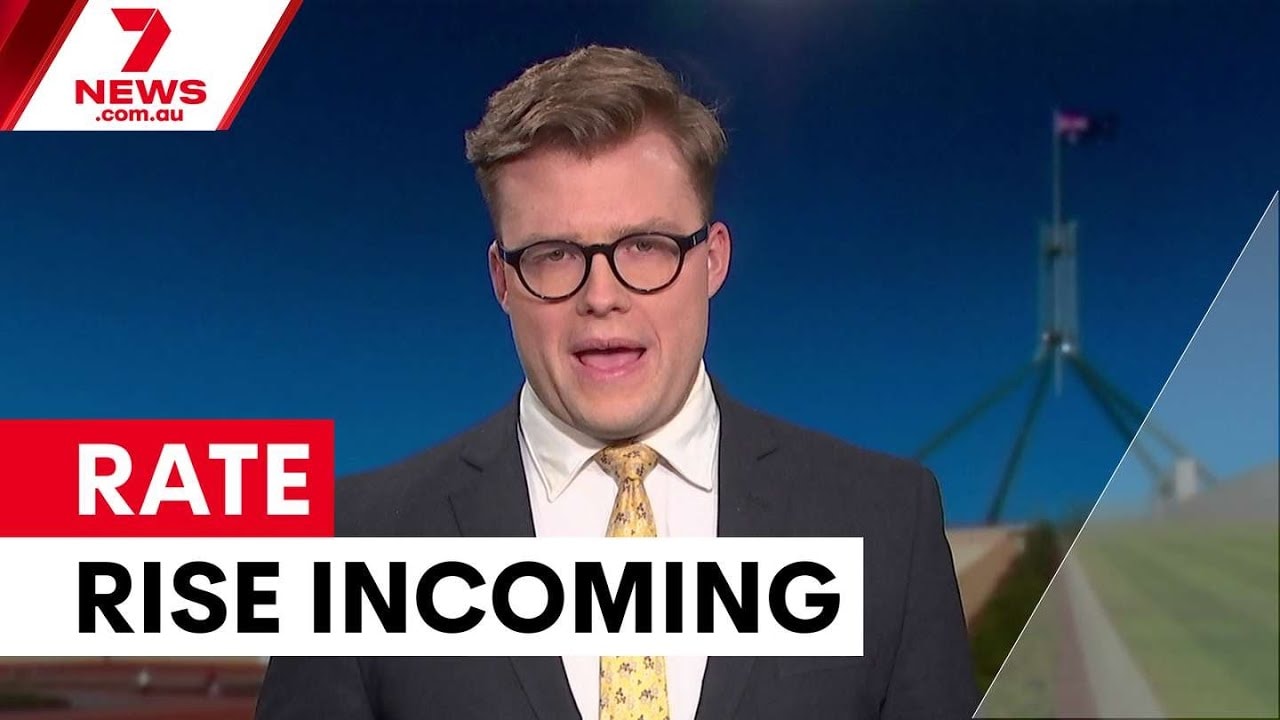
Treasurer Jim Chalmers has held a closed-door briefing with Labor MPs to prepare them for a difficult period ahead, as a likely interest rate rise, a sobering long-term economic report and internal frustration over living standards converge to create one of the government's most testing stretches since taking office.
A small but growing group of backbenchers and some ministers are privately voicing concern about Labor's handling of inflation and productivity, though none were willing to speak on the record. The unease inside caucus comes as Treasury's intergenerational report — setting out Australia's economic and social trajectory over the next 40 years — is due for release next Monday, ahead of a widely anticipated rate rise to 4.6 per cent on September 29.
What Chalmers Told Anxious Labor MPs
The briefing did not take place in Labor's main caucus meeting, where MPs tend to avoid asking hard questions publicly, but in a smaller economic policy group that rarely leaks and where members speak more candidly. According to Labor sources present at the session, Chalmers argued that unlike in the previous century, modern productivity gains would come through a series of smaller, incremental reforms rather than single sweeping changes.
He also warned colleagues that the Coalition would use the intergenerational report to paint a bleak picture of Australia's future prosperity, while insisting the country remained better positioned than comparable democracies. In question time, Chalmers pointed to Australia's debt burden being lower than "every major advanced economy" and cited the ongoing Middle East conflict as weighing on global growth.
"From an economic point of view, the war in the Middle East, the end of it, can't come soon enough," Chalmers said in parliament, noting the Reserve Bank's own assistant governor had flagged the conflict's drag on growth.
Several MPs said they appreciated the treasurer's willingness to engage frankly, and expressed hope that Labor's housing policy would improve affordability over the longer term.
Internal Tensions Over Inflation and Productivity
The private frustration within Labor's ranks has been sharpened by pointed criticism from outside the government. Labor luminary Bill Kelty recently warned that flat wages were fuelling support for One Nation, and described it as insulting to welcome falling house prices while real wages were going backwards. The Business Council of Australia has separately sounded the alarm about what it fears could become one of Australia's worst decades of productivity on record.
One MP at the briefing pushed back on Chalmers' habit of benchmarking Australia's performance against countries like the UK and Japan, arguing it amounted to rationalising economic decline rather than confronting it — a view echoing a recent warning from former prime minister Kevin Rudd that Australia risked becoming a second-rate country.
A second MP was blunter still, saying much of what the government had done amounted to throwing cost-of-living relief at voters in ways that carried an inflationary impact, making it harder for Labor to dodge responsibility for a rate rise that had not been expected earlier this year.
Outspoken backbencher Ed Husic has previously noted that MPs who speak out are often punished, which is why most seeking change pursue a quieter, collaborative approach behind closed doors — a dynamic that explains why dissatisfaction has stayed below the surface despite its apparent growth.
What Comes Next for Labor's Economic Narrative
Prime Minister Anthony Albanese told caucus this week that voters appreciated the government's property tax concession changes, saying: "People get that we are trying to make a difference." But that message did little to reassure the MPs most concerned about Labor's economic direction.
With the intergenerational report's release imminent and another interest rate rise looming, the government faces a narrowing window to shift the economic conversation in its favour. How Labor manages the politics of the next fortnight — particularly if the Reserve Bank moves on rates as expected — is likely to define its economic credibility heading into the next election cycle.