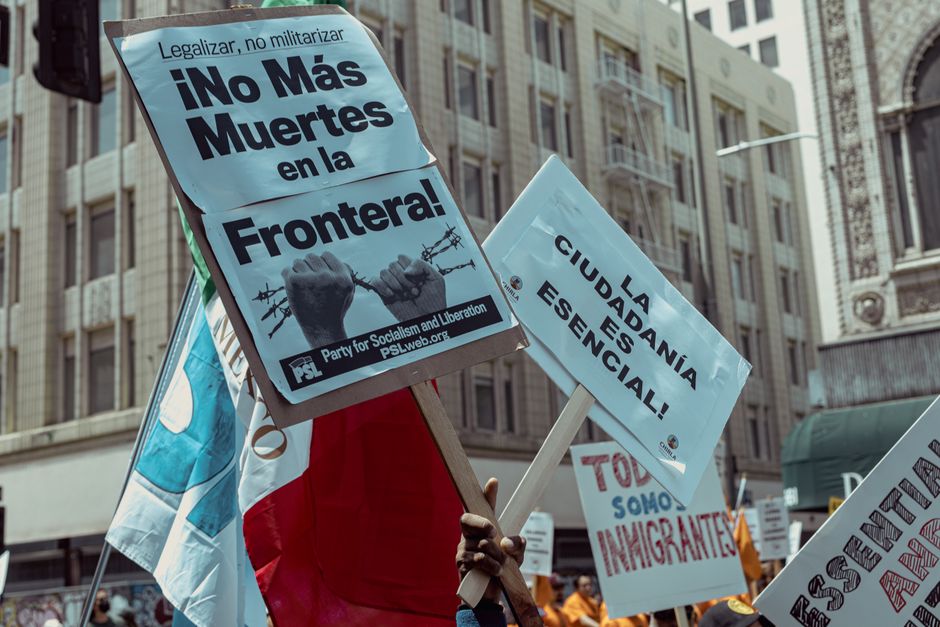
The Albanese government is facing a significant voter backlash over its handling of immigration, with more than half of all Australians describing the government's approach to the portfolio as unplanned and unmanaged — even as a long-awaited crackdown on visa overstayers and questionable asylum claims edges closer to announcement.
A new survey of more than 2,200 voters, conducted between August 9 and 15 with a margin of error of plus or minus 2.1 per cent, found 54 per cent of respondents believe Labor is running immigration policy in an unplanned and unmanaged way. Just 26 per cent said they considered the government's approach carefully planned, while 20 per cent were undecided.
Immigration Dissatisfaction Cuts Across Party Lines
The depth of dissatisfaction is striking: strong majorities of Coalition, One Nation and even Greens voters marked Labor down for its handling of the immigration portfolio. When asked which party was best placed to manage immigration and refugees, 35 per cent nominated One Nation, compared with 23 per cent who backed Labor and just 17 per cent who chose the Coalition.
The broader public mood on immigration levels has also hardened. Some 57 per cent of voters now say immigration is too high — an increase of 8 percentage points since September 2025 — while 28 per cent consider current levels about right and just 4 per cent say they are too low.
The debate over the appropriate level of net overseas migration has been sharpening across the political spectrum. The government's most recent budget forecast projects net overseas migration falling to 225,000 by 2027-28. One Nation has called for cuts to 130,000 per year, while a suggestion from the Liberal housing spokesman that a future Coalition government would target 180,000 reportedly drew a rebuke from within his own party's leadership.
For a deeper look at the structural factors driving migration numbers, Australia's migration debate may be missing a crucial piece — people aren't leaving.
Visa Crackdown Delayed Amid Cabinet Concerns
The polling comes at an awkward moment for Home Affairs Minister Tony Burke, who recently postponed a major public address at which he had been expected to unveil tougher immigration measures. It is understood cabinet colleagues raised concerns that the proposal required further development and that questions about its costs had not been adequately resolved.
When pressed on when the policy announcement would be made, Burke described it as a cabinet process and declined to elaborate. The revised speech and accompanying policy shift are expected within the next fortnight.
Housing Tax Changes Draw Cautious Support
While immigration is a clear liability for the government, the poll offered some positive signals on other fronts. Sixty per cent of voters support lower house prices, and Labor's proposed changes to property tax settings — including restricting the 50 per cent capital gains tax discount on investment sales and limiting negative gearing to new properties only — attracted nearly twice as many supporters as opponents.
On capital gains tax, 35 per cent backed Labor's position against 21 per cent opposed, with 44 per cent undecided or neutral. The negative gearing proposal recorded a similar breakdown: 35 per cent in support, 20 per cent opposed and 45 per cent undecided.
Despite those numbers, the government's pollster noted Labor "simply aren't getting credit for falling home values because they've refused to own that outcome," with price drops at the bowser also seen by voters as a product of international forces rather than government action.
Cost of Living Eases, but Remains Top Concern
Concern about the cost of living dropped 9 percentage points to 36 per cent — its lowest level since February 2023 — though it remains by far voters' primary worry. The softening has not translated into any meaningful shift in party support, with Labor's primary vote steady at 28 per cent, the Coalition at 23 per cent and One Nation at 26 per cent. A controversy involving the Prime Minister's remarks about the Japanese prime minister's personal appearance during the survey period appeared to have had negligible impact on the numbers.