When a hiker breaks a leg deep inside a remote Queensland ravine, the clock starts ticking — and what follows is a carefully coordinated race against terrain, weather and time. In the wake of recent tragedies involving experienced bushwalkers, rescue specialists are opening up about just how complex and dangerous these operations can be.
Recent Hiker Deaths Renew Focus on Remote Rescue
The outdoor community has been shaken by two high-profile deaths in recent weeks. Teenage hiker Lily Hooper died after becoming lost during a bushwalk in New South Wales, while Gold Coast magician Daniel Hidden disappeared and perished during a hike, leaving family and friends devastated. Both were described as experienced in the outdoors, underscoring just how quickly remote terrain can turn fatal.
The tragedies have cast a spotlight on the immense resources mobilised when something goes wrong far from help — operations that routinely involve paramedics, firefighters, specialist rescue crews and helicopters, all working against tight margins and unpredictable conditions.
'One Hell of a Rescue': The Mount Walsh Operation
On Mother's Day last year, Suzanne Tobin, a 65-year-old retiree from Bundaberg, was about an hour into a challenging bushwalk on Mount Walsh with a local walking group when she lost her footing in a rocky creek gorge.
"You had to hold onto trees at different points and anchor yourself with all four limbs and I just lost my footing and fell back," she said. Despite falling only around one metre, she heard her leg break on impact. "I knew I had done some serious damage," she recalled.
What followed was a rescue operation that tested every available resource. A Queensland Ambulance Service paramedic hiked into the scene to administer pain relief and treatment, while firefighters and fellow bushwalkers attempted to carry Suzanne out on a stretcher, breaking branches and pushing saplings aside to clear a path. The steep, slippery terrain and thick vegetation made it impossible to carry her safely off the mountain on foot.
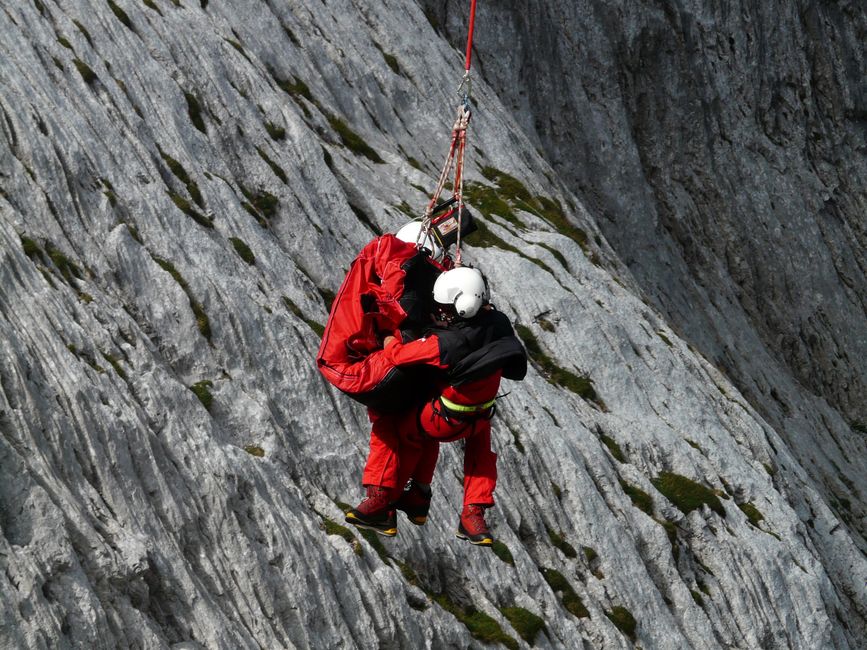
The only option was an aerial extraction. LifeFlight pilot Tony Miller, with four decades of flying experience, was called in to perform a winch rescue — a task he later described as among the most demanding of his career.
Tight Margins and Changing Weather: The Aerial Challenge
"It was up there with one of the most challenging land missions I've ever had," Miller said of the Mount Walsh operation. His helicopter had to descend into the treeline and carefully manoeuvre into a tight ravine surrounded by dense vegetation before the medical team could be lowered to reach Suzanne.
"There was a high degree of difficulty for sure, and very little room for error. Very tight margins," he said. Compounding the challenge, the crew had to monitor fuel levels while contending with low cloud, showers and rapidly changing weather conditions throughout the operation.
Ultimately, Suzanne was successfully winched to safety — an outcome that required the seamless coordination of ground crews, aerial teams and medical personnel working under extreme pressure.
The Expertise Behind Every Successful Rescue
Behind operations like these stands years of specialist training. Queensland Fire Department senior vertical and mountain rescue instructor Ben Carroll has spent years preparing crews for exactly these kinds of scenarios — working in difficult, dangerous terrain where no two rescues are the same.
Every operation demands contingency planning that accounts for shifting weather, unpredictable terrain and the physical limits of both rescuers and patients. As the frequency of Australians venturing into remote wilderness continues to grow, the demand placed on these expert teams — and the importance of hikers understanding the risks — has never been greater.
For those heading into the bush, the message from rescue professionals is clear: even experienced hikers can find themselves in life-threatening situations within seconds, and the operations that follow can stretch resources to their absolute limits. Learning about the lengths Australians will go to for a rescue is a reminder of how seriously these situations are taken across the country.