Australians are smoking at the lowest rates on record, but a sharp surge in the use of illicit tobacco products is alarming public health experts — with new national data showing the proportion of smokers turning to illegal tobacco has more than doubled in just a few years.
The findings come from the latest National Drug Strategy Household Survey, released by the Australian Institute of Health and Welfare (AIHW). More than 17,500 people aged 14 and over participated in the 2025 survey, which has tracked Australians' alcohol, tobacco and drug use for decades.
Smoking at Record Lows — But Illicit Tobacco Use Soars
Daily smoking has fallen dramatically over the long term. In 2001, nearly one in five Australians smoked every day. By the 2022–23 survey, that figure had dropped to 8.3 per cent. The latest results show it has fallen further still, to just 5.6 per cent — a historic low.
But running alongside that good news is a deeply concerning trend. The proportion of smokers using illicit tobacco has more than doubled, jumping from 16.7 per cent to 34 per cent. Nearly one in four smokers surveyed reported purchasing branded tobacco that lacked plain packaging or health warnings in the previous three months, while one in six reported using unbranded tobacco — including loose cigarettes sold in plastic bags.
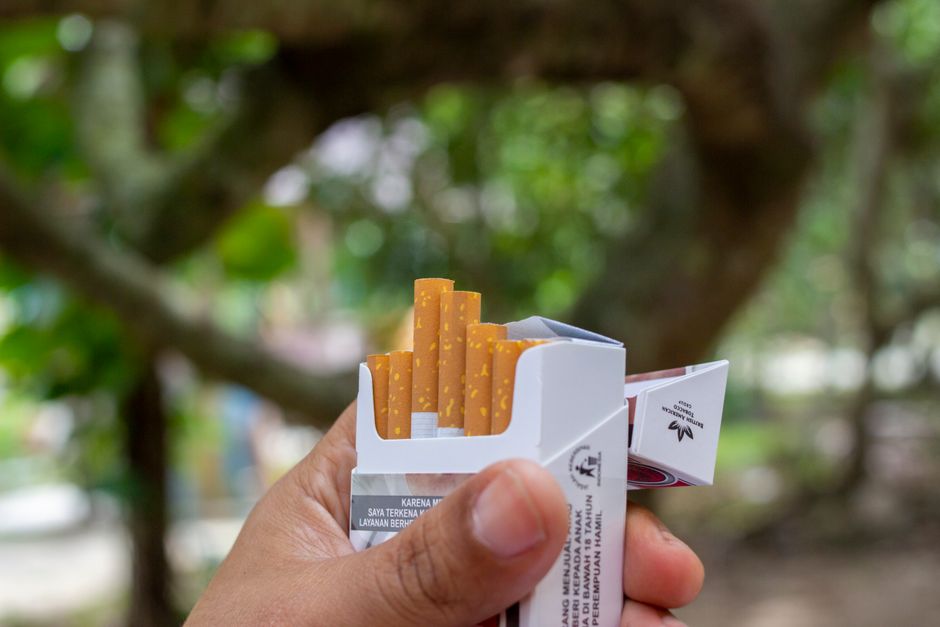
Of those who bought illicit branded tobacco products, more than half said they obtained them from a tobacconist. Under Australian law, all tobacco must be sold in plain packaging without logos or branding, and must display health warnings. Any product on which the applicable excise tax has not been paid is illegal.
A University of Sydney professor of public health with more than two decades of experience in tobacco control said she had been watching for this data amid what she described as an "explosion" in the availability of cheap tobacco. "We can see now that, absolutely, more smokers are using illicit tobacco products, and that's a huge concern to me," she said.
She pointed to two key drivers: price and accessibility. Legal tobacco prices have nearly tripled over the past decade, according to Australian Bureau of Statistics data, while the estimated cost of illicit tobacco has remained largely unchanged. "One of the key reasons people report that they quit smoking is always health impacts — but number two is price," she said. "If we have a significant portion of smokers getting around that price disincentive, those smokers may be less likely to quit."
Vaping Stabilises — With Some Positive Signs for Young Adults
On the vaping front, the picture is more mixed but generally cautious in its optimism. Daily use of e-cigarettes held relatively steady at 3.6 per cent, compared with 3.5 per cent in the prior survey — a levelling off after a significant rise from 1.1 per cent in 2019.
An AIHW spokesperson described the stabilisation as "one of the things that was more surprising" about the results. Experts were also encouraged by a broader decline in the overall proportion of people using e-cigarettes. Among young adults, daily vaping dipped from 9.3 per cent in 2022–23 to 8.3 per cent in 2025. Less frequent vaping showed an even steeper fall, dropping from 11.3 per cent to 5.8 per cent.
A New Concern: Multiple Nicotine Products at Once
The data also flagged a growing pattern of Australians using more than one nicotine product simultaneously — combining, for instance, traditional cigarettes with vapes or other nicotine delivery methods. Public health experts say this trend warrants close monitoring, as it complicates efforts to track consumption and design effective cessation strategies.
While the long-term decline in daily smoking represents a genuine public health achievement, authorities say the rapid rise in illicit tobacco uptake risks undermining decades of progress — particularly the price-based deterrents that have been central to Australia's tobacco control framework.