When Dolly Parton was first nominated for the Rock & Roll Hall of Fame in early 2022, she did something few artists would dare — she said no. The country music icon, who passed away recently aged 80, turned down the nomination with characteristic grace, insisting she simply hadn't earned the right. What followed was a remarkable final chapter that proved her instincts wrong — and her talent anything but.
The nomination Dolly Parton declined — and why she changed her mind
Posting to her millions of Instagram followers at the time, Parton described herself as "flattered and grateful" but said she must "respectfully bow out." She did, however, leave a tantalising promise in her message: if the honour ever came around again and she felt truly worthy, she would mark the occasion by recording what she called a "hopefully great rock'n'roll album."
Parton eventually reconsidered after learning how broadly the Hall of Fame had come to define rock and roll. The 2022 inductee class included Eminem and Lionel Richie — hardly traditional rock figures — and that context appeared to shift her thinking. She accepted, took the stage at the induction ceremony, and delivered a performance that would set in motion the most commercially successful album of her later career.
A star-studded night that sparked Rockstar
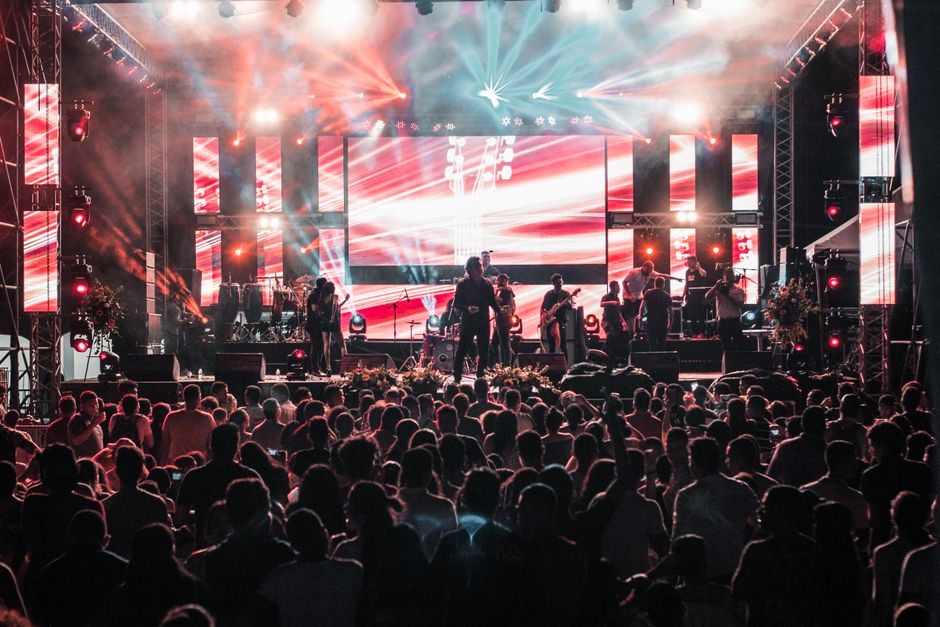
Parton's Hall of Fame performance was nothing short of spectacular, featuring an ensemble cast that included the Zac Brown Band, Judas Priest frontman Rob Halford, Duran Duran's Simon Le Bon, Pink and Sheryl Crow. Just two months later, she announced that her promised rock record was real and incoming — Rockstar would arrive in November 2023, barely 18 months after her original Instagram pledge.
The album blended original material with guest-heavy covers of classic rock staples, and the result was an instant commercial hit. It reached No.3 on the US Billboard Top 200 and No.16 in Australia — the highest chart positions of her then-77-year-old career. The guest list read like a who's who of rock royalty: Sting, Elton John and Stevie Nicks all featured, while Parton pulled off the remarkable feat of reuniting Ringo Starr and Paul McCartney on her own version of the Beatles classic Let It Be.
One personal highlight involved Bob Seger's 1976 hit Night Moves. When Seger himself was unavailable, Parton recruited Chris Stapleton — a choice she reportedly considered her favourite collaboration on the record.
A final song and a legacy that kept growing
The last track released under Parton's name was a version of Lynyrd Skynyrd's Free Bird, featuring the archived vocal of Skynyrd frontman Ronnie Van Zant — who died in the band's notorious 1977 plane crash — alongside guitarist Gary Rossington, who reprised his iconic solo and helped push the track beyond the original's nine-minute runtime. Rossington, the last surviving founding member of the southern rock legends, died himself not long after contributing to the recording.
Parton's hunger for collaboration never dimmed. She appeared on Beyoncé's genre-defying Cowboy Carter in 2024 and recorded a duet with pop star Sabrina Carpenter in 2025, demonstrating a rare ability to remain culturally relevant across generations.
Tributes pour in — even from an unlikely Hall of Fame classmate
Among those paying tribute following her death was Eminem, who shared a personal letter Parton had sent him after their joint Hall of Fame induction. "Even for a kid who mostly listened to rap music, she was an icon," he wrote — a sentiment that neatly encapsulated just how far her reach extended beyond the boundaries of any single genre.
Parton once doubted she was rock enough. The record she made to prove otherwise became the defining statement of her final years. Her legacy continues to reverberate in ways even she might not have anticipated.