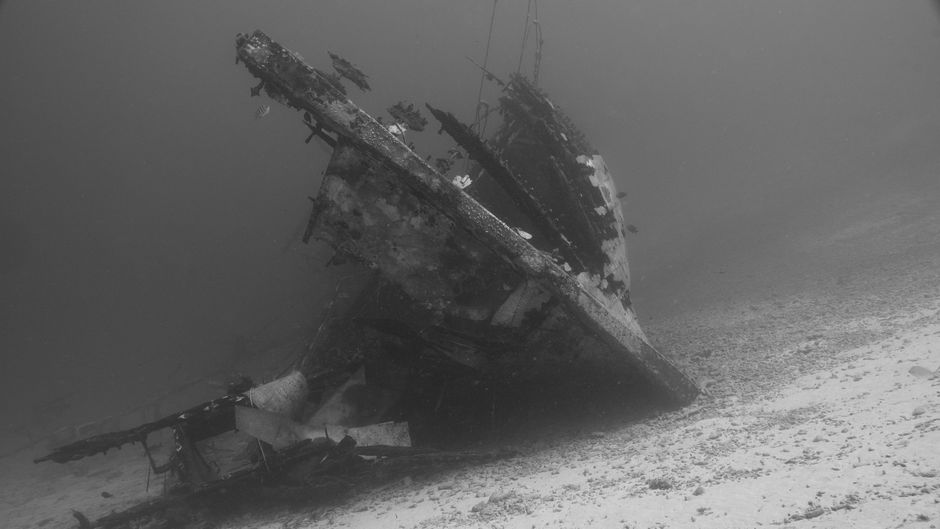
The wreck of HMCS Spitfire, widely regarded as the founding vessel of the modern Australian Navy, has been located off the coast of Far North Queensland after lying undiscovered for 128 years. In a remarkable coincidence, maritime archaeologists pinpointed the site on the exact anniversary of the day the ship sank, bringing to a close one of the country's longest-standing naval mysteries.
How HMCS Spitfire Was Found
The discovery was the result of a dedicated month-long expedition conducted by marine archaeologists working in collaboration with the crew of HMAS Diamantina. Divers from the vessel and maritime archaeology specialists made the breakthrough on 21 August, locating the 16-metre warship resting approximately 20 kilometres off the coast of Cape York.
Dr James Hunter from the Australian National Maritime Museum described the find as extraordinarily well preserved. "It's been untouched for 128 years," he said. "Everything is there and I think it's a wreck site that deserves to be studied." Archaeologists say the site's remote location likely contributed to its remarkable state of preservation over more than a century beneath the water.
The History of Australia's First Home-Built Warship
HMCS Spitfire was launched in 1855 at John Cuthbert's shipyard on Sydney Harbour, constructed specifically to patrol the New South Wales coastline during a period of heightened tension between Great Britain and Imperial Russia. That original purpose established the vessel's place as the starting point of Australia's naval story.
Over the following decades, the ship took on a range of roles. It served as a pilot vessel and buoy tender in Moreton Bay before being sold into private hands in 1885. Under private ownership, it was used for fishing operations, with the majority of its crew drawn from Aboriginal, Torres Strait Islander and Pacific Islander communities. After roughly four decades of service in total, HMCS Spitfire sank during a fishing voyage, and its final resting place remained unknown until this year.
Chief of Navy Vice-Admiral Matthew Buckley said the warship held a singular significance in the nation's history. "For sailors today, this vessel represents the beginning of a story that continues in the Royal Australian Navy," he said. "The discovery, supported by the crew of HMAS Diamantina, helps connect Australians with our shared maritime heritage. It highlights the contribution generations of Australians have made to building and operating ships in service of the nation."
What Happens to the HMCS Spitfire Wreck Site Now
The site has been placed under the protection of the Underwater Cultural Heritage Act, ensuring the wreck and its surroundings are legally safeguarded from interference or disturbance. The remote location off Cape York presents logistical challenges for future research, but archaeologists have expressed a clear intention to return.
The team hopes further dives will yield additional insights into the vessel's final voyage and the lives of the largely Indigenous and Pacific Islander crew who worked aboard her in her later years. Those human stories, largely absent from official naval histories, are considered a significant part of what makes the site so valuable beyond its military heritage.
The find also adds to a broader pattern of underwater heritage discoveries drawing attention to Far North Queensland's coastline, a stretch of water that continues to surface unexpected connections to history. For the Australian National Maritime Museum and the Royal Australian Navy, the rediscovery of HMCS Spitfire represents not only an archaeological milestone but a chance to reframe the origins of the nation's seafaring identity.
"It's a wreck site that deserves to be studied," Dr Hunter said, echoing what researchers and naval historians now widely agree: after 128 years, Australia's first warship has finally come home.