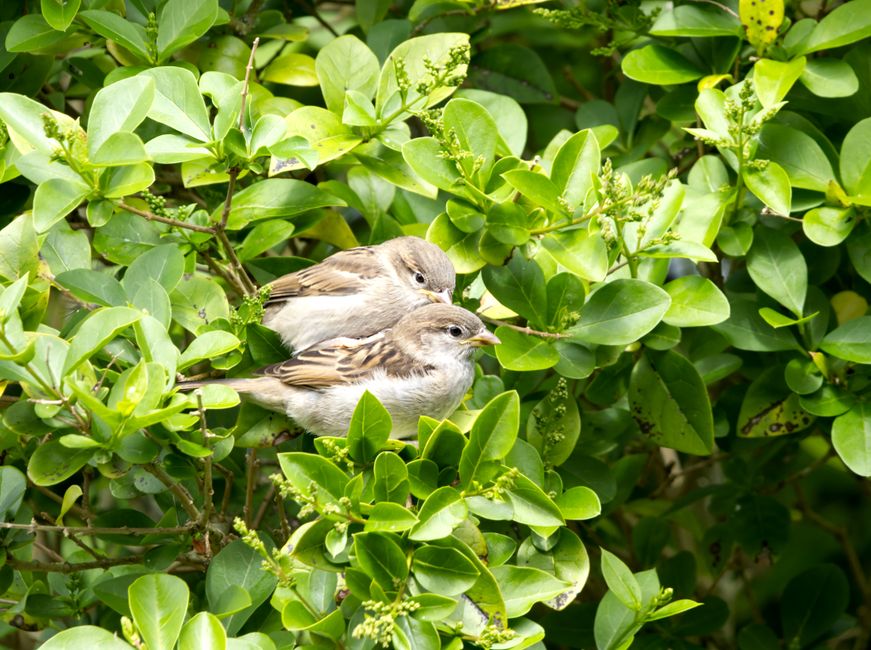
Scientists have discovered significantly elevated levels of PFAS chemicals in the blood of young house sparrows living near contaminated military and industrial sites in Melbourne's south-west, with birds at the RAAF Williams–Laverton base recording the highest concentrations of all locations tested.
The research, conducted by a team from Macquarie University in collaboration with the Environment Protection Authority, involved collecting blood samples from sparrow chicks at 16 known PFAS-contaminated sites across the region. The findings were published on July 7 in the journal Environmental Science and Technology.
What the PFAS research found
Researchers analysed samples drawn from birds living near a range of sites, including the RAAF Williams–Laverton base at Williams Landing, the Altona Wastewater Treatment Plant, and a chemical plant and oil refinery in Altona — all locations with documented histories of PFAS contamination.
The study found that average blood levels of the PFAS compound perfluorooctane sulfonate (PFOS) in the young sparrows were 10 times higher than levels measured in a comparable bird population at an uncontaminated rural site in Norway. Birds recorded at RAAF Williams–Laverton consistently posted the highest readings across all 16 locations tested.
Lead author Dr Max Gillings said the results, while notable, were not quite as severe as the team had anticipated given the sites' contamination histories.
"We did find highly elevated levels of PFAS in the blood of those birds," Dr Gillings said. He noted that part of the former RAAF base had since been rehabilitated and redeveloped into the residential suburb of Williams Landing, and that much of the team's sampling took place within that suburb.
Despite the elevated readings, Dr Gillings said the study did not uncover strong evidence of significant off-site contamination spreading into surrounding residential areas. The sparrows with the highest exposures appeared to be feeding primarily on insects within the restricted defence land itself, where legacy contamination remained present.
A legacy of firefighting foam at RAAF Williams–Laverton
PFAS-based firefighting foams were widely used by Australian fire services and military personnel from the 1950s through to the early 2000s. The RAAF Williams–Laverton facility had previously served as a major air force firefighting training site, making it a significant historical source of PFAS contamination in the region.
"The Department of Defence has been aware of the PFAS issue at this site for quite a long time," Dr Gillings said. "Prior to actually developing Williams Landing, they did conduct quite an extensive rehabilitation of the contaminated areas that they were converting into these residential environments."
He said the data clearly indicated that legacy contamination persisted on the private military sections of the base. "What our data does tell us is, certainly, that if sparrows are feeding from areas on these bases — so, private military areas, essentially — that there still is legacy contamination in those areas," he said.
Department of Defence response and resident risk
The Department of Defence maintains a dedicated web presence addressing PFAS management at both RAAF Williams–Laverton and its nearby Point Cook base. Defence investigations have previously found that PFAS contamination spread into parts of the Williams Landing suburb during redevelopment activities, and the department has identified eating homegrown fruit and vegetables on former Defence land as a potential elevated health risk for residents.
However, in a statement, a Defence spokesperson indicated that overall risk to residents remained minimal, noting that a Human Health Risk Assessment had been conducted for the site as part of broader contamination investigations.
The suburban context adds a layer of community concern to the scientific findings. RAAF Williams–Laverton is now directly bordered by the established residential neighbourhood of Williams Landing, meaning ongoing contamination on the restricted military portions of the base sits in close proximity to homes, schools and everyday community life.
What the findings mean for urban wildlife monitoring
The use of house sparrows as a sentinel species offers researchers a practical tool for tracking environmental contamination in urban and peri-urban areas. Because sparrows forage close to where they nest and feed their chicks on locally sourced insects, their blood chemistry provides a relatively precise geographic snapshot of PFAS exposure in a given area.
The Macquarie University team's approach of sampling across 16 distinct sites allowed for meaningful comparison between locations and helped isolate where the heaviest contamination burdens remain. Researchers say the data strengthens the case for continued monitoring of legacy PFAS sites, particularly where military land use and residential development intersect.
Levels found at sparrow populations several times higher than those recorded elsewhere in Melbourne underscores that while rehabilitation efforts at some sites have had measurable effect, the remediation work is not yet complete — and the wildlife living within those boundaries continues to carry the chemical legacy of decades of firefighting foam use.