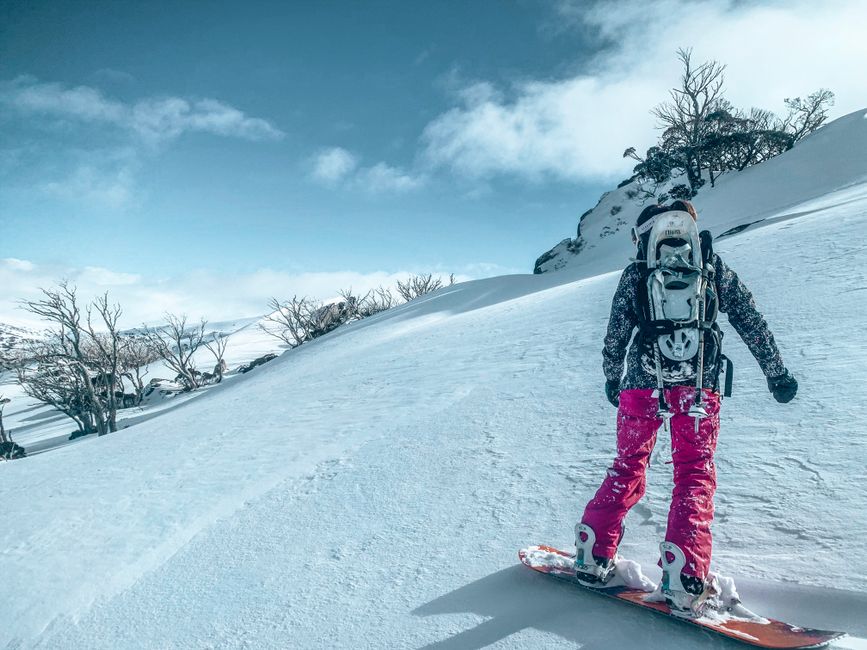
Australian Alpine Snowboard National Team member Harvey Edmanson says his career may not be sustainable if domestic snow conditions continue to deteriorate, after Australian ski resorts endured one of the hottest winters on record. The 27-year-old Melbourne-based athlete, who funds his own training while working as a façade designer, warns the crisis extends well beyond his personal situation — threatening an entire generation of aspiring snow sports competitors.
A season cut short
Edmanson typically targets a training window running from early July through to late September each year, focusing primarily on Mount Buller in Victoria and making additional trips to the Perisher and Thredbo resorts in New South Wales. This year, that window was dramatically compressed — his start was delayed by three weeks, and he was forced to wrap up training in late August rather than September.
"It makes it hard when I miss out on over a month of training," he said, adding bluntly: "If I don't have snow and training opportunities in Australia, it's going to make it really hard to continue."
The problems weren't limited to the shortened calendar. High-level snow sports training requires a dedicated, sectioned-off section of slope where racing conditions can be replicated. Ski resorts are ordinarily willing to accommodate this, but this year's thin snow coverage left insufficient terrain with adequate depth. "When there's only limited snow and limited run hill space, then it's not possible," Edmanson said.
Why this winter was so unusually dry
Climate specialists point to a combination of atmospheric factors behind the historically poor season. A Bureau of Meteorology spokesperson explained that prolonged high-pressure systems sitting over the Tasman Sea during winter diverted warmer air from the north across south-eastern Australia, suppressing the cold conditions needed for snowfall.
A senior lecturer in climate science at the University of Melbourne described it simply: the big Antarctic cold fronts that typically deliver significant snowfall to Australian alpine regions arrived far less frequently than usual this winter. Meanwhile, an associate professor in ecology and genomics at the University of Canberra noted that while many variables influence how much snow accumulates in the mountains in any given year, the broader trend lines are cause for concern. Experts stress not every season will be this lean — but they caution against interpreting that as reassurance.
Young athletes bearing the heaviest burden
Edmanson runs a development program for up-and-coming snow sports competitors, and he says the squeeze on training time is being felt most acutely by younger athletes who cannot yet travel overseas to supplement their preparation. Many are still at school and need to balance study with training commitments — a reality Edmanson knows well, having not competed internationally himself until after he finished school.
"The most important part of my training and development all happened in Australia," he said. "It's really scary that there's a lot of young athletes that might not have that opportunity."
Established athletes facing the same constraints have begun bypassing Australia's off-season altogether, heading straight overseas for training. Edmanson cannot follow suit — he needs to keep working, and joked that he "can't commute to New Zealand."
Olympic momentum at risk
The concern comes despite a surge of national pride in Australian snow sports following the Milano Cortina Winter Olympics, where the Australian team claimed a record three gold medals, two silvers and one bronze — the country's best Winter Olympics haul. Edmanson says maintaining that momentum depends on nurturing the next wave of talent at home, giving young athletes "that opportunity from riding at home" before they are ready to compete on the world stage.
Without reliable domestic snow seasons, he warns, the pipeline of future champions could run dry — no matter how impressive the results look right now on the medals tally.