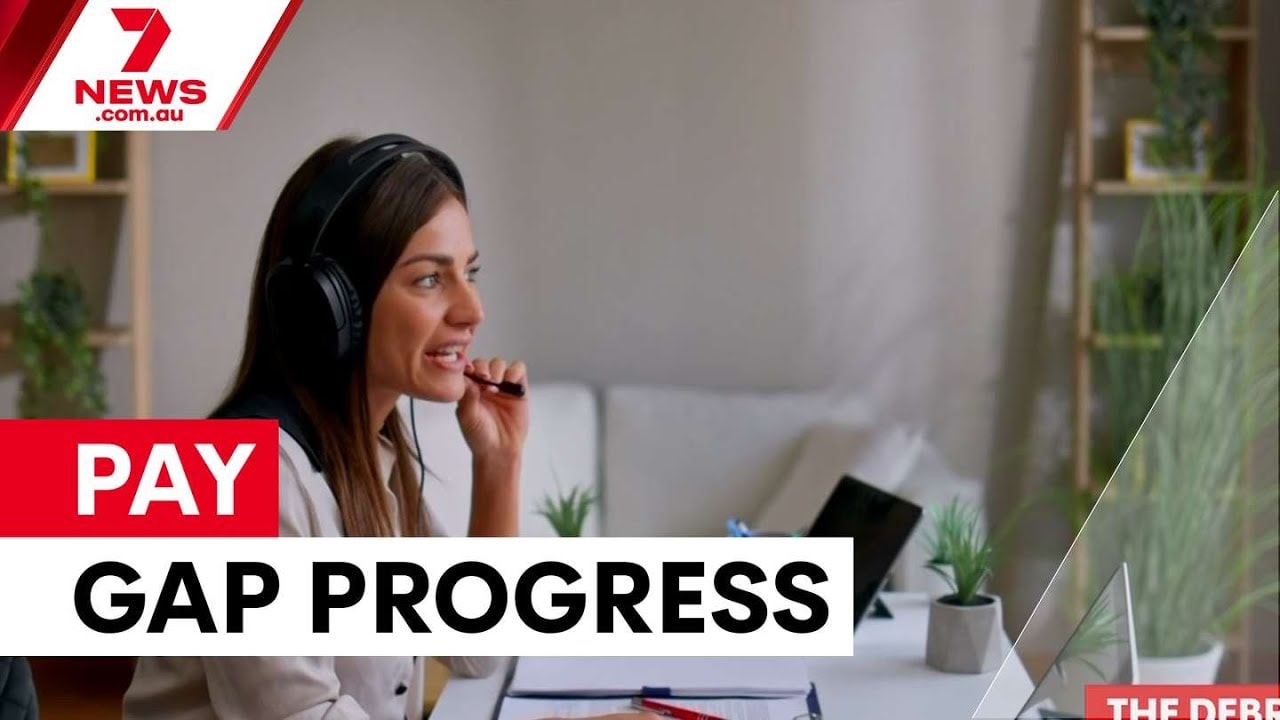
New data shows small progress on pay equity while Victoria moves to enshrine work-from-home rights
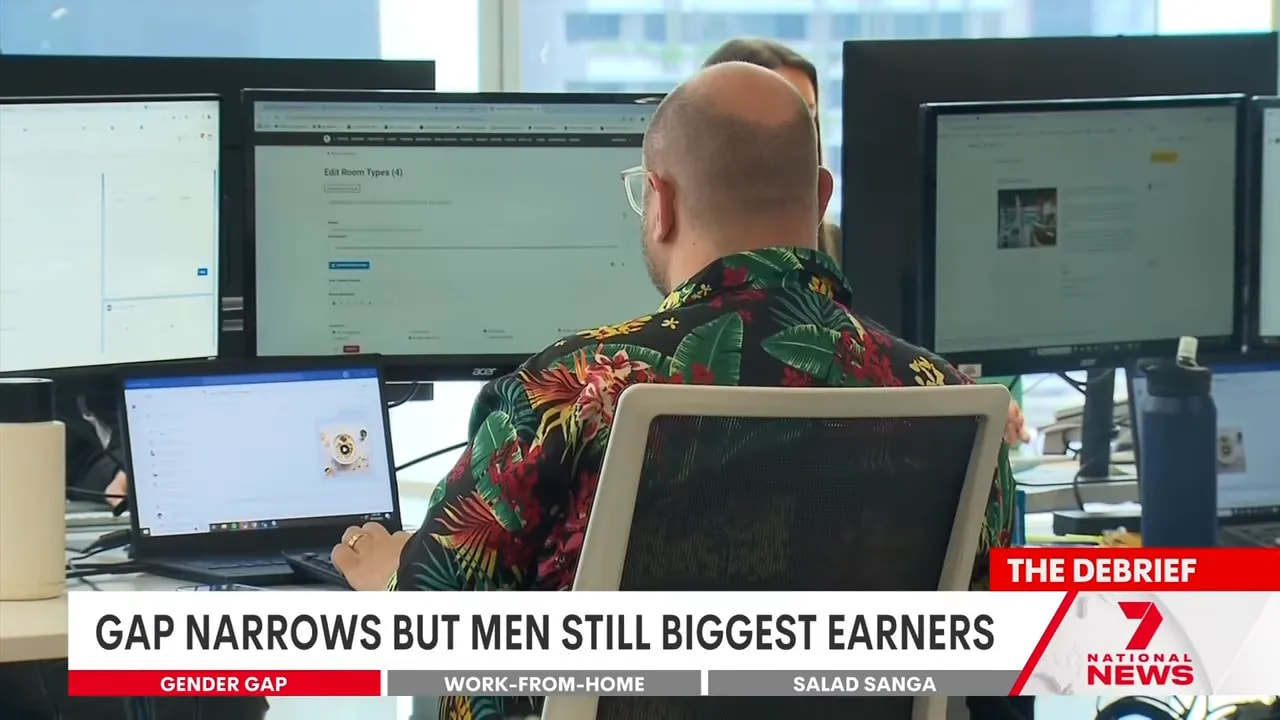
Gender pay gap data released by the Workplace Gender Equality Agency (WGEA) shows the gap has closed by just under 1 per cent, driven largely by wage gains at lower-income levels where women are overrepresented. The overall headline improvement masks persistent inequality in high-paying sectors and a lack of women in senior leadership roles.
The WGEA dataset covers about 10,000 employers and 5.9 million Australians, giving a rare national snapshot of pay patterns and workplace composition. While the modest fall in the gap is welcome, experts say the next step is improving representation at management and executive levels.
Where the improvements came from — and why they matter
Most of the recent gains occurred among lower-income workers. Employers lifting base-level wages or hiring more women into entry and junior roles has a measurable flow-on effect to the national figures. That helps close the gap numerically, but it doesn’t solve long-term structural imbalance.
High-paying industries — particularly banking and airlines — still show the largest pay gaps because senior roles remain heavily male-dominated. Closing the gap sustainably requires targeted action on recruitment, promotion and retention of women into supervisory and executive tracks.
Victoria’s new work-from-home plan — what it says
The Victorian government has moved to enshrine a legal right to work from home for two days a week, and small businesses will not be exempt. The policy followed the state’s largest-ever survey of 37,000 respondents, where 75 per cent said remote work is extremely important to them.
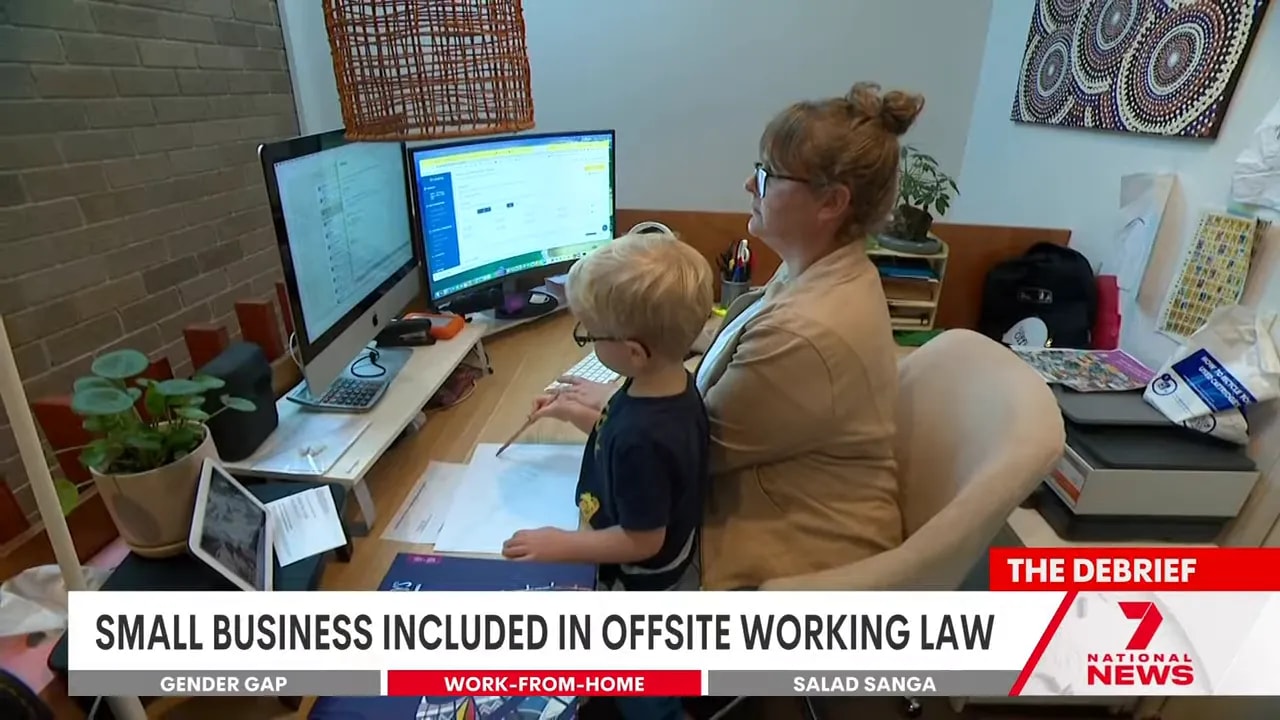
There are key caveats: the right applies only where the role is suitable for remote work, and it does not apply to workers on probation, who may be required to attend the workplace full time. Proponents argue the policy boosts employee satisfaction and productivity; critics warn about one-size-fits-all rules and the pressure on small operators.
Small business concerns and practical realities
Small business owners say rising overheads and tight margins make mandated workplace rules difficult to absorb. Some fear losing flexibility; others want the choice to set arrangements that best suit their business model.
Where remote work is impossible — manufacturing, hospitality or many retail roles — a legislative requirement can create friction. The state government points to strong public support as justification, while business groups call for tailored approaches rather than blanket mandates.
How employers and policymakers can close the gap
Improving gender pay equity is a long-game project that goes beyond pay increases at the bottom end. The most effective measures tend to be structural:
- Invest in talent pipelines: cadet programs, apprenticeships and entry-level recruitment targeted at underrepresented groups.
- Focus on promotion pathways: transparent criteria for advancement and sponsorship of high-potential women into leadership roles.
- Regular reporting and transparency: continue publishing industry-level data so employers and the public can track progress.
- Flexible career design: roles that enable part-time senior responsibilities, job-sharing and return-to-work programs after parental leave.
What this means for workers
For employees, the narrowing gap signals modest progress but also underlines the importance of career development and advocacy. Workers in lower-paid roles have experienced wage growth, but those aiming for parity must see equivalent access to training and promotion.
Victorian workers should note the probation exclusion and the requirement that the role be suitable for remote work — the new right is meaningful for many but not universal.
Key takeaways
- WGEA reports a near 1 per cent narrowing of the gender pay gap, driven largely by gains among lower-income earners.
- High-paying sectors like banking and airlines remain unequal due to male-dominated senior roles.
- Victoria plans to enshrine two days of remote work — small businesses included — with exceptions for unsuitable roles and probationary staff.
- Sustained progress depends on structural workplace changes: pipelines, promotions and transparency.

FAQs
What did the WGEA data show about the gender pay gap?
The WGEA found the gender pay gap narrowed by just under 1 per cent, with improvements concentrated among lower-income workers where women are overrepresented. The dataset covers around 10,000 employers and 5.9 million workers.Why do high-paying industries still have large gaps?
Sectors such as banking and airlines have more men in senior and executive positions. Pay inequality there reflects underrepresentation in leadership rather than base wages alone.What does Victoria’s work-from-home law require?
Victoria intends to enshrine a right to work from home two days a week for roles where remote work is feasible. Small businesses are included, but probationary employees and roles unsuitable for remote work are excluded.Will small businesses be forced to comply?
Yes — the current plan includes small businesses. That has prompted concerns from owners about operational feasibility, while the government points to strong public support for flexible work rights.How can employers help close the gap?
Employers can prioritise transparent promotion pathways, invest in early-career development for women, implement flexible senior roles, and publish gender-disaggregated pay data to track progress.The information in this article has been adapted from mainstream news sources and video reports published on official channels. Watch the full video here Gender pay gap narrows as Victoria mandates work-from-home rights | 7NEWS