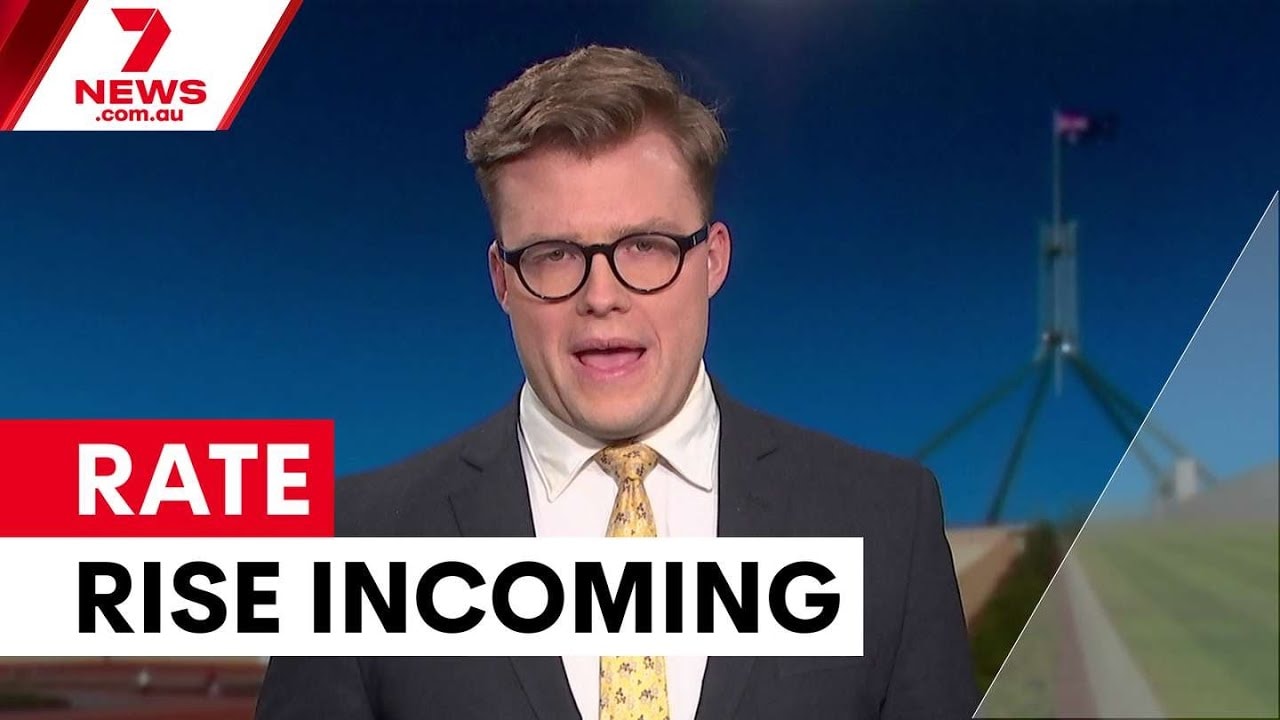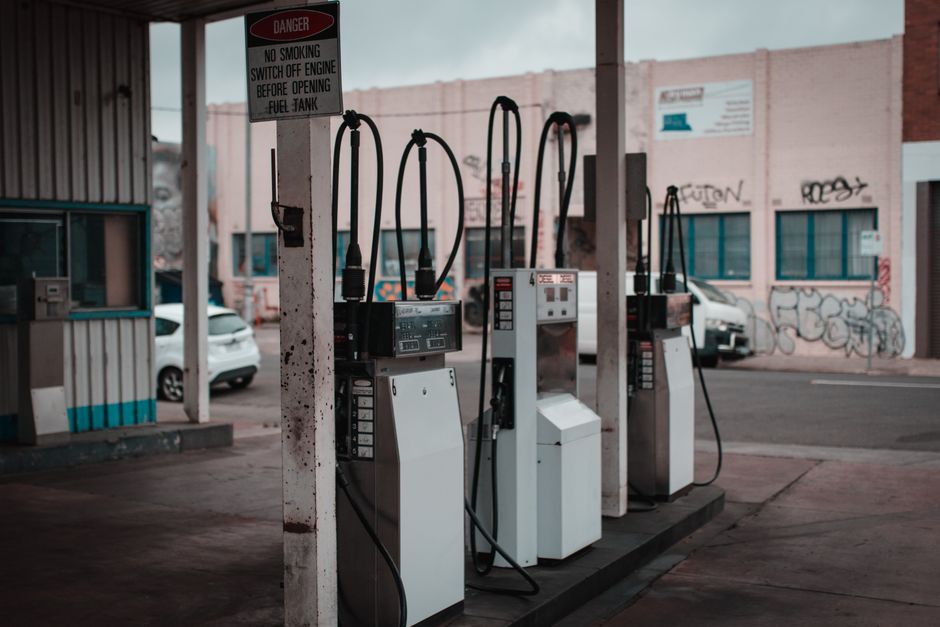
Australians are being warned to brace for a sharp rise in petrol prices as global oil markets face mounting pressure from the ongoing Middle East crisis — and an energy expert says the federal government would be committing "political suicide" if it allows fuel tax relief to expire while the situation remains unresolved.
Institute for Integrated Economic Research Australia chair John Blackburn has urged Canberra to extend its temporary fuel excise discount beyond its scheduled early-August expiry date, warning that scrapping it now would be a serious miscalculation given the volatility gripping international energy markets.
Emergency Oil Reserves Running Out — and Prices Are Set to Rise
According to Blackburn, the relative stability in fuel prices seen in recent months has been propped up by a significant emergency release of oil stocks by member countries of the International Energy Agency. Around 400 million barrels were released into global markets from strategic reserves — but that buffer is nearly exhausted.
"The end of those stocks is probably the end of this month, which means prices will most likely go up because, with the chaos in the Middle East, there's no ceasefire. There's no resolution," Blackburn said.
Analysts in Europe and the United States are now forecasting that oil prices could climb beyond $US100 a barrel, with some projections reaching as high as $US110 depending on how the crisis develops and whether China re-enters the market as a significant buyer. China has been drawing down its own strategic reserves in recent months rather than purchasing on the open market. For context, oil prices already peaked at close to $US120 a barrel in April 2026.
The flow-on effects, Blackburn warned, would reach well beyond the petrol bowser — with fertilisers, chemicals and a range of other industries all dependent on oil facing their own cost pressures. Australians concerned about the broader fuel crisis risks facing the country have been raising alarms for some time.
Strait of Hormuz: 'A Confused Mess' Despite Trump's Announcements
The trigger for much of the market anxiety has been escalating tensions around the Strait of Hormuz, the critical waterway through which a significant portion of the world's oil supply passes. While US President Donald Trump reversed a threat to blockade the strait and impose a 20 per cent tariff on cargo passing through it, Blackburn said the reversal had done little to resolve the underlying crisis.
Although Trump announced that ships — excluding Iranian vessels — would again be permitted to transit the strait, Iran had separately declared the waterway closed and continued attacking commercial shipping. Blackburn said the practical reality made commercial navigation through the corridor virtually impossible.
"You're not going to get insurance for those large ships coming through there with this impasse that's going on," he said. "Essentially, Trump's chaotic announcements in the last 24 hours show it's just a confused mess — there is nothing resolved, the problem is as it was last week."
When asked whether Trump's statements were disingenuous, Blackburn was blunt: "That's normal for Trump. You've got an erratic man in charge of one of the most powerful militaries in the world, and we're seeing the symptoms of that."
Pressure Mounts on Government Over Fuel Excise Relief
With petrol prices widely expected to climb further in coming weeks, attention is turning to what Canberra will do about the temporary fuel excise discount currently in place. Blackburn's warning that removing it would amount to political suicide reflects the acute sensitivity around cost-of-living pressures facing Australian households.
The discount is currently scheduled to lapse in early August — a timeline that would coincide almost exactly with the point at which emergency oil reserves dry up and market prices are forecast to spike. Those tracking concerns about fuel supply and affordability in Australia say the timing could not be worse.
With no ceasefire in sight in the Middle East and global oil supply chains under serious strain, the coming weeks are shaping up as a critical test for both international energy markets and domestic fuel policy.