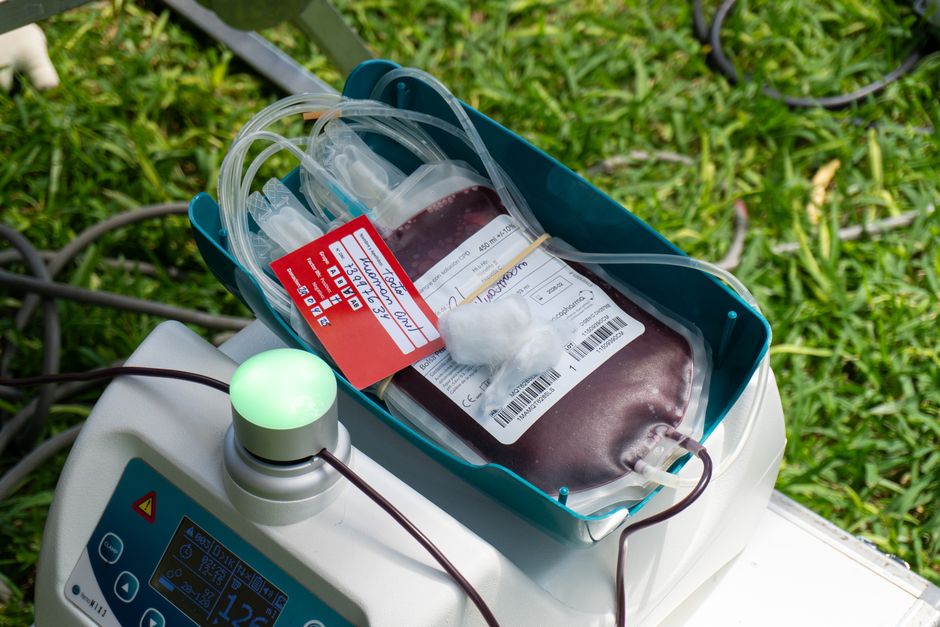
Three regional blood banks in France had their cold storage monitoring systems compromised in a cyber attack that struck overnight between Sunday and Monday, as hackers simultaneously tampered with refrigeration units at supermarkets across eight European countries. No blood supplies were lost in the incident, but the coordinated nature of the attacks has intensified concern about vulnerabilities in connected infrastructure across the continent.
What Happened at the French Blood Banks
France's health ministry confirmed that several regional facilities of the French Blood Establishment (EFS) were caught up in a cybersecurity incident that disrupted cold storage room monitoring and control systems. The ministry said the situation was under control by Wednesday and that remote access to the affected refrigerators had since been disabled.
An EFS spokesperson said the attack had no impact on blood supplies, crediting around-the-clock staffing at the facilities. Staff on duty received automated alerts about the problem and acted quickly to move stored blood into unconnected refrigerators before any damage could occur.
"We have staff round the clock since blood can be needed at any time," the spokesperson said. "They were warned about the problems by alerts and moved the blood to other refrigerators that were not connected."
Investigations are ongoing into exactly how the attack was carried out, which equipment was affected, and when systems can safely be brought back online. No group or individual has yet been identified as responsible.
Supermarkets Across Europe Also Targeted
The blood bank attacks were not isolated. Around the same time hackers were targeting medical cold storage in France, refrigeration systems at supermarkets in eight European countries, spanning Sweden to Belgium, were also compromised. Retailers were forced to discard large quantities of food as a result.
The incident bears a strong resemblance to a separate attack that took place in France roughly three weeks earlier, in which police reported that hackers seized control of cooling units at hundreds of supermarkets, causing fires and significant food losses. The pattern suggests a deliberate and escalating campaign targeting connected refrigeration infrastructure rather than a series of unrelated intrusions.
The scale and coordination of both waves of attacks have drawn the attention of European Union officials, who are growing increasingly concerned about the security of so-called connected infrastructure, including systems that were not traditionally considered high-value targets for cybercriminals.
Broader Concerns About Connected Infrastructure Security
The incidents have shone a light on what security experts describe as unsuspected vulnerabilities in everyday connected systems. Refrigeration monitoring technology, which allows operators to track and control temperatures remotely, has become widespread in both medical and retail settings. That connectivity, while operationally convenient, creates potential entry points for malicious actors.
Concerns about such vulnerabilities have grown significantly across Europe since Russia's full-scale invasion of Ukraine in 2022, with governments and security agencies increasingly wary of attacks on civilian infrastructure. The idea that hospitals, blood banks and food retailers could be disrupted through their climate-control systems rather than their core networks reflects a broadening of the threat landscape.
The convergence of attacks on both medical and commercial cold storage in a single overnight window raises questions about whether the incidents were carried out by the same actors using the same methods. Investigators have not yet confirmed a link, but the timing and similar techniques have not gone unnoticed.
This kind of threat to networked physical systems echoes themes that technologists and security researchers have been raising for years, as more infrastructure becomes digitally managed and remotely accessible. The risks associated with that connectivity, once largely theoretical, are now playing out in real time across European supply chains and health systems.
What Comes Next
French authorities and the EFS are continuing their investigation into the blood bank attacks, with a focus on identifying the attack vector and assessing what other systems may remain at risk. The health ministry has not indicated a timeline for restoring normal operations to the affected cold storage facilities.
For now, blood supplies remain unaffected and the EFS says patient care has not been disrupted. The swift response by on-site staff, who physically moved stored blood before temperatures could be compromised, is being credited with preventing what could have been a serious public health incident.
The supermarket attacks across Europe are also under investigation, though no arrests have been reported and no organisation has claimed responsibility for either wave of incidents. European authorities are expected to coordinate their inquiries given the cross-border nature of the retail refrigeration attacks.
As institutions across the continent reassess the security of their connected systems, the French blood bank incident serves as a sharp reminder that critical services now depend on digital infrastructure that extends well beyond traditional IT networks. For medical facilities in particular, the stakes of a successful attack could not be higher.

