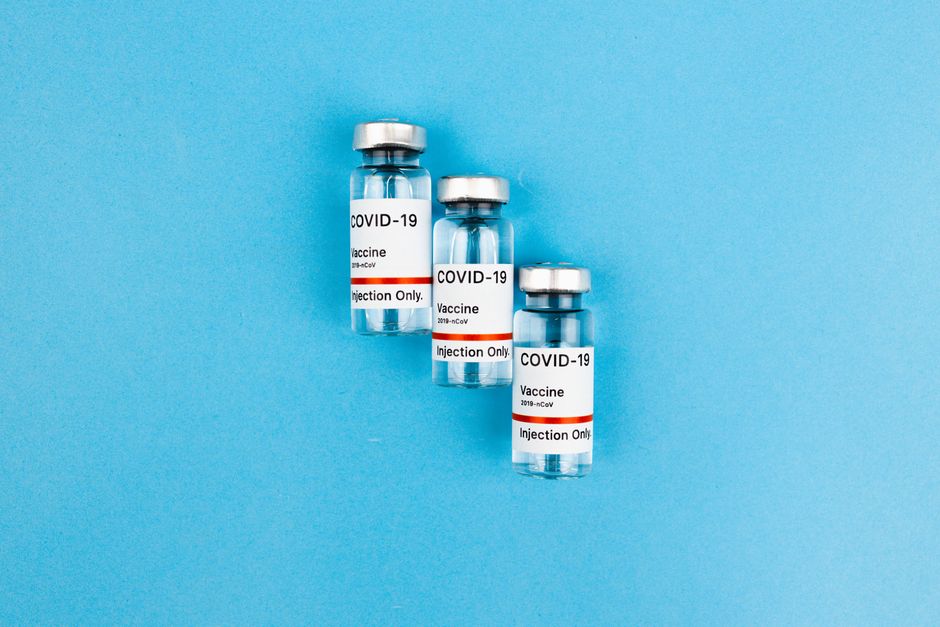
Millions of Australians who have received free COVID-19 vaccines throughout the pandemic are about to face an out-of-pocket cost for the first time, with experts warning the change could discourage some people who still stand to benefit from vaccination. From 1 October, COVID-19 vaccines will transition into the routine National Immunisation Program (NIP), bringing an end to the dedicated pandemic vaccination program — and free access for those outside newly defined eligible groups.
The shift represents one of the most significant changes to Australia's deployment of COVID-19 vaccines since the program began, moving the country from emergency pandemic footing to a standard public health vaccination model.
Who Gets a Free Vaccine — and Who Pays?
Under the new arrangements, government-funded COVID-19 vaccination will be targeted at those considered most at risk of severe illness. Australians who fall outside these eligibility criteria will still be able to access the vaccine, but they will need to purchase it privately.
The problem, health experts say, is that no nationally set price exists for a privately purchased COVID-19 vaccine. The federal Department of Health has confirmed that private vaccine supply and pricing are commercial matters between manufacturers and providers, and that the government does not set or control prices in the private market.
The Pharmacy Guild of Australia has acknowledged it is too early to provide patients with a reliable cost estimate. "Without knowing the cost of buying the vaccine, it is impossible to provide a reliable indicative total cost to patients," a Guild spokesperson said, adding that individual pharmacies would set their own prices based on their purchasing costs and the cost of delivering the vaccination service.
Australia's approximately 6,000 community pharmacies are expected to continue offering COVID-19 vaccinations as a core service under the new model.
Experts Estimate Costs Could Reach $80
While no price has been formally confirmed, Royal Australian College of General Practitioners Public Health Special Interest Group chair Dr Peter Markey has estimated that privately purchased COVID-19 vaccines could cost anywhere between $30 and $80. He stressed the figure remains uncertain and encouraged Australians to shop around and compare prices between providers.
"Let's hope it's not going to be too much more than the regular seasonal flu vaccine," Markey said, signalling concern that a higher price point could put vaccination out of reach for some people.
The comparison to the flu vaccine is significant. Research through Australia's National Vaccine Insights Survey — which canvasses more than 2,000 adults annually — found that cost was cited as a barrier by roughly one in four people who reported difficulty accessing a flu vaccine. Professor Julie Leask, a public health expert at the University of Sydney's Infectious Diseases Institute, said similar dynamics could play out with COVID-19.
"An out-of-pocket COVID-19 vaccination could create a practical barrier for people who have to weigh the cost against other household expenses," Professor Leask said, while also expressing support for the broader move to normalise COVID-19 vaccination within the routine immunisation schedule.
A 'Grey Area' for Many Australians at Individual Risk
One of the more complex challenges in the new system is that government eligibility criteria may not capture everyone who could genuinely benefit from vaccination. Infectious diseases physician and clinical microbiologist Professor Paul Griffin warned there could be a substantial group of Australians sitting in a "grey area" — people who do not technically qualify for a funded vaccine but who carry individual risk factors that make vaccination advisable.
This group could include people living with chronic lung, heart or metabolic conditions such as diabetes, particularly where multiple health conditions are present simultaneously. Professor Griffin also pointed to healthcare workers and residential aged-care workers as people who may face elevated exposure to COVID-19 in their day-to-day roles, even if they do not automatically qualify for a funded dose.
Beyond those categories, people who live with someone at higher risk, frequent travellers, and those with concerns about long COVID-19 may also have good reasons to pursue vaccination outside the funded program, he said, recommending they discuss their individual circumstances with a healthcare provider.
Dr Markey echoed this view, reinforcing that ineligibility under the new NIP criteria does not necessarily mean a person has nothing to gain from being vaccinated.
What Australians Should Do Before October
With the transition less than a month away from taking effect, health experts are urging Australians to assess their own risk profile sooner rather than later. Those who believe they may benefit from a COVID-19 vaccine but are uncertain whether they will qualify for a funded dose are being encouraged to speak with their GP or pharmacist promptly.
For those who will need to pay privately, the advice is clear: prices will vary between providers, so comparing costs across local pharmacies is worthwhile. As cost-of-living pressures continue to affect household budgets, the prospect of an $80 vaccine fee is likely to prompt careful consideration — particularly for the many Australians who have come to see COVID-19 vaccination as a routine, no-cost health measure.
The broader question of whether price will meaningfully reduce vaccination rates among groups who could still benefit remains unanswered — and will likely only become clear once the new program is up and running in October.