Nearly four years after the 2022 River Murray flood devastated communities across South Australia, some affected families are still living in partially repaired homes — sleeping on fold-out couches and navigating a relentless search for tradespeople who simply do not show up. A critical shortage of skilled workers is being blamed for the prolonged ordeal, with national figures pointing to a 141,000-person skilled worker deficit across the country.
A Family Still Living Among the Damage
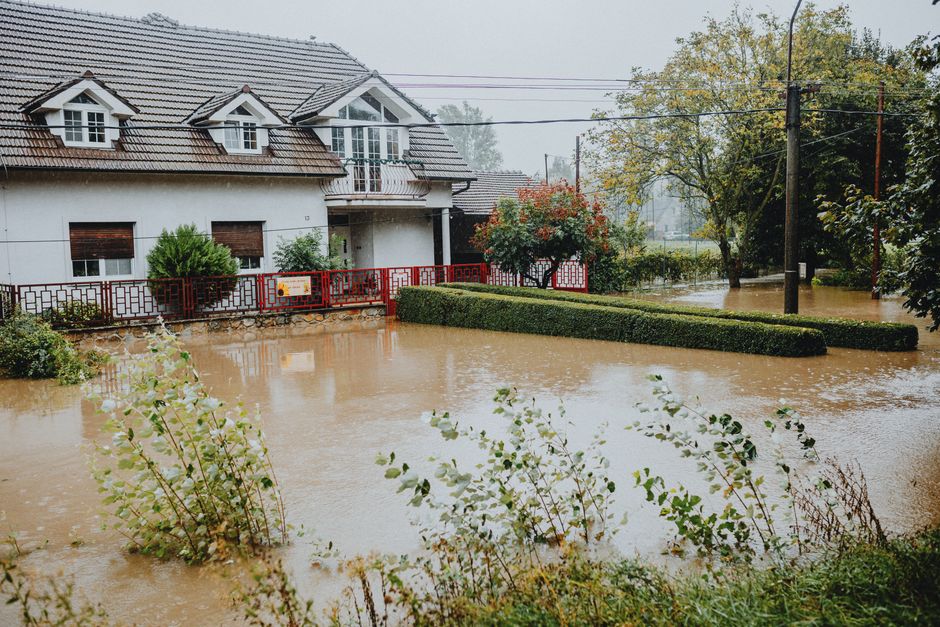
For Jamie Bruce, the flood that inundated the family's Morgan property in 2022 arrived just ten months after moving in. The floodwaters — peaking at 186 gigalitres per day — destroyed the lower level of the home, obliterating Jamie's bedroom and everything in it.
"I was just starting to decorate the walls and get things to a state where the space was me," Jamie said. "Then I watched my little dragons that were on the wall slowly disappear under the water."
Today, the bedroom remains unfinished. Jamie is still sleeping on a fold-out couch, and the family's staircase is being held up by two wooden panels. The event South Australia recorded as its third-largest River Murray flood has left a mark that time alone has not healed.
Jamie's mother, Kay Bruce, described the year that followed the disaster as "a nightmare." The family spent five of those months living out of a friend's large tin shed. "Thinking about that time now still brings tears to my eyes," she said.
The Search for Tradespeople: A Spreadsheet of Broken Promises
Frustrated by delays from their insurer in sourcing a tradesperson, the Bruce family took a payout and attempted to manage the rebuild themselves. What followed was years of unreturned phone calls, no-show contractors and unanswered quote requests.
"I've got a spreadsheet, and it shows just name after name after name," Ms Bruce said. After three years of self-managed project coordination, not one tradesperson had followed through and completed work on the property.
"I can't understand when people make arrangements to come and do work or make quotes and then just don't turn up, don't phone you, don't text you," she said.
Her husband, Rob Bruce, acknowledged the exhausting toll the process had taken, but noted the family's situation was not the worst among their community. "We have friends that lost their entire place and they're still in the caravan park whilst their houses are being built," he said. "We'd feel bad knowing that our place was all done and they're still in the caravan park waiting."
Rising Costs Add to the Pressure on Flood-Hit Families
Beyond the tradie shortage, the cost of rebuilding is surging. The cost to build a new home in South Australia has risen by almost 40 per cent since 2021, according to the Insurance Council of Australia. Roof tiles alone have increased by 77 per cent over the past five years, according to social policy, climate and international engagement manager Alix Pearce, who describes the trend as a growing national concern.
"We're seeing this rise in materials and labour costs," Ms Pearce said, adding that state and federal governments need to do more to increase investment in resilience and help build stronger homes.
Rob Bruce said the escalating costs were weighing heavily on the family's outlook. "It worries me that it's going to be a hit for us," he said.
The crisis facing communities on the Murray is not unlike the challenges seen after major flood events elsewhere — including the enormous flood rebuilding efforts that have stretched governments and communities globally in recent years.
Government Support in the Pipeline, But Gaps Remain
Both the South Australian and federal governments have committed funding aimed at easing the tradie shortage in regional areas — specifically to help cover travel costs for rural and regional apprentices who must travel long distances to reach work sites. The measure is designed to keep apprentices employed and support communities that cannot attract enough local skilled labour.
For the Bruce family, however, policy commitments offer little immediate comfort. After nearly four years of disrupted lives, unfinished rooms and mounting costs, they are still waiting for the moment their home — and their sense of normality — is finally restored.