FIFA's decision to suspend a one-match ban imposed on United States forward Folarin Balogun — following intervention by US President Donald Trump — has ignited fierce debate across the football world, with legal experts warning the move could set a "dangerous precedent" for the regulation of the global game.
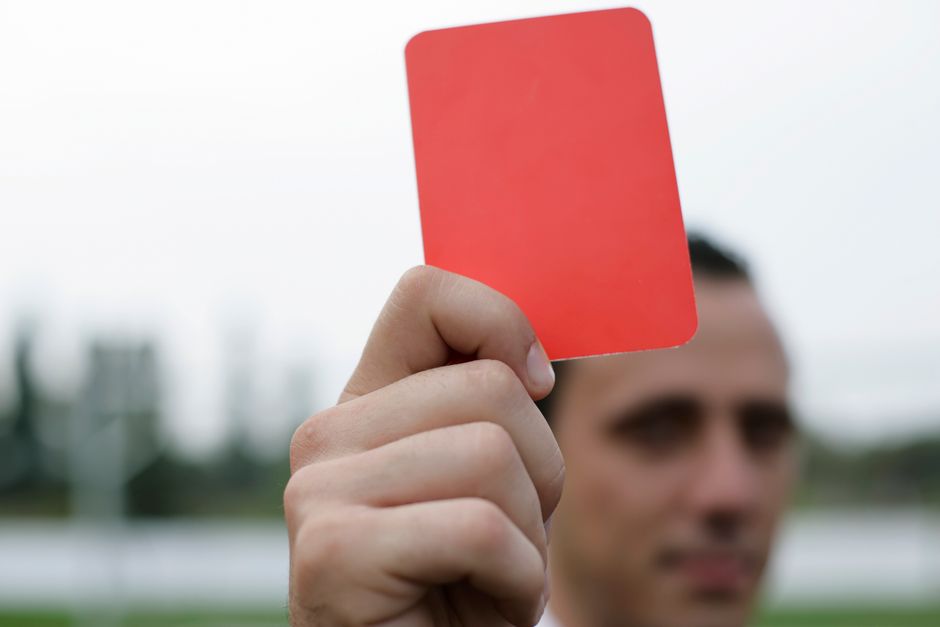
Balogun, the USA's leading scorer at the 2026 FIFA World Cup, had been set to miss his country's Round of 16 clash against Belgium after receiving a red card in the group stage match against Bosnia and Herzegovina. The dismissal triggered an automatic one-match suspension under FIFA's standard disciplinary rules. However, on Monday, FIFA announced the ban had been suspended for a year under Article 27 of its disciplinary code — a little-known provision that allows sanctions to be placed on probation for between one and four years.
Despite being available to play, Balogun could not prevent the USA from falling to a heavy 4-1 defeat to Belgium, ending the host nation's tournament at the first knockout stage.
Trump confirms he asked FIFA to review the decision
President Trump publicly confirmed he had contacted FIFA president Gianni Infantino to request a review of the red card, stating he did not believe it had been a foul. "He didn't do anything wrong and he is our best player," Trump told reporters. After FIFA announced the suspension of the ban, Trump described it as "a really brilliant decision."
The admission fuelled immediate accusations of political interference, with critics arguing that a sitting head of state had successfully lobbied football's global governing body to alter a disciplinary outcome in favour of the host nation's team — a charge both Trump and Infantino pushed back against.
Infantino defends independence of the process
FIFA's president denied that Trump's contact had influenced the outcome, insisting the matter had been handled entirely by an independent judicial panel. In a formal statement, Infantino said he had told Trump during their conversation that an ongoing legal process was already under way within FIFA's independent judicial bodies, and that it would be resolved by the appropriate authorities in due course. "That is how FIFA's system works, and it is a principle that I will always uphold," he said.
FIFA also stressed that the red card itself had not been overturned — only its immediate consequences suspended — and argued that reviewing the legal outcomes of red cards was not unusual in the modern game. Notably, Article 27 does not require FIFA to publicly explain its reasoning, and no formal justification was provided for the Balogun ruling.
Experts warn of lasting consequences for football governance
Sports law specialists have reacted with alarm. Professor Antoine Duval of the Asser Institute in the Netherlands described the decision as extraordinary and without precedent, saying FIFA had made "an exception to its own practice" that appeared designed to satisfy a powerful political figure.
"For the purpose of pleasing Donald Trump, and this is a problem in the context of an organisation that is supposed to regulate fairly and without any privileges being allocated to host countries or otherwise, global football," Professor Duval said.
He noted that while teams are not permitted to formally appeal red card decisions during a World Cup, the invocation of Article 27 in this context could open the door to similar requests in the future. The 2026 Trump–FIFA red card controversy could, he warned, fundamentally alter how disciplinary sanctions are applied at the sport's highest level — raising uncomfortable questions about whether the same flexibility would ever be extended to nations without comparable political influence.
With the controversy dominating discussion throughout the Belgium match and beyond, the episode has cast a long shadow over the remainder of the tournament.