Rap icon Eminem has been dealt a legal blow Down Under, losing a trademark dispute against a Sydney-based beachwear brand called Swim Shady after the Australian Trade Marks Office ruled this week that his registrations for the names "Shady" and "Shady Limited" should be restricted due to insufficient use in Australia.
The Ruling That Changed Everything for Swim Shady
Trademark adjudicator Benjamin Goldsworthy handed down his decision on Wednesday, finding that Eminem — born Marshall Mathers — had not exercised "actual control" over the sale of goods in Australia under the Shady trademark, as required by Australian law to maintain trademark protection. Because the relevant sales activity appeared to be conducted through his label or another associated business rather than the artist himself, the registrations could not be preserved in their current form.
As a consequence, Goldsworthy ordered that Eminem's Shady trademarks in Australia be restricted, clearing the path for Swim Shady to continue selling its range of beach merchandise and apparel without legal interference from the global music star.
A David v Goliath Fight Over a Brand Name
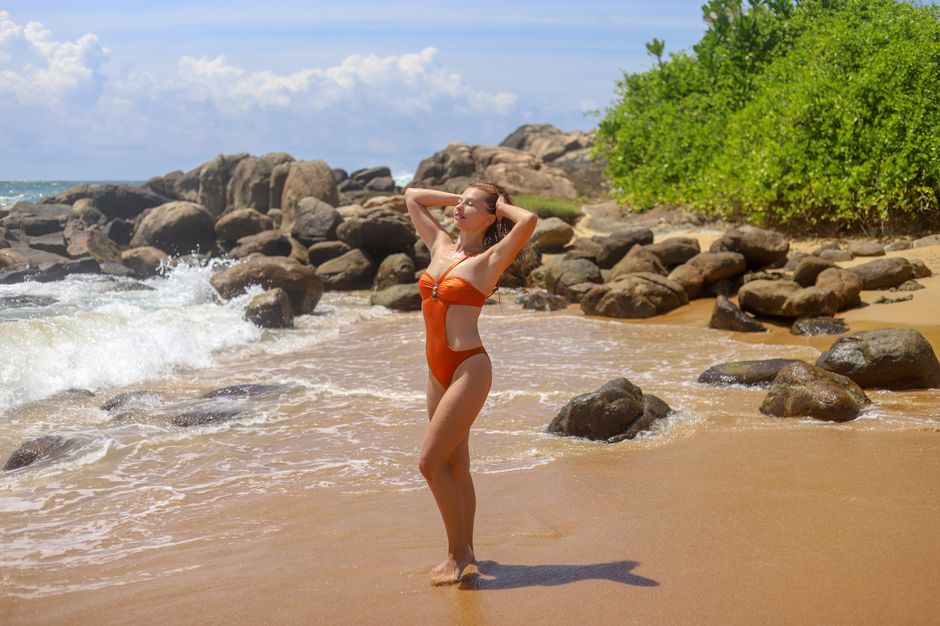
Swim Shady was founded in 2024 by Sydney couple Jeremy Scott and Elizabeth Afrakoff. The brand has grown quickly, now stocked through a network of more than 50 independent retailers and surf shops across Australia, including multiple locations in Western Australia.
The dispute began after Eminem's camp argued that Swim Shady was trading on the back of his internationally recognised alter ego, Slim Shady — a persona that has helped the rapper sell more than 200 million albums worldwide over a career spanning decades. He has also operated a streetwear label called Shady since the early 2000s.
The battle quickly drew comparisons to a classic underdog story. With one of the world's best-known entertainers on one side and a recently launched Australian beachwear startup on the other, the case was widely described as a "David v Goliath" contest. Swim Shady hit back by lodging its own application to have Eminem's two Australian trademarks removed entirely — a move that ultimately proved decisive.
Founders Celebrate — But Acknowledge More to Come
In a statement following the ruling, Scott said he and Afrakoff were "delighted" with the outcome.
"We're grateful for the careful consideration the Delegate has given to the evidence and are extremely pleased with the outcome," Scott said. "While this is an important milestone for Swim Shady, it is one step in the broader trade mark proceedings, and we recognise there are still matters to be resolved."
That measured tone signals the legal saga may not be entirely over. While the adjudicator's ruling represents a significant victory for the small Australian business, Scott acknowledged that further proceedings remain on foot, suggesting both sides could yet return to the trademark arena before the matter is fully settled.
What the Decision Means Going Forward
For Swim Shady, the immediate practical effect is the freedom to keep operating under its name and continue expanding its retail footprint across the country. The ruling underscores an important principle of Australian trademark law: that simply owning a registered trademark is not enough — the holder must be able to demonstrate genuine, controlled use of that mark within Australia to retain it.
For Eminem's team, the decision represents a rare setback for one of the music industry's most commercially powerful figures, raising questions about how international brands and celebrity trademarks are actively managed — and enforced — in overseas markets.