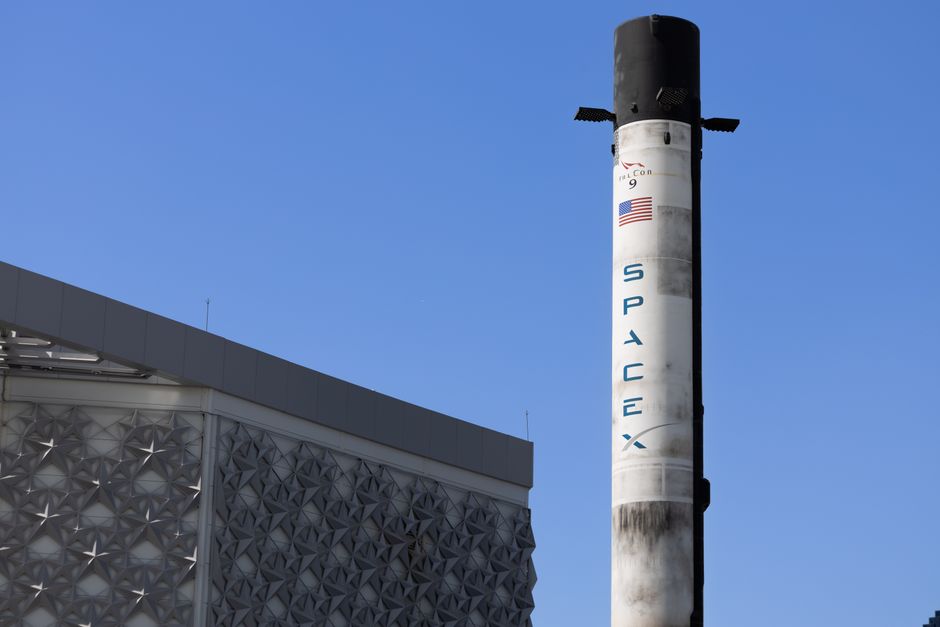
Billionaire entrepreneur Elon Musk has announced he intends to give every child in the United States one share in his rocket and technology company SpaceX, in a giveaway that could cost more than $US10 billion ($A14 billion). Musk made the pledge on his social media platform X on Monday, describing it as the first initiative of its kind, with more to follow.
What Musk Has Promised
Musk said the SpaceX share distribution would be his first such initiative "of many," though he offered no details on how the plan would actually be carried out. According to the most recent United States census data, there are just over 70 million people under the age of 18 in the country. At SpaceX's current trading price of below $US150 ($A215) per share, handing one share to each child would place the total cost of the giveaway well above $US10 billion.
Musk's personal fortune is currently estimated at more than $US900 billion ($A1.3 trillion), made up largely of holdings in SpaceX and electric vehicle maker Tesla, which he also leads.
What Triggered the Announcement
The pledge appears to have been prompted by a move from rival artificial intelligence company Anthropic, which announced over the weekend that it would place an initial 5 per cent of its shares into a fund designed to benefit the broader public. Musk responded directly to Anthropic on X, writing: "I recommend giving the shares directly to the public." His own announcement followed shortly after.
SpaceX is the parent company of Musk's AI venture xAI, which competes in a sector currently led by Anthropic and OpenAI, the organisation behind ChatGPT. Despite Musk's ambitions in artificial intelligence, SpaceX currently lags well behind both of those rivals in the AI space.
SpaceX's Valuation and Market Position
SpaceX shares initially surged after the company's stock market debut in June but have since retreated well below their peak of more than $US200 per share. The company's current market valuation sits at around $US1.9 trillion, a figure that analysts note far outstrips the relatively modest size of its core rocket business. That valuation is understood to reflect investor optimism about the company's future prospects in artificial intelligence rather than its present revenues.
Questions continue to swirl around whether that valuation is sustainable, particularly given SpaceX's current position in the AI race. For more on how the company's share price has tracked since listing, see our earlier coverage of SpaceX shares falling from their peak as AI market enthusiasm hits its limits.
What Happens Next
No timeline or mechanism for the share distribution has been announced. It remains unclear how Musk plans to identify and reach more than 70 million child recipients across the United States, or what regulatory hurdles such a giveaway might involve. Further details are expected to emerge as the plan develops.