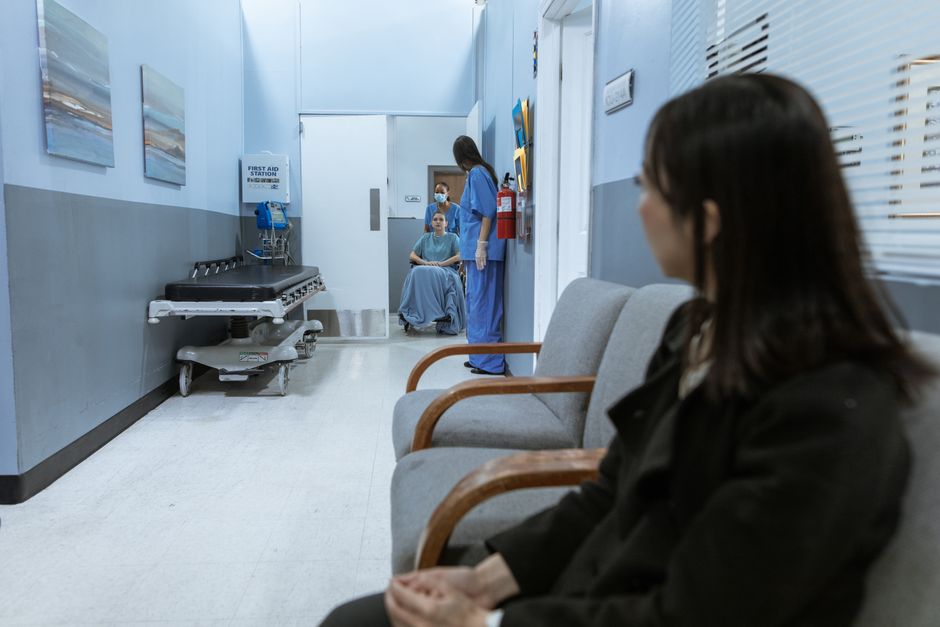
A Western Australian woman who was raped in 2008 waited more than eight hours — still wearing the clothes she had been assaulted in — before she could undergo a forensic medical examination, in an experience that advocates say reflects a systemic failure that continues to affect sexual assault survivors across the state to this day.
Angel Love Owens was 25 years old when a man raped her while she was asleep at a friend's house. Despite wanting nothing more than to shower, she drove herself to Rockingham Hospital, south of Perth, around 10.30am to report the crime and seek medical attention. She was told the hospital did not conduct forensic examinations, and police escorted her to Perth's Sexual Assault Resource Centre, where she was finally examined at around 6pm.
"I didn't get home until about eight o'clock at night, so this had been on me for 12 hours before I could have a shower," Owens said. "It felt like I was just walking evidence. And the lack of forensic expertise at the hospital meant that my medical and emotional care was significantly delayed."
What Is a Forensic Medical Examination and Why Does Timing Matter?
A forensic medical examination (FME) is a specialised procedure used to collect evidence following a sexual assault, including DNA samples and documentation of physical injuries. It also allows clinicians to check for health concerns, sexually transmitted diseases and pregnancy. Because it must be performed by a specially trained doctor or nurse, the results can be tendered as evidence in criminal prosecutions.
The time-sensitive nature of the examination means delays don't just affect a survivor's physical and emotional wellbeing — they can directly undermine the pursuit of justice. Long wait times may cause victim-survivors to abandon the process altogether, eroding the evidence base needed for court proceedings.
"It's a justice issue because we need it for the courts, but it's a health issue because we need to be able to access it in a timely manner," Owens said.
Regional WA Among the Worst Affected
Nearly two decades after Owens's experience, the situation in WA has changed little. A review by the WA Department of Justice, completed in December 2025, found that in regional areas — including Kalgoorlie — waits of six to 12 hours for a forensic examination are not uncommon due to a shortage of trained staff.
Survivors in those areas may be required to travel to Perth, where the state's only dedicated full-time forensic doctors are based, or wait at a local public hospital until a trained professional becomes available.
Campaign group Fair Agenda, which has been pushing WA authorities to reduce examination wait times, said the state government has fallen behind the rest of the country. The group's campaign manager, Daisy Gardener, said Fair Agenda had been attempting to secure a meeting with the state's health minister for two years without success.
"The Western Australian government is failing victim-survivors of sexual assault," Gardener said. "The only dedicated forensic examiner positions that exist in the whole state are in Perth."
Other States Have Already Invested — WA Lags Behind
The contrast with other Australian states is stark. South Australia committed $36 million to improve forensic examination access in its most recent budget, while Queensland allocated $56 million over four years in 2024 to boost capacity across that state.
WA's auditor general is currently assessing access to forensic medical examinations, with a report expected to be tabled by the end of 2026. Health Minister Meredith Hammat was contacted for comment but had not responded at the time of publication.
For Owens, the changes cannot come soon enough. Her account is a reminder that behind every gap in public health infrastructure is a human cost — hours spent waiting, unable to wash away trauma, while the system struggles to respond.
If you or someone you know is impacted by sexual assault, domestic or family violence, call 1800 737 732 or visit 1800RESPECT.org.au.