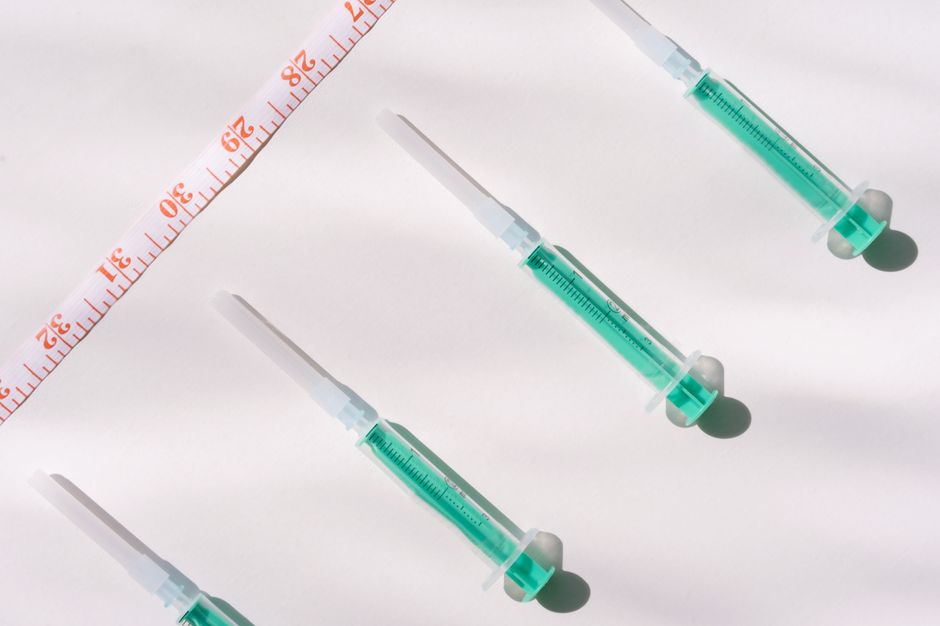
Australian doctors are raising serious concerns about a growing social media trend encouraging people to take tiny doses of weight-loss drugs like Ozempic — even when they have no medical need to do so. The so-called "microdosing" movement is gaining momentum online, with the Australian Medical Association's president warning that the practice is not backed by sufficient evidence and could pose real risks to health.
What is the Ozempic microdosing trend?
Social media influencers are promoting the idea of taking small, below-prescribed amounts of weight-loss medications — particularly drugs containing semaglutide or tirzepatide, sold under brand names including Ozempic and Mounjaro. Proponents claim that microdosing can sharpen cognitive function, extend lifespan, and produce modest weight loss without the side effects associated with standard doses.
The trend has prompted a surge of questions from patients to their GPs, with doctors across the country fielding increasing enquiries from people who are neither overweight nor diabetic but are curious about whether these drugs could benefit them.
As the debate around weight-loss drugs and their accessibility in Australia continues to evolve, the microdosing conversation adds a new and concerning dimension to how these medications are being used outside clinical guidelines.
Medical experts say the evidence isn't there
Australian Medical Association president Dr Danielle McMullen says that while clinical trials are underway examining the broader applications of these medications, the strong body of evidence that currently exists is confined to people living with diabetes or obesity.
"These medicines have taken the world by storm and there are a variety of trials underway but, to date, the strong evidence that we have for management of diabetes or weight management is all in people who have either diabetes or struggle with overweight and obesity," she said.
Dr McMullen stressed the importance of not getting ahead of the science. "It's really important that we don't jump ahead of that evidence and that research and make sure that we're sticking to guidelines and evidence that we have to keep people safe," she said.
Even when used as prescribed, medications like semaglutide and tirzepatide carry a range of potential side effects. Dr McMullen noted that a significant number of patients experience gastrointestinal problems, and that rarer complications — including concerns around vision loss — have also been reported. She also flagged that malnutrition is emerging as an issue when patients aren't being properly supported by a healthcare team that includes both a GP and a dietitian.
Online purchasing poses additional dangers
Beyond the risks of microdosing itself, Dr McMullen highlighted a separate but related danger: Australians buying purported weight-loss drugs through unregulated online channels. She warned that consumers purchasing peptides or unlicensed versions of these medicines have no reliable way of knowing what they are actually ingesting.
"If you're buying products online, whether that's peptides or fake versions of medicines, you don't know what's in it," she said. Products bought this way could contain none of the expected active ingredient, dangerously high doses, or unknown contaminants.
Doctors urge Australians to seek proper medical advice
Dr McMullen called on Australians to approach health information shared by social media influencers with a healthy dose of scepticism. She pointed out that online personalities promoting prescription medications may lack any medical credentials, and that strict advertising rules around prescription drugs — including on social media platforms — exist for good reason.
Her advice was straightforward: speak to a GP before considering these medications. "Have a chat about your personal circumstances, and make sure that you're getting health advice that's tailored to you, not junk off the internet," she said.
With growing scrutiny of what Australians — particularly younger people — are exposed to online, the microdosing trend serves as a fresh reminder of the real-world health consequences that can follow when medical misinformation spreads unchecked across digital platforms.