Australians are making deeper financial sacrifices to break into the property market than almost anyone else in the world, with new survey data showing more than three in four residents are cutting back their spending to save for a home deposit — outpacing comparable nations including Canada, the United States, and the United Kingdom.
The findings, drawn from a Cotality survey released on Friday, underscore just how fiercely Australians value home ownership, even as high interest rates and surging property prices make the goal increasingly difficult to reach.
Australians outpace global peers in housing sacrifices
More than 75 per cent of Australians said they were prepared to reduce their spending in order to afford a property — a figure that exceeded all comparable countries surveyed. In Canada, the United States, and the United Kingdom, the proportion willing to make similar cutbacks sat below 70 per cent.
Gen Z Australians recorded the highest willingness to sacrifice of any age group, and the data points to real behavioural shifts among young adults. Discretionary spending — from eating out and owning a car to renting independently — has declined among this cohort in recent years.
Supporting this trend, the Household, Income and Labour Dynamics in Australia Survey released on Thursday found the share of 26-to-29-year-olds living with their parents rose from 19.6 per cent in 2012 to 21.9 per cent in 2024. Young men were nearly 10 per cent more likely than women to still be living in the family home.
Not just first home buyers feeling the pinch
The sacrifices are not confined to those trying to get their first foot on the ladder. Millennials — described in the data as the largest buyer cohort globally — are also forgoing small luxuries in order to afford homes large enough for growing families.
Capital Buyers Agency owner Claire Corby said the compromises she sees from clients span a wide range of lifestyle choices. "For many, it's around delaying things like going away, or reducing things like dinners out," she said. Prospective buyers are selling second cars or deferring holidays while children are young.
Relocating to cheaper markets is another increasingly common move. "People are leaving where they want to live and buying in cheaper markets," Corby said — a trend that mirrors what many buyers navigating competitive metro markets are already experiencing firsthand.
The broader squeeze on affordability is also relevant to debates around how tax settings affect first home buyers versus property investors, with many younger Australians arguing the system remains stacked against them.
Interest rates keeping most buyers on the sidelines
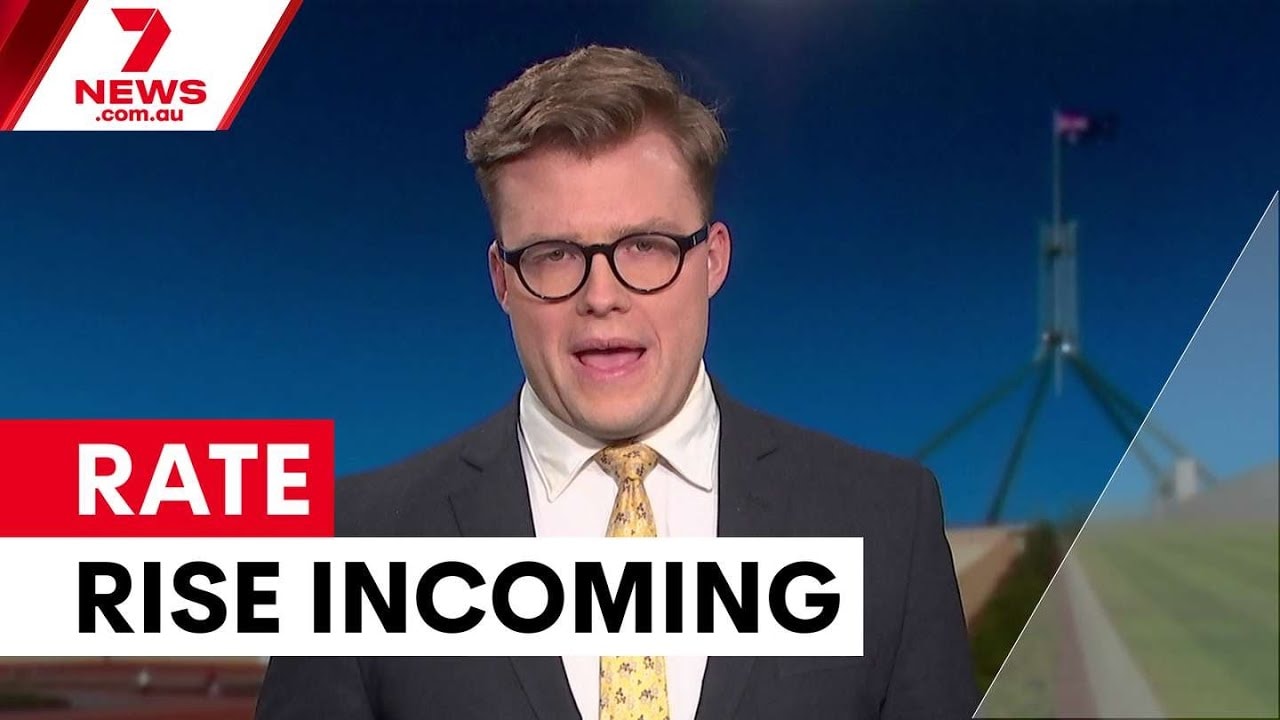
Despite the widespread willingness to sacrifice, most Australians are in no rush to transact. The Cotality data found that the majority of prospective buyers would not feel comfortable entering the market until the average mortgage interest rate fell to 4.9 per cent.
As of August 2026, the average owner-occupier rate sits at 6.3 per cent — well above that threshold — suggesting the market is likely to remain subdued for some time. Corby said that gap is creating an opening for more confident buyers willing to act while others wait.
"People are being conservative and cautious," she said. "A lot of it is about personality."
The financial pressure extends beyond the deposit stage. Only a quarter of Australians said they felt financially comfortable meeting upfront housing costs, and just 26 per cent believed they could cover monthly mortgage repayments without making lifestyle changes.
What buyers should consider before stretching their limits
Corby advised prospective buyers to think carefully about what they need a property to deliver over a specific timeframe and work backwards from there, rather than simply chasing the top of their borrowing capacity. She noted that some clients were deliberately choosing not to push their mortgage ceiling given ongoing uncertainty around interest rate movements.
The data paints a picture of a nation deeply committed to home ownership — but one increasingly forced to make hard choices about how, where, and when to buy.