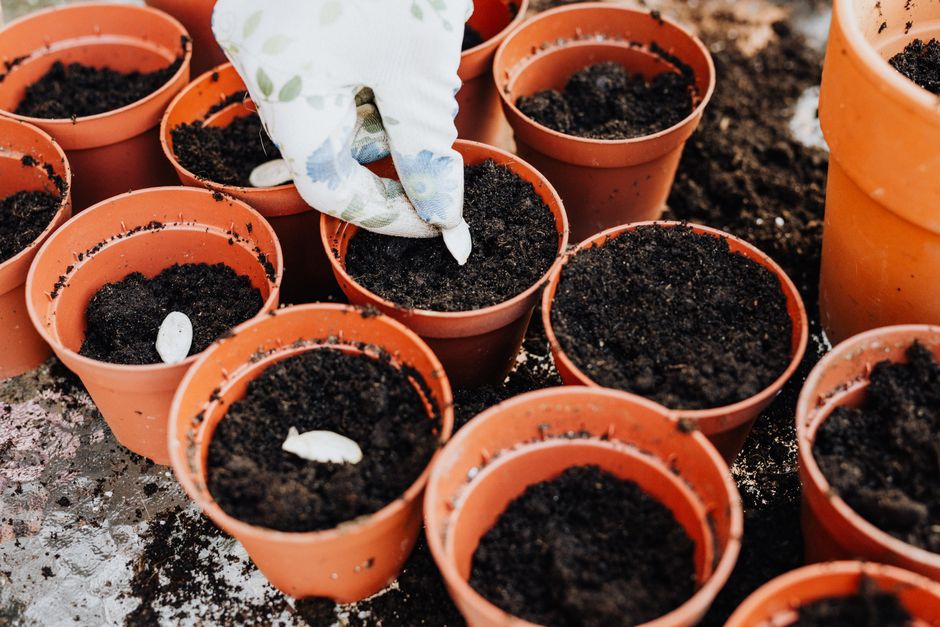
For 72-year-old Sydney gardener Robert, opening a bag of potting mix was as unremarkable as any other weekend chore — until it landed him in the emergency department. His experience is a stark reminder that something millions of Australians do without a second thought can carry genuine health risks, particularly for older people and those with compromised immune systems.
Robert developed Pontiac fever after handling potting mix without wearing gloves or a mask — precautions clearly printed on the packaging that he admits he never paid much attention to. "I never really thought twice about handling potting mix. You just open the bag and get stuck into it," he said. The illness, while milder than full Legionnaires' disease, was serious enough to require a visit to emergency, and it has permanently changed the way he approaches gardening.
What's actually inside a bag of potting mix?
Potting mix is far from an inert growing medium. According to Richard Bentham, adjunct associate professor at Flinders University, it functions as a living ecosystem teeming with microorganisms. "Potting mix is made by microorganisms, so it's very, very rich in microorganisms," he explains.
Among those microorganisms is Legionella longbeachae, a species of bacteria closely associated with potting mix, compost and garden soil. It is distinct from the Legionella strains typically linked to water-based systems such as cooling towers and air conditioning units. As Bentham makes clear: "This Legionella longbeachae has nothing to do with air conditioning or water systems."
Other potentially harmful bacteria, including mycobacteria, can also be present in potting mix. However, Bentham is careful to stress that the presence of these microorganisms does not make potting mix inherently dangerous. Millions of bags are used safely across Australia every year, and the risk of serious infection remains low for healthy individuals.
How the infection takes hold — and who is most at risk
The main concern arises when dry potting mix is disturbed. Fine particles can become airborne during opening or handling, and microorganisms carried on those particles can be inhaled. Bentham says inhalation is considered a significant route of infection, though researchers believe contaminated material transferred from hands to mouth may also be a factor.
Once Legionella longbeachae reaches the lungs of a susceptible person, it can develop into serious pneumonia — the condition known as Legionnaires' disease. The Australian Centre for Disease Control identifies potting mix, compost and garden soil as the most common sources of L. longbeachae exposure.
Robert's case illustrates the spectrum of illness this bacteria can cause. Pontiac fever, the form he contracted, does not cause pneumonia and typically resolves without treatment. But it sits at the milder end of a range that extends to potentially fatal pneumonia in more vulnerable people — including the elderly and those with weakened immune systems.
Simple precautions that can make a real difference
Experts say reducing exposure is straightforward. The key recommendations include:
- Wetting potting mix before use to reduce airborne dust particles
- Wearing a mask and gloves when handling potting mix or compost
- Opening bags away from your face
- Washing hands thoroughly after gardening
For Robert, the lesson came the hard way. "After getting sick from it, I'll definitely be wearing a mask and gloves because it's just not worth taking the risk of getting something worse next time," he said.
While his recovery was full, his case underscores that the warnings printed on every bag of potting mix are not simply regulatory box-ticking — they reflect a genuine, if often overlooked, health risk that warrants a moment's consideration before any gardening session begins.