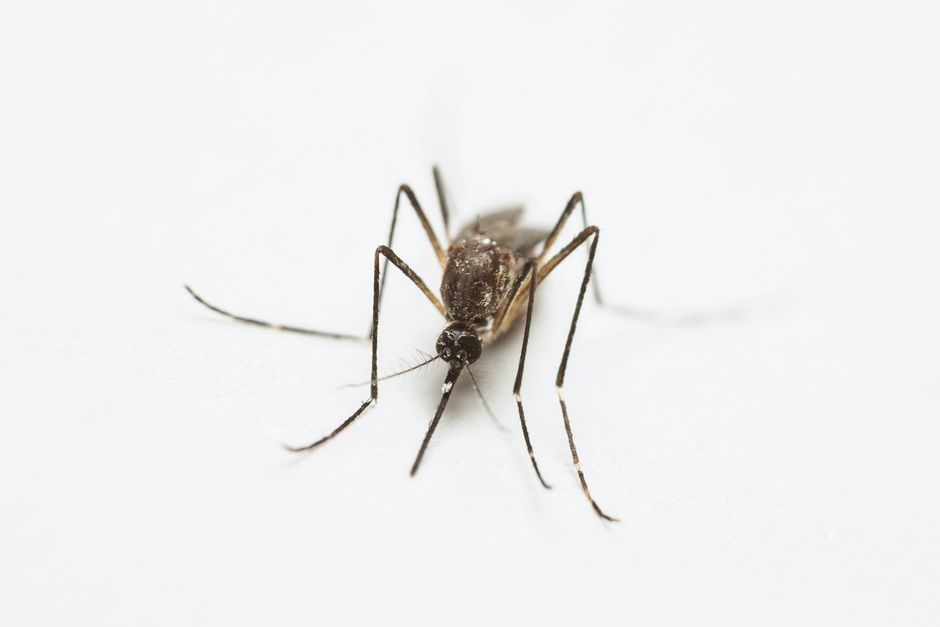
Australians heading to some of the country's most popular overseas destinations, including Bali, Thailand and India, now have a new tool to protect themselves against dengue fever. The vaccine Qdenga has become available in Australia, giving travellers an option beyond traditional mosquito-bite prevention for the first time.
Dengue is a viral illness spread by mosquitoes, and it is common in many of the destinations Australians flock to each year. More than 1,900 dengue cases were reported in Australia in 2025, the vast majority in people who had recently returned from overseas travel. Between 2012 and 2022, Indonesia, Thailand and India were the most frequent sources of infection among Australian travellers.
What is dengue fever and why does it matter?
Dengue typically causes fever, headache, body aches, nausea and a rash. There is no specific treatment, and while most people recover within one to two weeks, fatigue can persist for weeks or months. In some cases, the illness becomes severe enough to require hospitalisation, and in rare instances it can be fatal.
One complicating factor is that there are four distinct types of dengue virus. Infection with one type provides future immunity against that same type, but a person remains vulnerable to the other three. A second infection with a different type can sometimes produce more severe illness than the first, partly because antibodies from the original infection can make it easier for the new virus to enter cells.
People who live in or regularly travel to dengue-endemic regions face a higher chance of encountering multiple virus types over time, raising their cumulative risk of severe disease.
Although mosquitoes capable of spreading dengue are found in parts of tropical Queensland, local outbreaks are now rare thanks to a public health program that releases mosquitoes infected with a bacterium that blocks viral transmission. For most Australians, the risk is almost entirely linked to overseas travel.
How the new dengue vaccine works
Qdenga uses weakened dengue viruses to prime the immune system against all four types of the disease. It is administered as two doses given three months apart. Millions of doses have been delivered globally without evidence of an increased risk of severe dengue following vaccination.
In a large study involving children and teenagers living in dengue-endemic countries, the vaccine prevented roughly 80 per cent of dengue illness and more than 95 per cent of hospitalisations in the first year. Protection against hospitalisation remained strong for more than four years after vaccination.
The development of safe dengue vaccines has been scrutinised carefully following the experience with an earlier vaccine, Dengvaxia, which was found to increase the risk of severe dengue in some children who had never previously been infected and later contracted the virus after vaccination. Qdenga has been closely assessed for the same safety concerns and has not shown a similar pattern.
Like all vaccines, Qdenga can produce side effects. Studies in European travellers found around half of recipients reported reactions, with the most common being pain or redness at the injection site, headache and fatigue. These are generally mild and temporary.
Should Australian travellers get vaccinated?
The decision to get vaccinated is not always straightforward. Dengue risk varies by destination, time of year and the frequency with which a person travels to affected regions. Some popular spots such as Bali experience frequent outbreaks, and risk levels can shift sharply from one year to the next. Climate change is also expanding the conditions that favour dengue-carrying mosquitoes across many regions, meaning overall risk is trending upward.
Travellers are advised to discuss the vaccine with a health professional before departure, taking into account their specific itinerary and travel history. Bite-prevention measures, including repellents and protective clothing, remain important regardless of vaccination status.
For those travelling to affected regions, the availability of Qdenga represents a significant development in travel health, similar in its broader public health significance to other recent vaccine advances. Australians interested in travel health protection can also read about Australia's vaccination efforts against other infectious disease threats as authorities continue to expand preventive options across a range of risks.