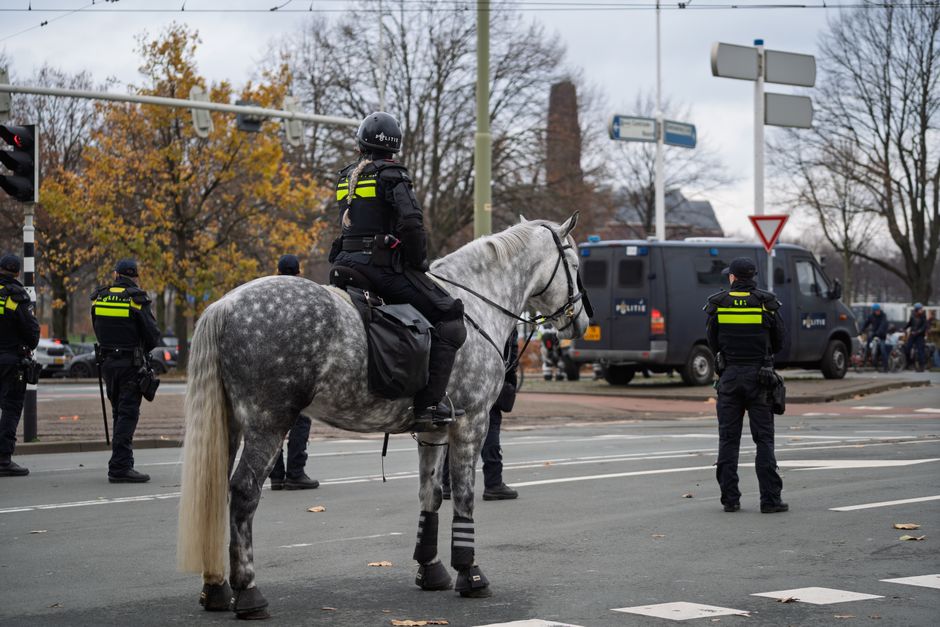
One of South Australia's most celebrated police horses is set to live on in a remarkable way — through cloning. South Australia Police (SAPOL) has confirmed it will clone the late Police Horse Vulcan, a grey giant who served the Mounted Operations Unit for nearly two decades before dying last year at the age of 23. The project, formally approved by the SAPOL commissioner in January, is being carried out in partnership with a specialist equine breeding facility in New South Wales called Catalina.
A Gentle Giant With an Extraordinary Record
Vulcan was no ordinary service animal. Standing 18.1 hands high and weighing approximately 860 kilograms, he was an imposing presence on South Australian streets — yet consistently praised for a calm, gentle temperament that was evident even as a three-year-old.
Over the course of his career, Vulcan accumulated an extraordinary operational record. He participated in nine Christmas pageants, nine Anzac Day parades, 31 protest deployments and 52 graduations, and clocked more than 3,000 patrol hours across general duties, search and rescue, public order operations and ceremonial events.
"P.H. Vulcan was the flagship of the unit. His calm presence and quiet and gentle demeanour made him a favourite with everyone who met him. He truly was a gentle giant," a SAPOL spokesperson said.
His death deeply affected officers across the unit. "We form a close bond and partnership with the horses… they become comrades to us, so when we lose one of them, it greatly impacts members," the spokesperson added.
Earlier this year, Vulcan was posthumously awarded the Australian Animal Distinguished Service Medal — becoming the first police horse and the first non-Defence animal in Australia to receive the honour.
How the Cloning of Police Horse Vulcan Will Work
When Vulcan died, veterinarians acted quickly, immediately collecting a tissue sample that was transported to Catalina in NSW. That genetic material has since been fully processed using state-of-the-art reproductive technology and is now securely stored.
SAPOL and Catalina plan to begin embryo creation later in 2026, with an embryo transfer to a recipient mare expected to take place in spring or summer. The program currently aims to produce one foal, which will automatically join the Mounted Operations Unit upon birth, where it will be raised and trained for service.
"The genetics ensure it will be the same colour — grey," SAPOL confirmed, noting that sourcing grey horses with the right temperament and long-term health prospects for mounted policing is a persistent challenge.
The cost of the project has not been publicly disclosed, but SAPOL indicated it is being funded from within the force's existing horse acquisition budget. Cloning a horse typically costs around $50,000, and the process has a high success rate for producing a live foal.
Cloning in Equine Sport — and What It Means for Policing
Horse cloning is not a new concept in Australia. It has been used in the polo world for some years to replicate animals with ideal temperaments, height and athletic traits. The first horse cloned in Australia — born in 2018 — was the result of a collaboration between local and Argentinian polo interests.
SAPOL's use of the technology, however, represents a significant step for law enforcement. The force explained that mounted policing is "very specialised," making it difficult to source animals that combine the right behavioural traits with the physical characteristics — particularly the grey colouring — required for the role.
"Cloning explores the opportunity to preserve exceptional service traits in identified horses necessary for public safety and replicates existing genetics. There's no modification or enhancement within the process," a SAPOL spokesperson said.
The force indicated the program could become part of a broader long-term strategy. "P.H. Vulcan possessed exceptional traits and we would like to carry on those traits. Cloning technology provides this opportunity," it said.
Should the embryo transfer proceed as planned this spring or summer, the Mounted Operations Unit could welcome Vulcan's genetic successor within the coming year — a living continuation of one of South Australia's most storied police careers.