At least 40 people have been killed and dozens more remain missing after Russian forces bombed an aid distribution point in Ukraine's southeastern Zaporizhzhia region, in one of the deadliest strikes on civilians since the Russo-Ukrainian war escalated into full-scale conflict. The attack on the village of Komyshuvakha occurred on Monday, striking an underground school building that was being used to hand out aid to local residents.
How the Attack Unfolded
Ukrainian President Volodymyr Zelensky said Russian forces first dropped aerial bombs on the underground school as civilians were arriving to collect aid. The building was then struck again with additional bombs, compounding the casualties and trapping victims below ground.
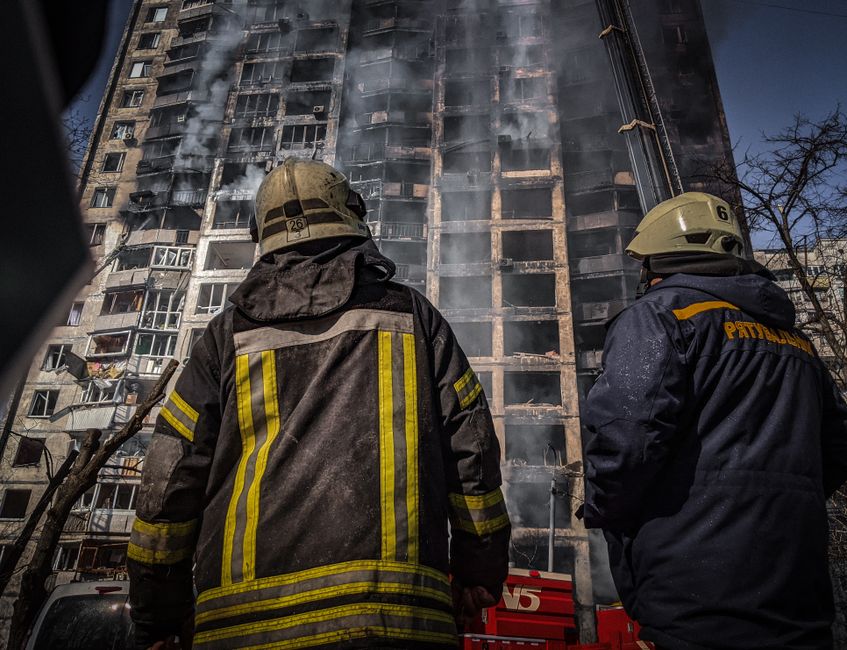
The village was hit multiple times in total. Footage captured in the aftermath on Wednesday showed men in military fatigues loading bodies sealed in white plastic bags into the back of a van. Excavators were clearing earth near a large blast crater while rescue workers continued to search underground for victims.
Emergency services confirmed that among the dead were two rescue crew members and four police officers. With dozens of people still unaccounted for, authorities have not ruled out that the death toll could climb further.
Ceasefire Had Only Just Expired
The timing of the strike drew immediate attention. It came just one day after a six-day localised ceasefire expired, a truce that had been brokered to allow the evacuation of civilians from the Russian-occupied southern Ukrainian town of Oleshky.
US First Lady Melania Trump played a central role in brokering the truce, which facilitated the evacuation of nearly 800 people. President Zelensky awarded Melania Trump a state honour in recognition of her contribution to the effort.
The bombing also occurred less than a week before the United States is scheduled to bring together Ukrainian and Russian delegations in Abu Dhabi on Monday and Tuesday of next week, for discussions aimed at de-escalation, postwar security arrangements and a potential path to ending the conflict now entering its fifth year.
Talks Ahead as Pressure Mounts
The attack has cast a grim shadow over the upcoming diplomatic meetings in Abu Dhabi, raising questions about the viability of meaningful negotiations while large-scale strikes on civilian infrastructure continue.
The Zaporizhzhia region has remained a flashpoint throughout the conflict, with its civilian population bearing the brunt of repeated aerial bombardments. The targeting of an aid distribution centre, a location where vulnerable residents were gathering to receive humanitarian assistance, has drawn particular condemnation.
Rescue operations were still active as of Wednesday, with workers using heavy machinery to excavate the blast site and teams continuing to search the underground areas of the stricken school building for any survivors or additional victims.
The Abu Dhabi talks, if they proceed as planned, will represent one of the most significant diplomatic engagements of the conflict to date, though the scale of Monday's attack is likely to complicate the atmosphere surrounding those discussions considerably.

