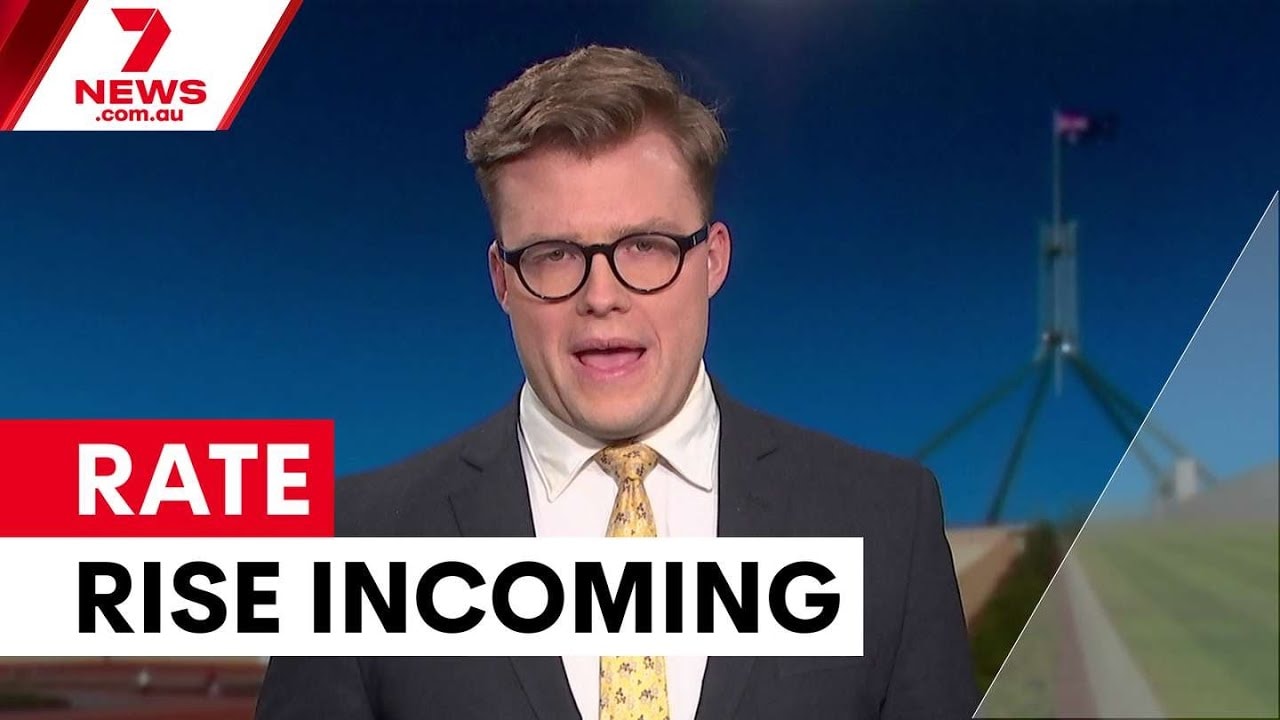
David Shoebridge has been elected as the new leader of the Australian Greens, becoming the sixth person to hold the position after a hotly contested party room ballot held in Sydney on Wednesday. The NSW senator defeated former deputy Mehreen Faruqi and long-serving senator Sarah Hanson-Young in an unprecedented three-way contest, declaring his intention to "replace Labor" and give Australians a genuine political alternative.
Steph Hodgins-May was elected deputy leader on the same joint ticket, defeating Vanessa Bleyer by six votes to five, with Jordon Steele-John also having nominated for the position.
A historic and divisive leadership ballot
The vote marked a significant departure from the Greens' tradition of selecting leaders by consensus. In a rare move, Greens whip Nick McKim publicly announced the full results: Senator Shoebridge won seven votes to Senator Faruqi's four, after preferences, with the decision made by the party's 11-member party room.
The leadership contest was triggered by the sudden resignation of Larissa Waters, who announced on Monday she was stepping down to focus on managing a chronic kidney disease. In her first public remarks since that decision, Senator Waters became emotional, describing it as an "incredible honour" to have led the party.
Senator Waters had taken on the leadership following a difficult 2025 federal election that saw the Greens lose three lower-house seats, including the electorate held by former leader Adam Bandt.
Senator Shoebridge, a former barrister and NSW state parliament member, has served as a federal senator for New South Wales since 2022. He is well known for his combative style in Senate Estimates hearings and his outspoken positions on defence and foreign affairs, including firm opposition to the AUKUS submarine agreement.
Shoebridge's agenda: taking on "corporate greed" and the major parties
Speaking at a press conference on Wednesday, Senator Shoebridge framed his leadership as a "new face" for the Greens and signalled an ambitious policy agenda targeting what he described as the failure of mainstream politics.
"This is an extraordinary moment in politics and we can all feel it," he said. "We can feel that politics as usual is not providing the answers that people are desperately calling for now."
Senator Shoebridge said the Greens would step into the vacuum created by the Labor Party "rushing to the right", naming several key priorities:
- Challenging the influence of the gas lobby and fossil fuel billionaires
- Opposition to AUKUS
- Scrutiny of artificial intelligence
- Taking on broader "corporate greed"
"We're here to beat down One Nation, and we're here to replace Labor and return hope and faith to politics," he said.
In a joint statement released before the vote, Senators Shoebridge and Hodgins-May said the time had come to "build our movement as the home for every Australian who wants action on the climate crisis, a fair return from our resources, a secure home and income, and to not sell out our independence to the US or the one per cent."
New deputy brings youth appeal and legal expertise
Senator Hodgins-May, who entered the Senate in 2024 replacing Janet Rice, brings an environmental law background to the deputy role. Despite being in parliament for just two years, she has built a profile among younger voters through social media engagement and her work spearheading a push for a 25 per cent gas tax.
The Greens currently hold the balance of power in the upper house and sit at approximately 12 per cent in primary vote polling.
Faruqi calls for member vote reform amid party tensions
The outcome exposed visible fault lines within the party. Senator Faruqi, who did not stand for the deputy position after losing the leadership race, posted a statement to social media expressing her disappointment and declining to join the new leadership team.
"Of course, I am disappointed the party room chose another direction, and know many others will feel the same way," she wrote.
Senator Faruqi used the moment to renew her long-held call for Greens leaders to be elected directly by the membership, rather than by the party room alone.
"Without a member vote, we cannot call ourselves a grassroots party," she said. "I call on the new leadership team to set a timeline for one member, one vote."
Her statement reflected broader frustration among some members that the leadership transition — conducted within days of Senator Waters' resignation — did not allow adequate time for deliberation or wider participation. Senator Faruqi said she had long advocated for members to be given "enough time for thoughtful deliberation on who is best to grow our party", adding: "I share members' frustration that the opposite happened this week."
How the new leadership team navigates those internal pressures — while pursuing an ambitious electoral strategy ahead of the next federal cycle — will be closely watched as Senator Shoebridge moves to put his stamp on one of Australia's most significant minor parties.