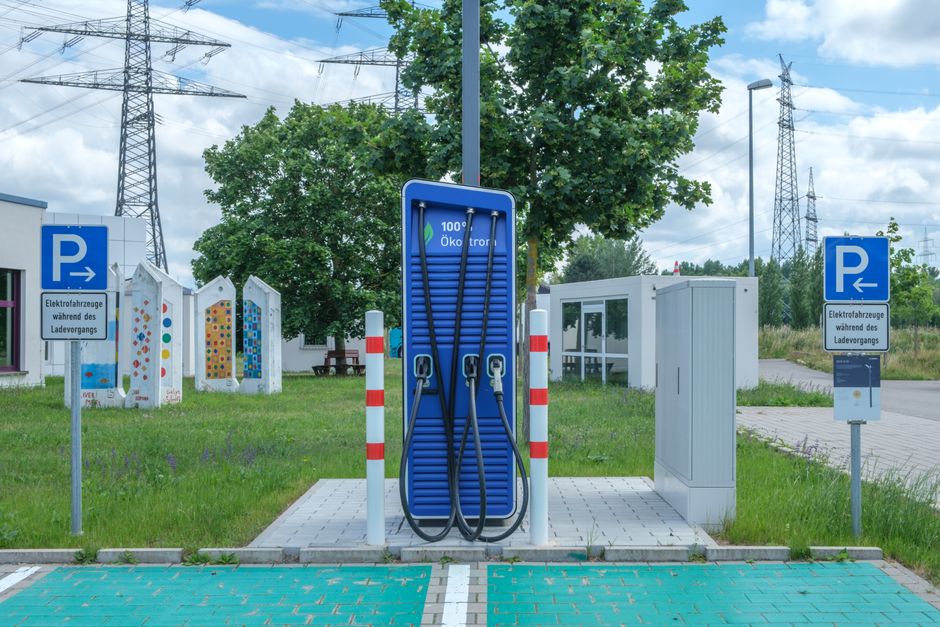
Local councils across Western Australia are being left to foot significant repair and upgrade bills for the state's first electric vehicle charging network, more than a decade after it launched to considerable fanfare. The Shire of Harvey, roughly 140 kilometres south of Perth, is facing a bill of between $50,000 and $120,000 to replace and upgrade its only public EV charging station, which has been malfunctioning since it was installed as part of the original 2015 rollout.
A Network Built on Public Money, Now Handed to Local Government
WA's so-called "electric highway" was established in 2015, stretching through the state's South West with charging stations running between Monkey Mia and Esperance. The WA government contributed more than $23 million to the network as part of a broader $43 million subsidy package for electric vehicle infrastructure across the state.
For a decade, motoring insurer RAC played a central role in managing and maintaining the network. But after RAC withdrew from the project last year, responsibility shifted to local councils and private operators, leaving many communities uncertain about who should be paying for upkeep as the infrastructure ages and demand surges.
The number of licensed electric vehicles in WA has grown dramatically since the chargers were first installed. When the network launched in 2015, there were approximately 150 licensed EVs in the state. By June this year, that figure had climbed to more than 60,000, placing growing pressure on infrastructure that was never designed to handle current volumes. Understanding how electric vehicle charging infrastructure is planned and maintained is increasingly important as uptake accelerates nationwide.
Energy Minister Says Councils Must Step Up
Energy Minister Amber-Jade Sanderson has been direct in her position: the state government built the "spine" of the network, and it is now up to local governments and the private sector to maintain it.
"We need the private sector and local government to step up and support the network," she said, adding that the state had already done "much of the heavy lifting." The minister argued it was appropriate for local governments to provide EV charging as a service to their ratepayers, given the range of other services councils already deliver.
But that position has not gone down well with some council representatives. Harvey's Deputy Shire President Craig Carbone said maintaining EV infrastructure was beyond what local government should reasonably be expected to handle. He expressed concern that state or federal governments were generating ideas without considering who ultimately bears the financial burden.
"It could be another thing where they've come up with the idea, and the cost ends up with local government," he said.
Patchwork Outcomes Across the Network
The situation varies considerably from town to town along the electric highway. In Busselton and Dunsborough, the local council removed its foreshore chargers, though private operators subsequently opened replacement stations at local shopping centres. In Bridgetown, a private operator took over the original charger. In Harvey, the shire has opted for a short-term repair costing around $4,000 to keep the charger operational while it weighs up longer-term options.
Local businesses have a stake in the outcome. Harvey caravan park manager James Corby said losing the town's only public charger would make the area less appealing to electric vehicle drivers passing through. "If we don't have an obvious EV charging location, it makes our location far less attractive to those motorists," he said.
Further north, travellers have raised complaints about charger faults and an inability to meet growing demand. The Australian Electric Vehicle Association's WA spokesman Ant Day said more needed to be done to keep charging stations operational in smaller regional towns like Harvey.
What Comes Next for Home and Public Charging
The debate over who funds and maintains public charging infrastructure comes as more Australians also grapple with the practicalities of home EV charging safety, fire risks and electrical standards as ownership rises rapidly. With no clear resolution in sight for the Harvey station or the broader network, regional communities are increasingly caught between state expectations and local financial realities.

