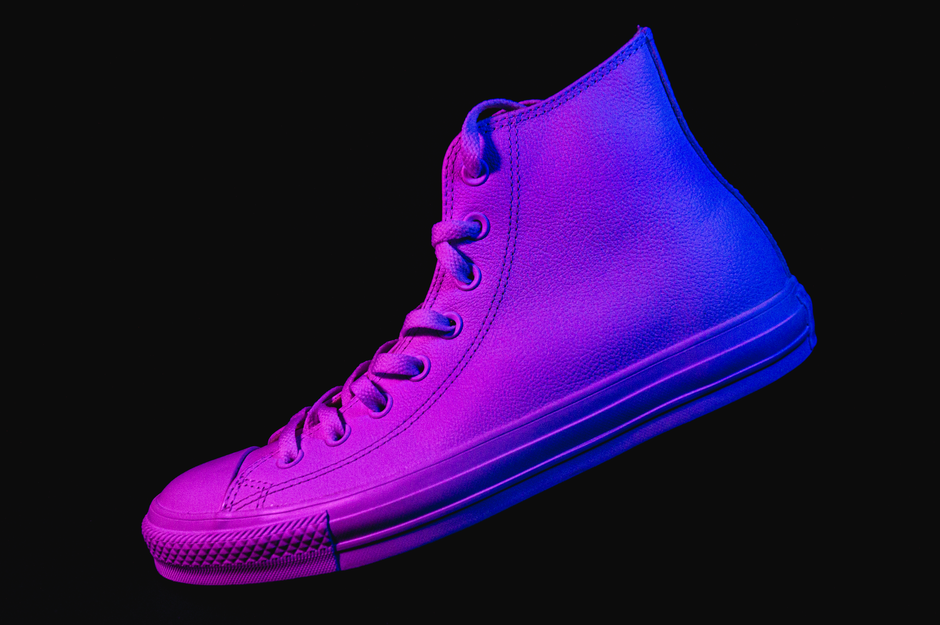
Sneaker brand Converse has pulled a social media advertisement and issued a public apology after critics widely condemned the image, saying it contained visual references to the Ku Klux Klan and lynching. The ad, which appeared on Instagram, was removed from the company's channels after a rapid and fierce backlash online.
The photograph featured K-pop singer Karina wearing a skirt and holding a pair of Chuck 70 X sneakers. Critics argued that a white triangular shape formed by light falling on the skirt bore a strong resemblance to a KKK hood, and that the way Karina held the sneakers made them appear to resemble the dangling feet of a lynching victim.
Converse apologises but declines to explain how ad was approved
In a brief but direct statement, Converse said it understood the gravity of the response the image had generated. "We're sorry," the company said. "We understand why this image is deeply upsetting and recognise that we got this wrong. We removed it from our channels and are working to remove it everywhere it appeared."
Despite the apology, Converse — which is owned by Nike, Inc. and based in Boston, United States — declined to answer further questions, including how the advertisement had passed through the company's internal review and approval processes before being published.
Neither Karina nor her management company, SM Entertainment Group, responded to requests for comment made through their Instagram accounts.
Swift public backlash and calls for staff to be fired
The reaction on social media was immediate and intense. Critics called for the employees responsible for the ad to be dismissed and urged consumers to boycott the brand. Many users questioned how an image with such associations could have cleared legal, marketing, and executive review at every stage of production.
Texas-based civil rights attorney Lee Merritt posted on Instagram that Converse's apology fell short of addressing the broader failure. "We keep having this conversation because corporations keep failing the same test," he wrote, adding that the apology "doesn't undo what got past legal, marketing and leadership at every step."
Not all reactions were negative — some commenters came to Converse's defence, arguing that they did not believe the imagery was intentional and that the resemblances were coincidental.
Part of a broader pattern of corporate missteps on race
The controversy is far from an isolated incident in the retail and fashion world. Major brands have repeatedly faced public criticism and been forced to withdraw products and campaigns deemed racially insensitive.
Just last month, US retail giant Target Corporation pulled a children's Halloween costume from sale after a widespread social media backlash. The company apologised after critics said the garment evoked racist minstrel caricatures. The pattern of such incidents has drawn increasing scrutiny to how large corporations screen creative content before it reaches consumers.
The latest episode has reignited debate about the diversity and cultural awareness of marketing and legal teams inside major corporations, and whether internal review processes are adequate to catch imagery that carries harmful historical associations. Racist imagery and language in public life continues to draw sharp condemnation across a range of contexts globally.
About Converse
Converse was founded in Malden, Massachusetts, in 1908 and is best known for its iconic Chuck Taylor All Star sneaker. The shoe was first introduced in 1917 as a non-skid basketball shoe. In 1934, the signature of basketball player Chuck Taylor was added to the shoe after he became closely associated with promoting it — a legacy that has made the Chuck Taylor one of the most recognisable sneakers in the world.
The company has not indicated what steps, if any, it plans to take internally in response to the controversy.