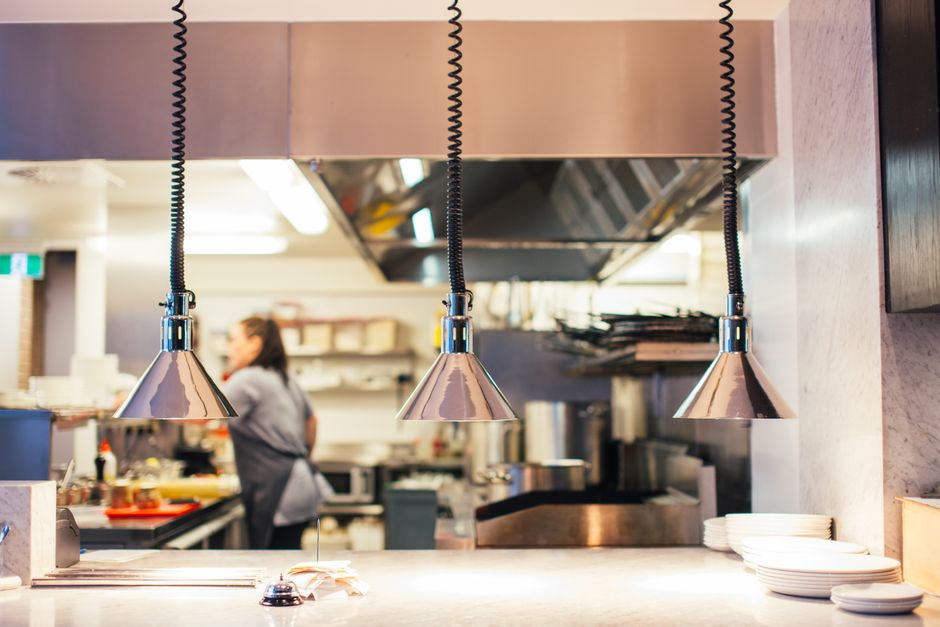
Opening a commercial kitchen in Sydney involves far more moving parts than most business owners anticipate, and understanding the fitout process from the start can save significant time, money and headaches down the track. This article breaks down what Sydney operators need to know before committing to a commercial kitchen fitout in a workplace setting.
What to Expect From a Commercial Kitchen Fitout in Sydney
A commercial kitchen fitout in Sydney is a substantial undertaking that covers everything from structural modifications and ventilation systems through to council approvals and equipment installation. Whether you are setting up a restaurant, a staff canteen, a catering facility or a food production workspace, the scope of work involved is typically broader than first-time operators expect.
At its core, a fitout involves the following key phases:
- Design and planning: A qualified designer or fitout specialist will assess your space, workflow requirements and menu output to produce a functional kitchen layout that meets both operational needs and Australian food safety standards.
- Approvals and compliance: Sydney operators must navigate local council development applications, food premises approvals under the NSW Food Act, and compliance with the Building Code of Australia. This stage alone can take several weeks.
- Trade and construction work: Plumbing, electrical, gas, mechanical ventilation and tiling are typically coordinated across multiple licensed trades, often sequenced tightly to avoid costly delays.
- Equipment supply and installation: Commercial-grade cooking equipment, refrigeration, benching and storage must be specified, procured and installed in coordination with the construction timeline.
Costs in the Sydney market reflect both the complexity of the city's regulatory environment and the demand for skilled tradespeople. Fitouts for mid-sized commercial kitchens commonly range from $80,000 to well over $300,000 depending on the size, condition of the existing space and the standard of finishes required.
Working with a Sydney-based fitout company that understands local council requirements from the outset is one of the most practical ways to keep a project on schedule and on budget.
Key Design Considerations for Sydney Workplace Kitchens
Getting a commercial kitchen fitout right in a Sydney workplace requires more than simply choosing appliances and benchtops. The design phase shapes everything from daily workflow to long-term compliance costs, so it pays to think carefully before a single cabinet goes in.
- Space planning and traffic flow: Sydney office buildings vary enormously, from heritage CBD terraces to sprawling Parramatta business parks. A well-planned layout keeps prep zones, cooking areas and wash stations separated so staff can move efficiently without bottlenecks during peak morning or lunch rushes.
- Ventilation and exhaust requirements: New South Wales food safety regulations set clear standards for mechanical ventilation in commercial kitchens. Failing to meet these during the fitout stage can trigger costly retrofits and delays in obtaining your council approval or development consent.
- Bench and storage configuration: The number of staff using the kitchen daily drives decisions about bench height, under-counter storage and refrigeration capacity. A workplace serving 20 people has very different needs from one catering for 200.
- Flooring and surface materials: High-traffic workplace kitchens need non-slip, easy-to-clean surfaces that hold up under daily use. Textured vinyl, epoxy resin and commercial-grade porcelain tile are popular choices among Sydney fitout specialists.
- Energy efficiency: With electricity costs remaining a pressure point for Sydney businesses in 2026, specifying energy-rated appliances and LED task lighting is a straightforward way to reduce ongoing operating expenses.
- Acoustic considerations: Open-plan offices adjacent to kitchen areas benefit from sound-dampening materials in cabinetry and wall linings, keeping noise from dishwashers and exhaust fans from disrupting the broader workspace.
Addressing these factors early, ideally during the concept stage rather than mid-construction, keeps your Sydney workplace kitchen fitout on budget and prevents the kind of compliance surprises that push project timelines out by weeks.
Compliance and Safety Standards for Sydney Commercial Kitchens
Getting your commercial kitchen fitout right in Sydney means more than choosing the best equipment and layout. Every fitout must satisfy a layered set of compliance obligations before the first dish leaves the pass, and cutting corners here can cost a business far more than any initial saving.
The key regulatory frameworks that apply to Sydney commercial kitchens include:
- Australia New Zealand Food Standards Code (FSANZ): Sets mandatory requirements for food handling areas, surface materials, pest control provisions and hand-washing facilities.
- NSW Food Act 2003 and the Food Regulation 2015: These govern food business registration, inspection regimes and the structural fit of food preparation spaces across New South Wales.
- Building Code of Australia (BCA/NCC): Covers fire safety, ventilation, emergency egress and structural standards that apply to any commercial premises fitout.
- WorkSafe NSW and Work Health and Safety Act 2011: Requires employers to eliminate or minimise risks from hot surfaces, slip hazards, heavy lifting tasks and confined working conditions.
- Sydney Water trade waste requirements: Any kitchen discharging grease, food solids or chemicals into the sewer must have approved grease arrestors and may need a trade waste agreement.
Local councils in Sydney also conduct routine inspections, and a fitout that passes on paper but has poor ventilation or inadequate drainage can still trigger an improvement notice. Engaging a qualified commercial kitchen designer who understands both council requirements and Australian Standard AS 1668 for mechanical ventilation is a practical way to avoid costly rectifications after the build is complete.
For Sydney business operators tracking regulatory changes that affect commercial premises, the Business & Lifestyle section at Breslin Media Network and the broader All News feed cover relevant legislative updates as they emerge.
Choosing the Right Fitout Contractor in Sydney
Finding a reliable commercial kitchen fitout contractor in Sydney is one of the most consequential decisions you will make for your hospitality or food service business. The wrong choice can mean costly delays, compliance failures, and equipment that simply does not perform under real service conditions.
Before signing any contract, verify that the contractor holds the appropriate licences for both construction and mechanical services work in New South Wales. Sydney contractors working on commercial kitchens must comply with Fair Trading NSW licensing requirements, and any electrical or gas work must be carried out by separately licensed tradespeople. Ask for proof of current public liability insurance and confirm their experience with Food Authority-compliant fitouts specifically.
When comparing quotes, look closely at what is actually included. Some contractors price low upfront then charge separately for:
- Council development applications and certification fees
- Mechanical ventilation commissioning and testing
- Grease trap installation and council connection approvals
- Post-fitout cleaning and defect rectification
A detailed scope of works document protects you on all of these points. If a contractor is reluctant to provide one, treat that as a serious warning sign.
References matter enormously in this industry. Ask to speak directly with past clients who had comparable projects, whether that is a cafe strip fitout in Surry Hills, a school canteen in Parramatta, or a restaurant kitchen in the CBD. Photographs are useful, but a five-minute phone conversation with a previous client tells you far more about how a contractor actually performs under pressure.
Finally, consider the contractor's familiarity with Sydney-specific council requirements. Approval processes can vary considerably between local government areas, and a contractor who has navigated the specific requirements for your suburb will save you significant time and frustration before a single piece of equipment is installed.
Budgeting and Timelines for Your Commercial Kitchen Project
Getting the numbers right before breaking ground is one of the most important steps in any commercial kitchen fitout in Sydney. Costs vary considerably depending on the size of the space, the complexity of the equipment specification, and whether you are fitting out a new tenancy or refurbishing an existing one.
As a general guide, most Sydney operators should budget within these broad ranges:
- Basic fitout (small cafe or takeaway): $80,000 to $150,000
- Mid-range fitout (casual dining or catering kitchen): $150,000 to $350,000
- Full commercial fitout (restaurant, hotel or institutional kitchen): $350,000 to $700,000 or more
These figures typically cover design and documentation, council approvals, mechanical ventilation, gas and electrical works, stainless steel fabrication, equipment supply and installation, and project management. Always request itemised quotes so you can compare suppliers accurately.
Timeline is equally important. A straightforward fitout can take as little as eight to twelve weeks from signed contract to handover. More complex projects, particularly those requiring development applications or significant structural modifications, can run to six months or longer. Factor in lead times for imported equipment, which can stretch to ten or twelve weeks in the current supply environment.
Working with a fitout specialist who coordinates trades in-house tends to compress timelines and reduce the risk of costly delays between contractors. Always build a contingency of at least ten to fifteen percent into your budget for unexpected variations.
Planning your commercial kitchen fitout in Sydney is a substantial undertaking, but approaching it methodically, from workplace design and compliance through to equipment selection and budget discipline, puts your business on solid footing from day one. The decisions you make during the design phase will shape the safety, productivity and profitability of your kitchen for years to come, so investing time and expertise at the outset is always worth it.

