The federal Opposition has pledged to abolish Labor's $2.1 billion electric vehicle subsidy, framing the move as a cornerstone of its broader savings agenda and directly targeting Treasurer Jim Chalmers over what it describes as a "spending addiction." Shadow Attorney-General Michaelia Cash made the commitment on Wednesday, arguing Australian taxpayers should not be expected to help fellow citizens purchase cars.
Coalition targets EV subsidy as part of $31 billion savings plan
Speaking on breakfast television, Cash was unequivocal in calling for the subsidy to be cut immediately, directing her remarks squarely at the Treasurer.
"Australians are paying a very, very heavy price," Cash said. "Everything they touch under this government costs more. Jim's already said he doesn't know how to cut his spending addiction. So, here's a really good start, Jim. Cut it tomorrow."
Cash said the proposed cut would deliver $2.1 billion in savings and form part of a wider package the Coalition claims totals $31 billion. She framed the subsidy as an example of Labor prioritising spending over fiscal discipline, arguing the government needed to rein in expenditure.
"Labor's very good at spending taxpayers' money," she said. "They need to rein in their spending."
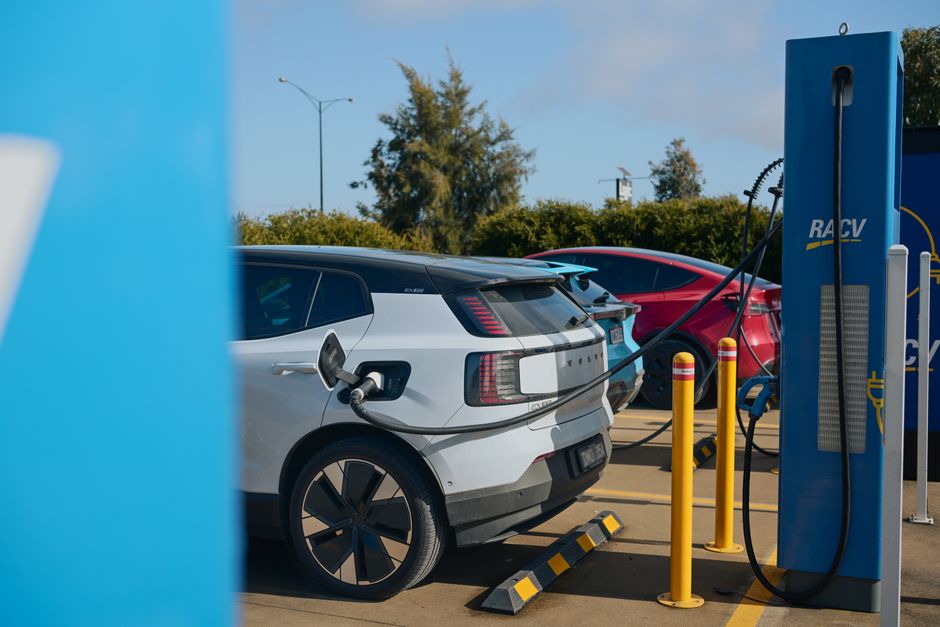
When pressed on whether the Coalition would direct any funding toward electric vehicle charging infrastructure, given growing demand from motorists, Cash declined to commit to additional spending in that area. "We are looking at savings here," she said. "And one of the ways you make savings is to scrap the $2.1 billion expensive subsidy."
Her position was clear on the broader principle: "Australians can buy any car they like but the Australian taxpayer, doing it tough under this government, shouldn't have to subsidise that."
The announcement comes as questions about federal spending and debt management continue to dominate political debate in Canberra.
Labor defends subsidy as cost-of-living relief, not just green policy
Environment and Water Minister Murray Watt pushed back on the Coalition's position, arguing the Albanese government had already taken steps to moderate the scheme. He noted the discount available for more expensive electric vehicles had already been wound back, and pointed to the government's overall savings record.
"It's worth remembering that since we've been in office, we have found about $180 billion worth of savings," Watt said. "It's not as if we've done nothing on that front."
Watt also rejected the characterisation that the subsidy was primarily a benefit for wealthy buyers. He argued the scheme was helping everyday drivers, particularly those in outer suburbs who face longer commutes and stand to save significantly on fuel costs.
"This isn't just about reducing emissions and the environmental benefits that come from EVs," he said. "It's actually helping Australians right now to deal with the kind of higher fuel prices that we're seeing as a result of the Middle East conflict. This is a cost of living measure as much as it's an environmental measure."
Under the current framework, vehicles priced below $91,000 receive the full tax exemption. That threshold is scheduled to drop to $75,000 from April next year, a change the government says reflects its commitment to targeting the benefit more appropriately.
EV sales rising even as subsidy debate heats up
The political dispute over the subsidy is unfolding against a backdrop of accelerating EV adoption across Australia. Data indicates that electric vehicles outsold petrol and diesel cars in new vehicle sales over the past two months, a milestone that has simultaneously fuelled calls for expanded public charging infrastructure and intensified debate about the role of government support in driving that transition.
With EV uptake climbing and the Coalition putting the subsidy squarely in its sights, the future of the scheme is shaping up as a significant battleground in the broader fight over federal spending priorities heading into the next budget cycle.

