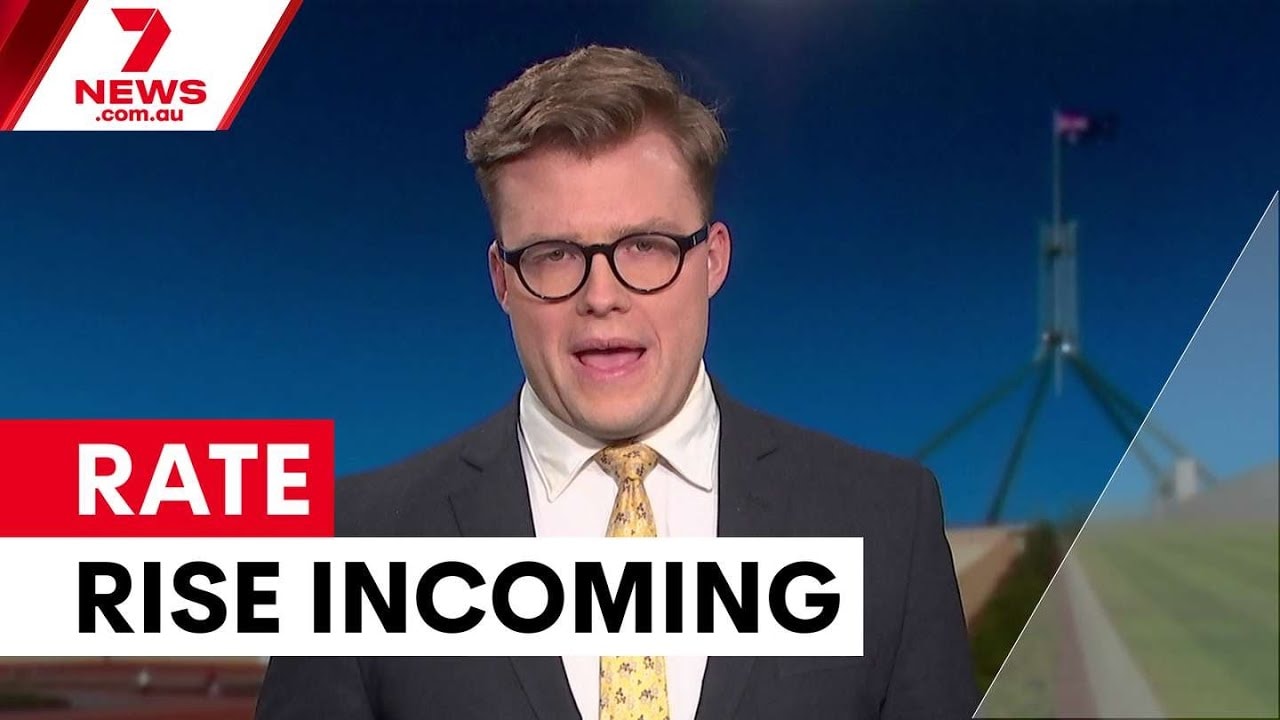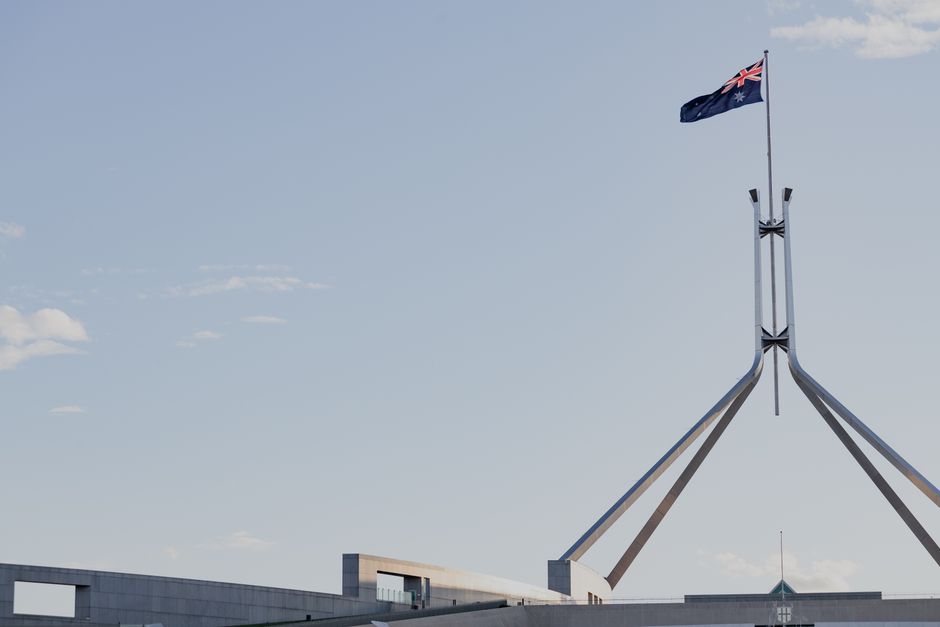
The federal Opposition has unveiled a proposal to criminalise the burning of the Australian flag, with those who publicly desecrate it in ways designed to incite hatred facing up to 12 months in prison. Opposition Leader Angus Taylor announced the policy on Sunday, framing it as a defence of Australian values — while firmly rejecting suggestions it was designed to win back voters who have shifted to One Nation.
What the Coalition's flag burning proposal actually involves
Under the Coalition's plan, serious public desecration of the Australian flag — specifically acts intended to incite hatred — would become a federal criminal offence, carrying a maximum penalty of one year in jail. Currently, any laws covering flag desecration or the defacing of public monuments fall under a patchwork of differing state and territory legislation.
The proposal goes beyond the flag itself. Those who deface, desecrate or destroy public war memorials would also face new federal criminal penalties, and the protections would extend to significant historical monuments — including statues of Captain Cook. Flag desecration laws vary considerably across the world, and Australia has never successfully legislated at a federal level to prohibit them.
In a further element of the package, the Coalition wants to enshrine 26 January as Australia's national day in federal law, requiring any future move to change the date to be put to a national plebiscite rather than decided by parliament alone.
A long history of failed attempts
This is not the first time federal lawmakers have tried to outlaw flag burning. The Coalition's proposal is understood to be at least the eighth attempt in Australian history to criminalise the act at a national level — every previous effort has failed to pass.
Constitutional questions have long shadowed such proposals, with legal experts historically raising doubts about whether a flag-burning ban could survive a High Court challenge. Even former long-serving Liberal prime minister John Howard opposed the idea, arguing in 2006 that criminalising the act would "only turn yahoo behaviour into martyrdom."
Despite that history, Taylor maintained the policy was essential. "We need to stand up for Australia," he said during a Sunday television appearance. He added that conversations with ordinary Australians had convinced him there was an appetite for the Coalition to return to what he described as "core Liberal and National Party values."
Is this about One Nation?
The political backdrop to the announcement is impossible to ignore. Since the Coalition's heavy defeat at the 2025 federal election, both the Liberals and the Nationals have steadily lost ground to One Nation — a party that has itself previously championed a flag-burning ban.
The most recent Newspoll figures paint a striking picture: One Nation's primary vote sits at 30 per cent, ahead of Labor on 29 per cent and the Coalition on just 19 per cent. That dramatic reversal of fortunes has intensified scrutiny of every policy move the Opposition makes. For more on how the shifting political landscape is playing out at the electorate level, see our analysis of what the Australian politics shift could reveal.
Taylor flatly denied the proposal was timed to blunt One Nation's appeal, saying the Coalition had no intention of forming a governing partnership with the party. When pressed directly on whether he would enter a coalition arrangement with One Nation, his answer was unequivocal: "No." That response, however, sits in tension with comments from other Coalition figures who have been less definitive on the question.
Opposition from Labor and free speech concerns
Labor assistant minister Matt Thistlethwaite was quick to challenge the proposal on both principled and political grounds. He argued that criminalising flag burning would unreasonably restrict freedom of speech, and characterised the announcement as an act of political desperation.
"I think that there's a bit of an element of desperation there, trying to chase One Nation and further to the right and to capture some of those votes," Thistlethwaite said.
The criticism echoes a broader tension in Australian public debate about where the line sits between protecting national symbols and preserving civil liberties. While many Australians may find public flag burning offensive, opponents of criminalisation argue that political expression — even expression most people find objectionable — is precisely what free speech protections are designed to cover.
Taylor acknowledged the trust deficit the Coalition faces but insisted the answer lay in returning to foundational values rather than political manoeuvring. "What I make of the situation right now is we've got to re-establish trust with the Australian people," he said.
Whether the proposal gains traction in parliament — or faces the same fate as the seven federal attempts before it — remains to be seen. What is clear is that, with One Nation commanding a primary vote the major parties can no longer afford to dismiss, the fight over Australian national identity is set to intensify.