Australia's 2026 Census of Population and Housing takes place on Tuesday, 11 August, and every person in the country that night — citizens, international visitors, refugees and migrants alike — is legally required to complete it. Yet despite its familiarity, a surprising number of myths surround what the Census is, who it applies to, and what happens to the information collected.
What the Census Actually Is — and What It's Not
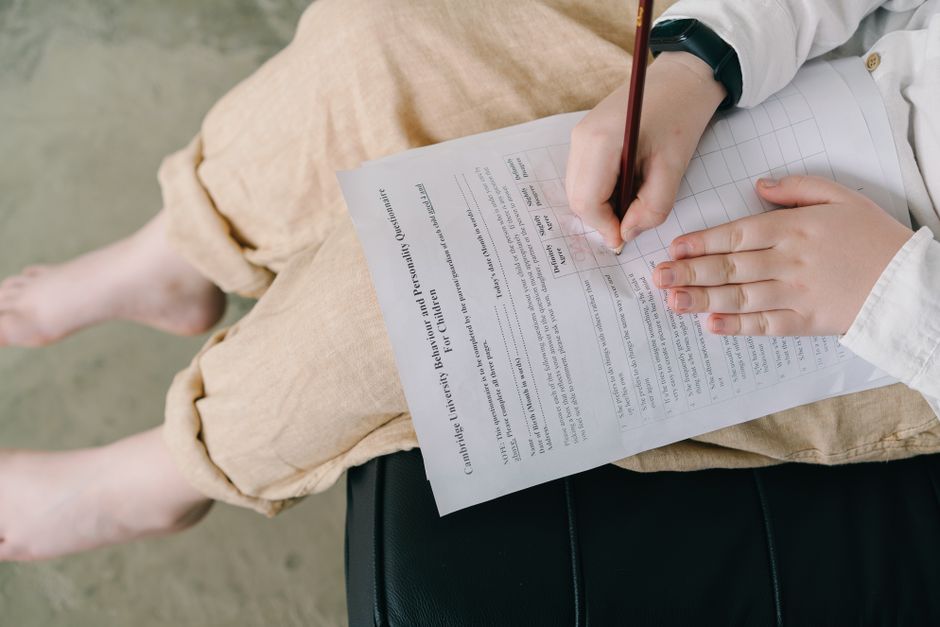
One of the most persistent misconceptions, according to an Australian Bureau of Statistics (ABS) national spokesperson, is that the Census functions as some kind of test or graded assessment. That is simply not the case.
"This is a self-reported questionnaire ... so, the right answer is always what represents you the best and who you are," the spokesperson explained. The more honestly people respond, the more accurately the data reflects Australia's true population.
Far from being a bureaucratic formality, the Census directly shapes the funding and placement of essential services — schools, hospitals, libraries and public transport. Responses also influence where English language classes are made available for newly settled migrants, helping them develop skills needed to apply for jobs or driver's licences. Importantly, participation in those classes is entirely voluntary; a Census response cannot compel anyone to attend.
In 2021, more than 25 million Australians participated, producing a detailed portrait of the nation's diversity. Nearly half of all respondents had at least one parent born overseas, and more than 400 languages were recorded as being spoken across the country, including over 180 Indigenous languages.
Your Privacy Is Protected by Law
Concerns about data privacy rank among the most common reasons people are hesitant to participate — but the ABS says these fears are unfounded. Personal information gathered during the Census cannot be shared with police, immigration authorities or any other government agency. This protection is enshrined in the Census and Statistics Act.
By law, identifying details such as names and addresses must be separated from the broader Census data. After the Census, names may be retained for up to 18 months and addresses for up to 36 months, after which they are removed. The ABS has invested significant effort over many years in assessing and strengthening the privacy, security and processing of its data collection systems.
Language Is No Barrier to Completing the Form
While the Census form itself must be completed in English, the ABS has taken extensive steps to ensure accessibility for those who speak other languages. Information about the survey is available on the Census website in 26 languages, and the Translating and Interpreting Service (TIS National) provides access to interpreters across more than 150 languages.
To further support participation, the ABS has deployed around 30,000 field staff nationwide, with a particular focus on reaching people from culturally and linguistically diverse backgrounds, Aboriginal and Torres Strait Islander communities, and those living in regional and rural areas.
How and When You Can Complete It
Most households will have one person complete the Census on behalf of everyone living there on the night of 11 August. However, if someone knows their location in advance, they can complete the form before Census night. Individuals who wish to respond separately from their household can contact the Census Contact Centre to receive unique login details for an online form, or request a paper version.
The Census can be completed either online or on paper — the latter available on request. The ABS has confirmed the process is free, and participation is compulsory for all people in Australia on Census night, regardless of nationality or visa status.